
Typhoon Kalmaegi Leaves At Least 66 Dead, 26 Missing in the Philippines
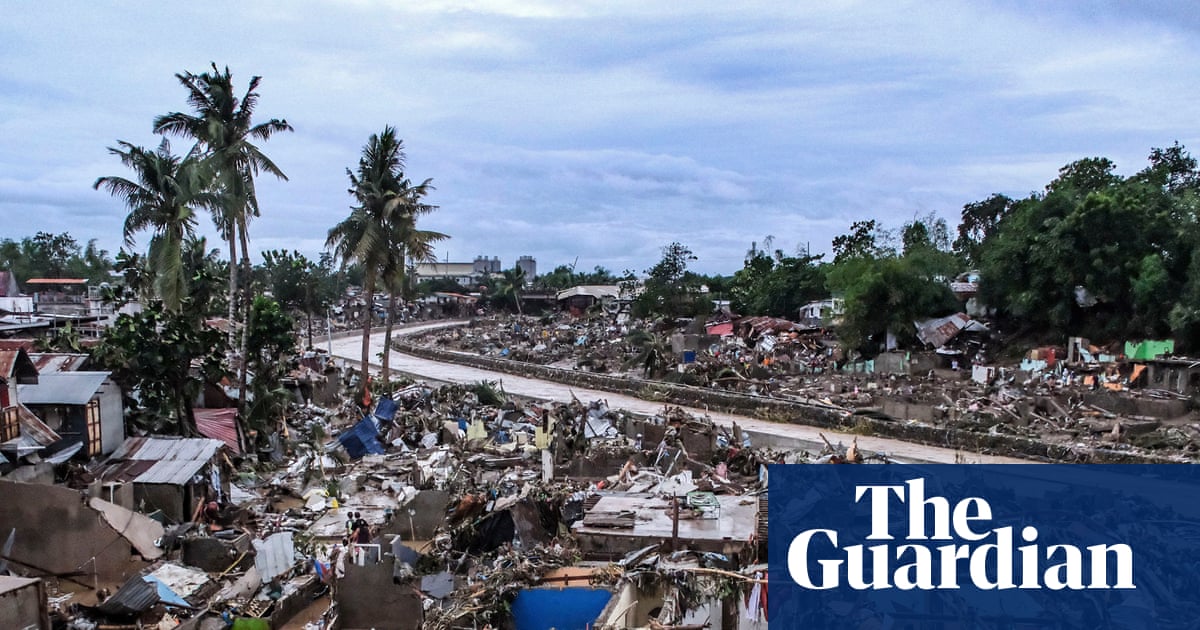
At least 66 people have died and 26 are missing in the central Philippines following the passage of Typhoon Kalmaegi, with widespread flooding causing devastation in a region already reeling from a recent earthquake.
Most of the fatalities were reported in Cebu province, which bore the brunt of the typhoon yesterday, triggering flash floods and causing rivers to overflow. Residents were forced to seek refuge on rooftops as floodwaters engulfed communities, according to officials. The Philippine Red Cross responded to numerous calls for rescue, with Secretary-General Gwendolyn Pang noting that rescue operations were hampered until floodwaters receded to ensure the safety of emergency personnel. A separate tragedy occurred in Agusan del Sur province, where a Philippine air force helicopter crashed Tuesday while en route to deliver humanitarian aid, resulting in six additional deaths; the cause of the crash remains under investigation.
Kalmaegi, with sustained winds of up to 130 kph (81 mph) and gusts reaching 180 kph (112 mph), moved away from Palawan province into the South China Sea earlier today. The province of Cebu has declared a state of calamity to expedite the release of emergency funds. This disaster compounds the challenges faced by the region, which is still recovering from a 6.9 magnitude earthquake on September 30th that claimed at least 79 lives and displaced thousands. The Philippines is particularly vulnerable to natural disasters due to its location along the Pacific Ring of Fire and frequent exposure to typhoons.
More than 387,000 people had evacuated to safer locations before the typhoon made landfall, and authorities had warned of torrential rainfall, destructive winds, and potential storm surges. Over 3,500 passengers and cargo truck drivers were stranded at nearly 100 seaports as ferries and fishing boats were prohibited from sailing, and at least 186 domestic flights were cancelled. Officials are continuing search and rescue operations and assessing the full extent of the damage, while also working to provide aid to affected communities.
