
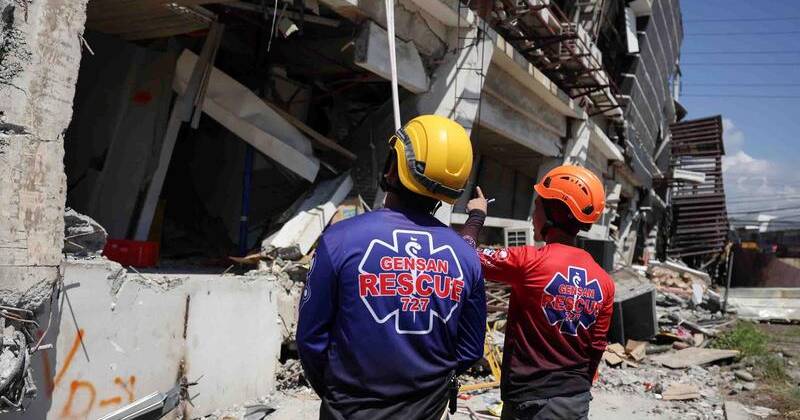
A magnitude-7.8 earthquake struck off the coast of the southern Philippine island of Mindanao on the morning of June 9, 2026, killing at least 37 people and displacing over 32,000 residents. The powerful tremor, which caused widespread infrastructure damage and landslides, triggered tsunami fears and forced the closure of schools on their first day of term.
The Scope of Destruction in Mindanao and General Santos
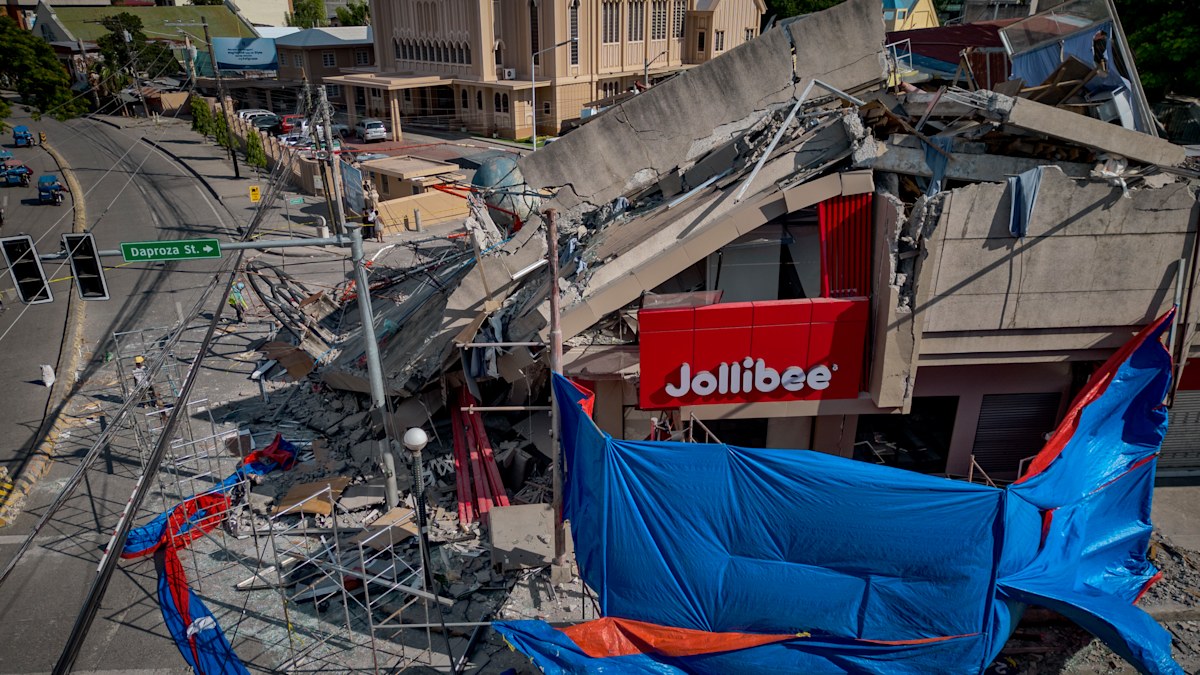
The earthquake, which occurred at 7:37 a.m. local time, centered 33 kilometers deep and roughly 32 kilometers southwest of Maasim town in Sarangani province. The impact was most severe in coastal regions, particularly the city of General Santos, where at least 13 people died amid building collapses and falling debris, according to reports covered by Nine.com.au.
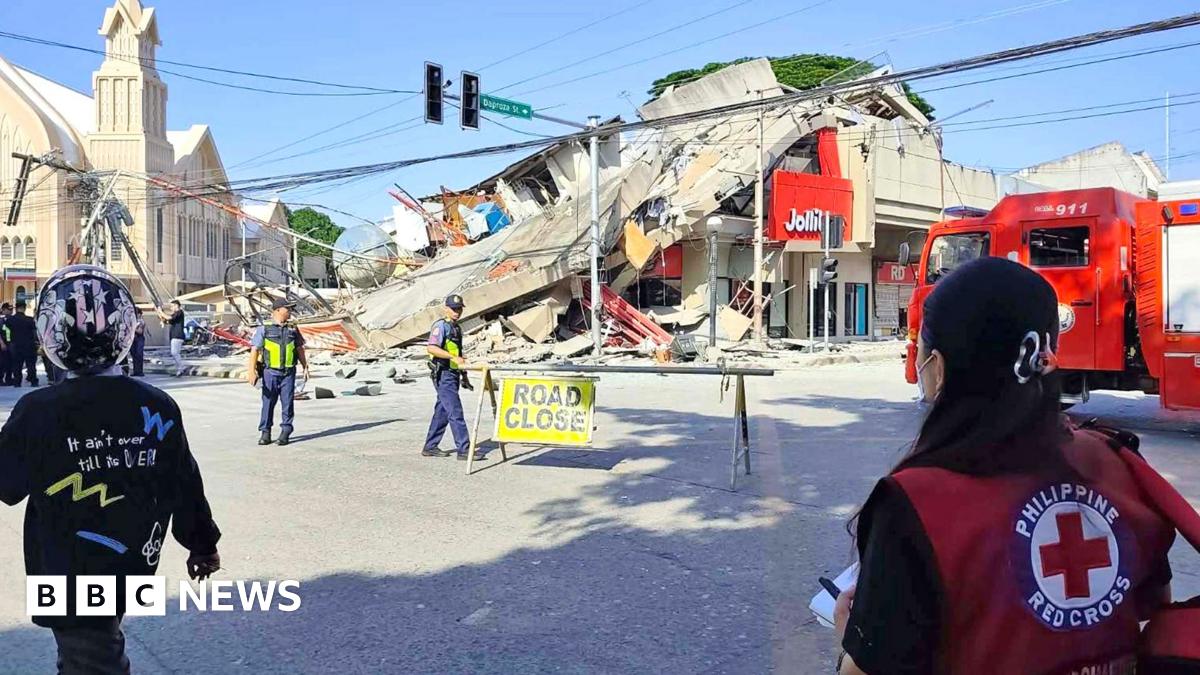
Across the region, the official death toll reached 37 by Tuesday, with at least 18 fatalities reported in Sarangani province alone, largely attributed to a massive landslide that buried homes in the mountainside town of Glan. The Office of Civil Defence noted that while only four individuals were officially listed as missing, the search for survivors remains a priority as crews inspect heavily damaged structures. The geography of the region, characterized by steep terrain and densely populated coastal plains, has complicated the deployment of heavy machinery required to clear arterial roads blocked by debris.
“Most of the buildings are heavily devastated, there are so many collapsed buildings,” Commodore Noemie Cayabyab told the ABC. “The rescue teams mostly are conducting rescue operations … there are some possible trapped individuals.”
Infrastructure Collapse and Humanitarian Challenges
Recovery efforts are currently hampered by broken lifelines. Communities across the affected provinces have reported a total loss of electricity and internet connectivity, making coordination difficult for rescue teams. Roads and bridges sustained significant damage, isolating some families in remote areas and preventing aid from reaching those in need. The Philippine government’s Department of Public Works and Highways has mobilized engineering brigades to assess the integrity of key transport corridors, though the frequency of aftershocks has forced temporary work stoppages to ensure the safety of personnel.
The displacement crisis is escalating, with World Vision Philippines reporting that existing evacuation centers are overwhelmed, leaving many families—including young children—to shelter in outdoor tents. Faisah Ali of Save the Children Philippines warned that the official displacement figure of 32,000 is likely to rise as assessments continue. The logistical challenge is compounded by the pre-existing vulnerability of the region, where many housing structures are not engineered to withstand seismic activity of this intensity.
“There are also reports of landslides and damaged roads, so some families are currently isolated and they are asking for immediate support from the government and other actors to be able to restore back lifeline services,” Ms Ali said.
School Closures and the Trauma of a New Term
The timing of the disaster added a layer of psychological strain, as the quake hit on the first day of the school year following a two-month summer break. Thousands of students who had gathered for morning flag-raising ceremonies were forced to flee for safety. The Department of Education has suspended classes indefinitely in the provinces of Sarangani, South Cotabato, and Sultan Kudarat to allow for structural inspections.
According to The Canberra Times, Rafaelito Alejandro of the Office of Civil Defence confirmed that approximately 6,000 public school buildings now require structural integrity assessments before classes can resume. Authorities have emphasized that they will not risk student safety by reopening facilities that sustained cracks, especially given the ongoing threat of powerful aftershocks. The disruption to the academic calendar is expected to have long-term implications for students, many of whom were already contending with educational recovery efforts following previous weather-related disturbances in the region.
Historical Context and Tsunami Response
Seismologists have identified the Cotabato Trench as the source of the movement, marking this as the strongest earthquake to hit the Philippines since 1976. Teresito Bacolcol, director of the Philippine Institute of Volcanology and Seismology (PHIVOLCS), noted that the 1976 event was an 8.1-magnitude quake that triggered massive tsunami waves, resulting in approximately 8,000 deaths. The Philippines, situated along the Pacific “Ring of Fire,” is one of the world’s most seismically active nations, with the archipelago experiencing frequent tremors due to the interaction of major tectonic plates.
While Monday’s event prompted widespread fear of a similar tsunami, the impact was limited. Waves of up to 1.4 meters were recorded, with minimal damage reported to coastal infrastructure. PHIVOLCS issued an immediate tsunami alert following the tremor, which triggered mass evacuations from coastal communities in General Santos and Sarangani. While the alert was downgraded as the threat subsided, the fear remains palpable among residents.
In the immediate aftermath, the General Santos international airport was forced to suspend operations, canceling 63 domestic flights to prioritize humanitarian aid missions. The facility serves as a vital hub for disaster relief, and its closure has necessitated the redirection of aid flights to alternate regional airstrips. As of Wednesday, the focus remains on search and retrieval operations, with authorities urging the public to avoid re-entering damaged buildings. The scale of the response has involved coordination between local government units, the Philippine National Police, and the Armed Forces of the Philippines, who are leading the efforts to reach isolated communities in the interior provinces.
Find more reporting in our World section.
