
North Dakota Fisheries Biologists Assess Young Fish Survival Rates
North Dakota Game and Fish Department fisheries biologists completed fall surveys yesterday to evaluate the success of fish stocking and natural reproduction in the state’s fisheries, a crucial step in maintaining healthy fish populations for recreational angling.
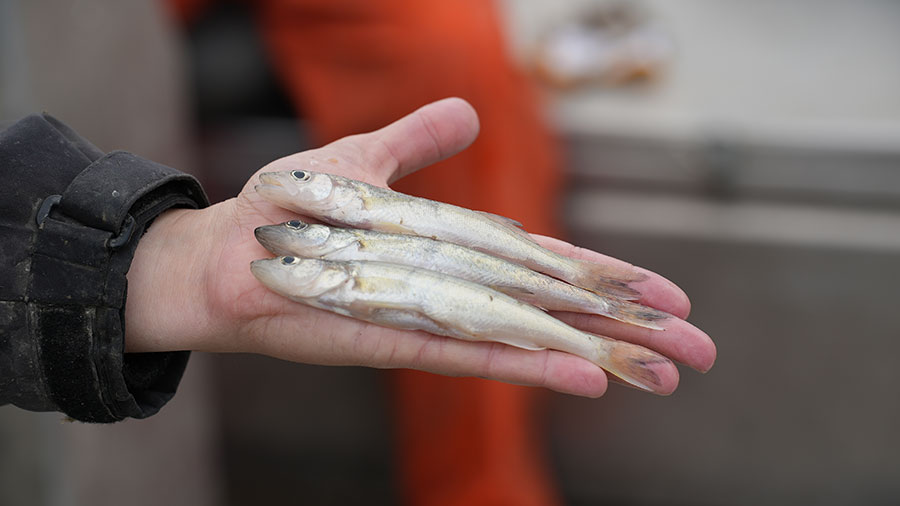
The annual surveys, conducted with various nets, focus on “young-of-the-year” fish to gauge survival rates before the challenging winter months. According to Scott Gangl, Department fisheries management section leader, “In fall when we net these young-of-the-year fish, we know if we had good reproduction or poor reproduction…giving us an idea of what’s in the fishery now.” The department manages approximately 450 fisheries across the state, prioritizing larger and more frequently used bodies of water like Devils Lake, lakes Oahe and Sakakawea, and the Missouri River System for consistent monitoring. Understanding these early survival rates is vital for long-term fisheries management.
This year’s results from district lakes were described as average to above average overall, though conditions varied significantly from lake to lake. Biologists noted particularly strong natural reproduction of yellow perch in some areas, which, while generally positive, can lead to overcrowding and smaller fish sizes if it occurs in consecutive years. Gangl explained, “We don’t always need natural reproduction every year…If you have too many back-to-back year-classes, it results in too many smaller fish out there.” For more information on North Dakota’s fisheries, visit the North Dakota Game and Fish Department website. Similar monitoring programs are used nationwide by state agencies, as detailed by the National Oceanic and Atmospheric Administration.
Biologists will continue to monitor fish populations through the winter and into the next spawning season, using the fall survey data to inform future stocking and management decisions.
