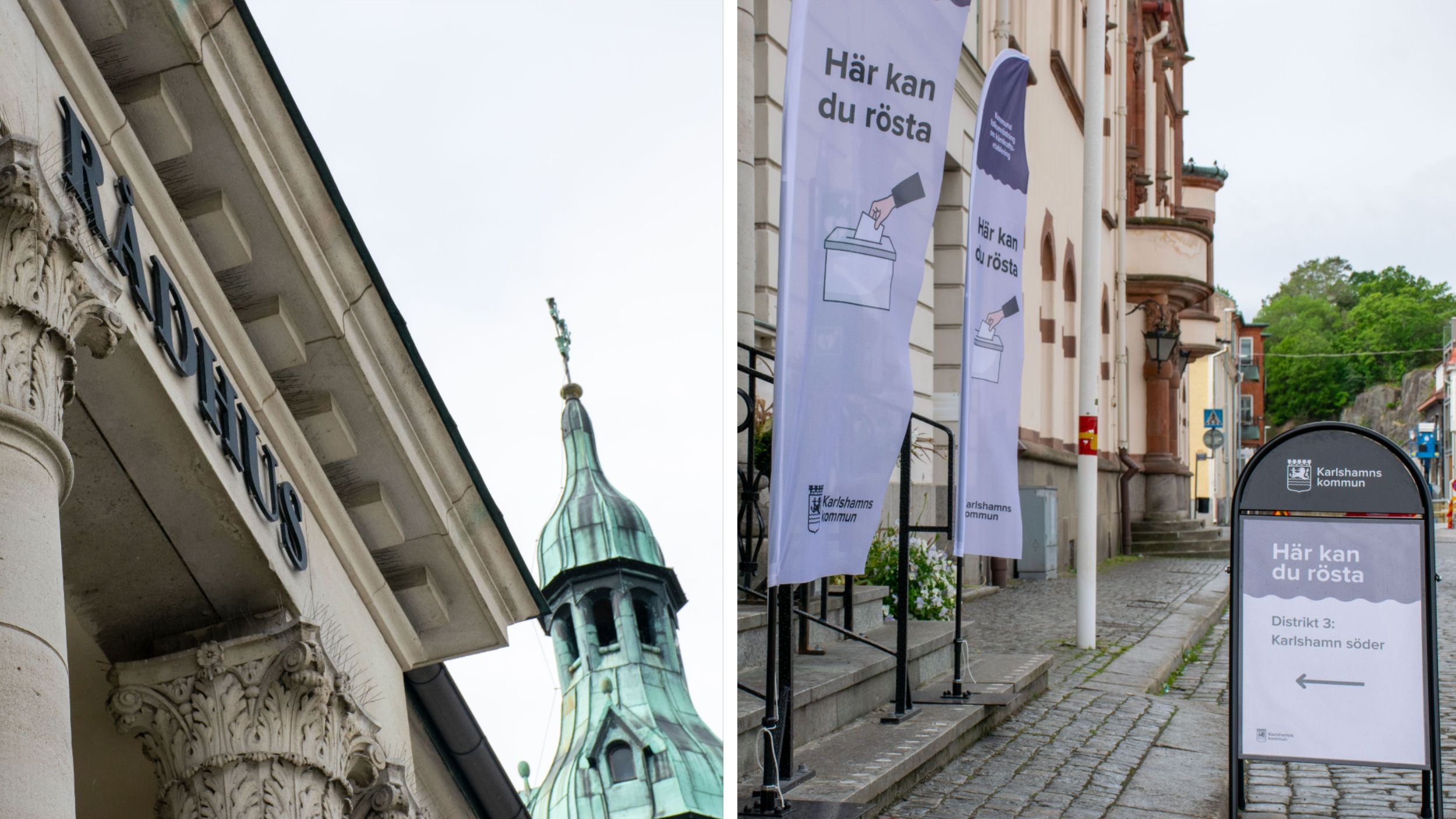
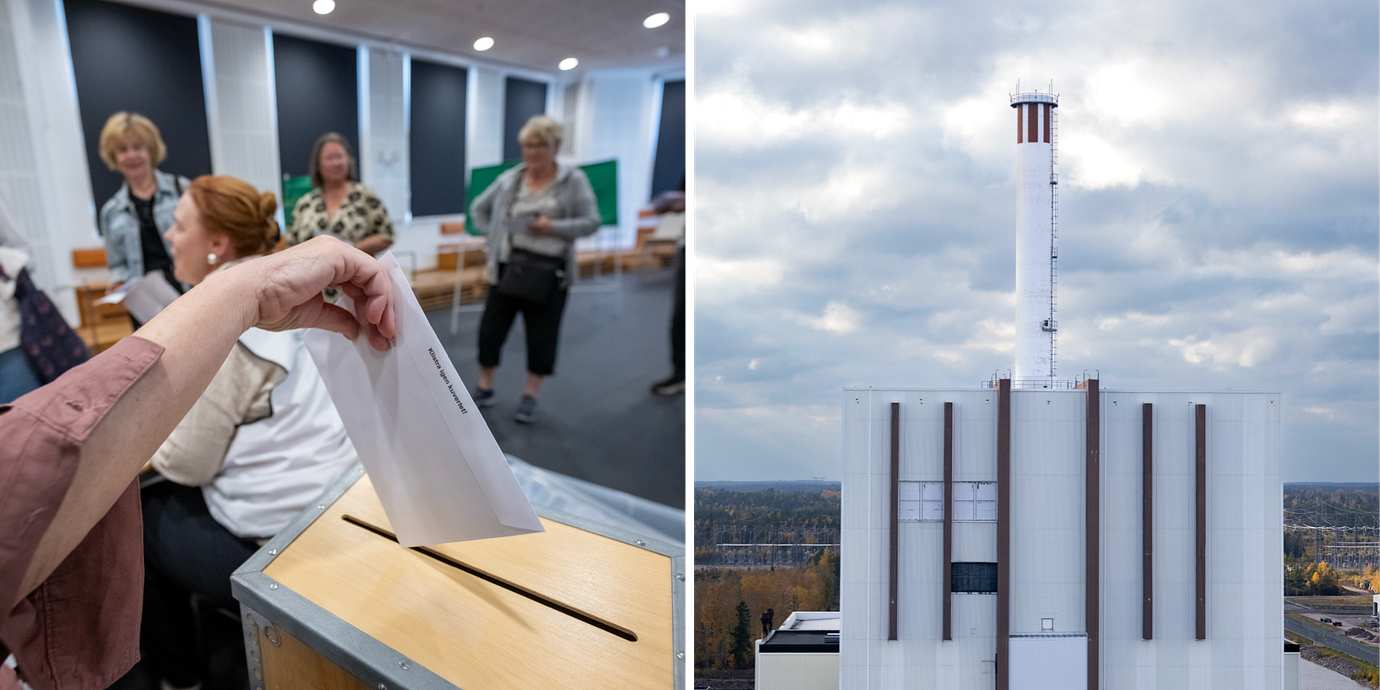
Voters in the Swedish municipality of Karlshamn have rejected the construction of new nuclear power reactors in a municipal referendum held Sunday, June 14, 2026. The final tally showed 60.9% of voters opposed to the proposal, while 37.0% voted in favor, marking the first time a Swedish municipality has held a referendum on nuclear energy.
Referendum Results and Voter Participation
The outcome of the vote was decisive, with the “no” side securing a majority in all nine of the municipality’s electoral districts. According to SVT, the final count established that 60.9% of participants opposed nuclear expansion, compared to 37.0% who supported it.
Photo: Omni
Participation in the advisory vote reached 48.4%. Election officials noted that 21.6% of the electorate had cast their ballots during the advance voting period. While the referendum was the first of its kind regarding nuclear power at the municipal level in Sweden, as reported by Omni, its results are not legally binding. The vote serves as a guide for local politicians as they navigate future energy planning.
In the Swedish democratic system, municipal referendums are classified as “advisory,” meaning the local municipal council is not strictly compelled by law to follow the result. However, the political weight of such a clear margin—nearly 24 percentage points—places significant pressure on local representatives to align their policy decisions with the expressed will of the constituency. This mechanism is designed to provide a direct pulse on local sentiment for issues that carry long-term environmental and economic consequences for a specific geographic area.
Political Reactions to the Outcome
Local political leaders have signaled their intent to respect the public’s decision. Magnus Gärdebring (M), chairman of the municipal board, acknowledged the result despite his own preference for the project.
Resultatet är något jag inte hade hoppats, men vi kommer att följa det. Ur mitt perspektiv har oppositionen tagit på sig ett oerhört stort ansvar för framtiden. De måste ge sin bild över vad de ser istället för Karlshamn.
Photo: Aftonbladet
Magnus Gärdebring (M), kommunstyrelsens ordförande
On the opposing side, Ida Lapell (S), the opposition councilor, expressed satisfaction with the process and the result. As Aftonbladet reported, Lapell emphasized that the primary goal for her party was ensuring a democratic process where residents could voice their opinions on the matter.
The political divide in Karlshamn reflects the broader national discourse regarding Sweden’s energy transition. The ruling coalition, while disappointed, has publicly committed to the democratic process, underscoring the importance of public legitimacy when siting large-scale infrastructure projects. By framing the “no” vote as a responsibility for the opposition to provide a viable alternative energy roadmap, Gärdebring is pivoting the conversation toward the practical challenges of meeting future power demands without the inclusion of nuclear energy.
Background and Local Energy Debates
The referendum was prompted by interest from the company Kärnfull Next in constructing reactors within the municipality. The issue created a divide between the ruling coalition—consisting of the Moderate Party (M), the Sweden Democrats (SD), and the Christian Democrats (KD)—and the opposition parties, which include the Social Democrats (S), the Left Party (V), the Centre Party (C), and the Green Party (MP).
Japanese public rejects nuclear power
Supporters of the project, including Gärdebring, argued that nuclear power was essential for the green transition and reducing dependency on fossil fuels. Conversely, the opposition advocated for alternative energy sources. Lapell noted that the municipality had been identified as a suitable location for offshore wind power, a path she argued was faster and more cost-effective than nuclear development.
The debate also highlighted broader tensions in Swedish energy policy. According to ETC, research suggests that while many Swedes support nuclear power on a national level, that enthusiasm often wanes when projects are proposed for their own home municipalities. The decision in Karlshamn is expected to be closely watched by analysts, though experts like Sören Holmberg of the University of Gothenburg have pointed out that the impact on national election campaigns may be limited if voter turnout and margins remain modest.
The “NIMBY” (Not In My Backyard) phenomenon, often observed in infrastructure siting, appears to be a factor in these debates. Nuclear projects involve complex regulatory and safety assessments, and the presence of a nuclear facility fundamentally changes the long-term land-use planning and risk profile of a municipality. Consequently, the local debate in Karlshamn focused not only on the abstract merits of nuclear energy but also on the specific impacts of construction, waste management, and the alteration of the local landscape.
Future Implications for Karlshamn
While the vote concludes the immediate referendum process, the formal determination of the result is scheduled for Wednesday, June 17, 2026. Because the referendum is advisory, the municipal board holds the final authority on how to proceed regarding any future energy applications.
The local focus now shifts to how the municipality will meet future energy needs without the proposed nuclear reactors. As the debate moves forward, the Blekinge Läns Tidning archives indicate that the issue has been a significant driver of local political discourse, with a large portion of the population reporting that the energy question would influence their voting behavior in the upcoming national elections.
The outcome in Karlshamn serves as a case study for municipal energy governance in Sweden. With the national government aiming for a significant expansion of electricity production to support industrial electrification and climate targets, the tension between central policy goals and local autonomy is likely to intensify. Municipalities are often the final gatekeepers in the permitting process, and the Karlshamn vote demonstrates that even when a national consensus on energy technology shifts toward expansion, the local democratic process remains a significant hurdle for developers and policymakers alike.
ail: emily.johnson@headlinez.news
Bio:
Emily Johnson serves as News Editor at Headlinez.News, overseeing the publication’s coverage of national and breaking stories. She has worked in journalism for more than 12 years, building a reputation for precision, credibility, and rapid-response reporting. Emily’s editorial philosophy focuses on clear, fact-based writing that helps readers understand the full context behind the day’s most important events. Her expertise bridges traditional reporting and modern digital news strategies.
Expertise: Breaking news, political reporting, fact-checking, newsroom coordination, public affairs.
Location: Washington, D.C., USA