
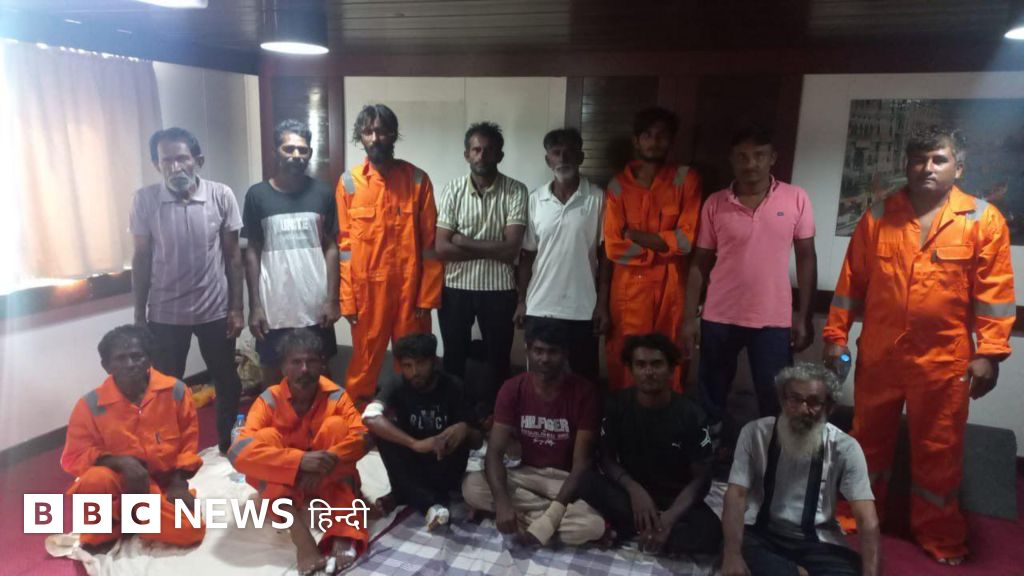
All 14 Indian crew members of the mechanized sailing vessel Virat-1 were rescued on June 14, 2026, after the ship suffered an engine failure and began to sink off the coast of Oman. The rescue was coordinated by the Indian Embassy in Muscat alongside Omani authorities and the U.S. Navy. The incident underscores the complex logistical challenges of maritime safety in the Arabian Sea, a critical corridor for international trade and regional transit.
Rescue Operation and Vessel Status
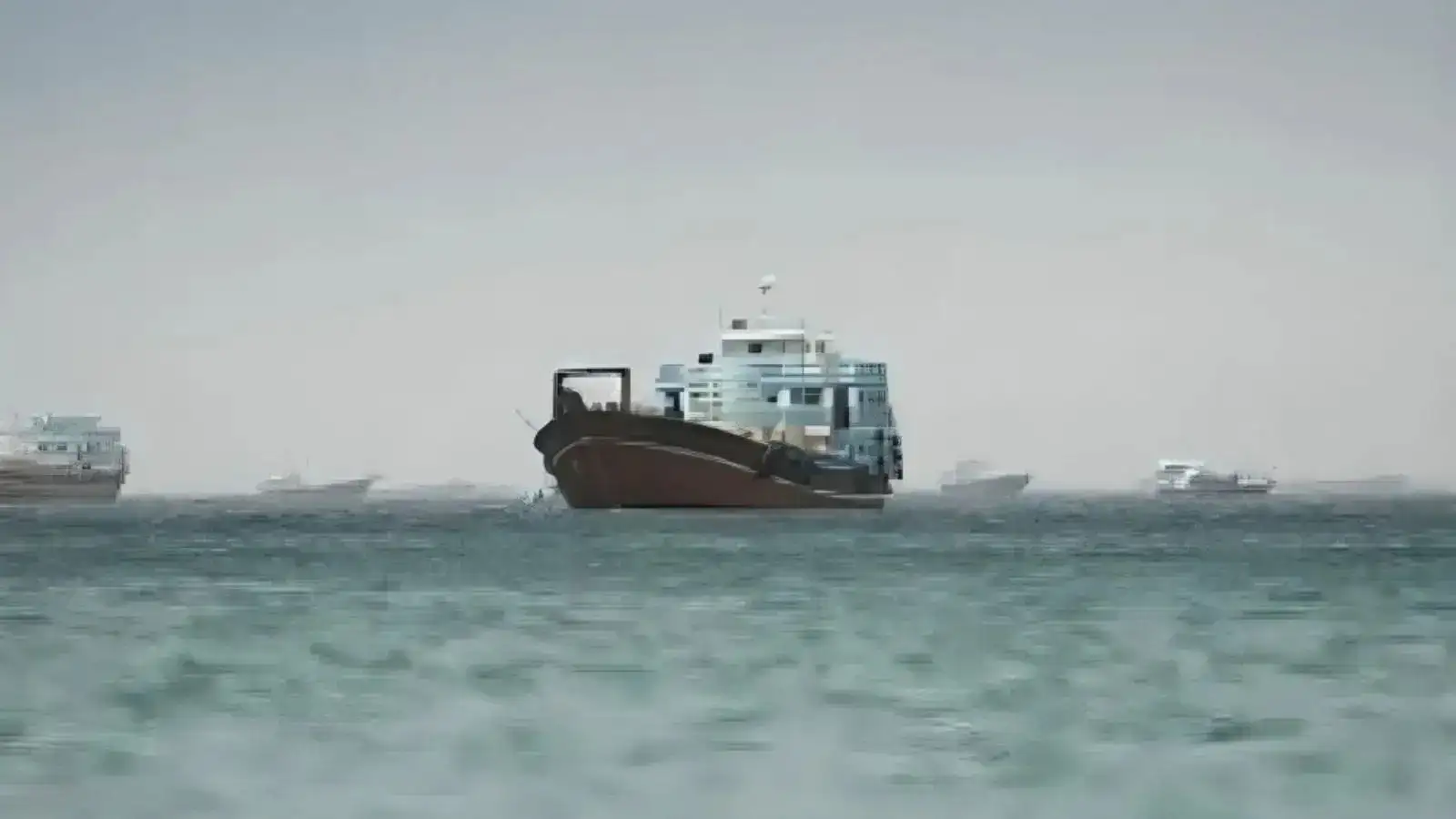
The maritime incident occurred approximately 80 nautical miles east of Ras Al Hadd, Oman. According to AajTak, the vessel, identified as a traditional dhow, experienced a critical engine failure that left it uncontrollable in the water. As the ship began taking on water, the crew was forced to abandon the vessel and board a life raft. The use of dhows—traditional wooden sailing vessels—remains common in regional trade, though these vessels often face unique challenges when navigating in heavy sea states or experiencing mechanical degradation.
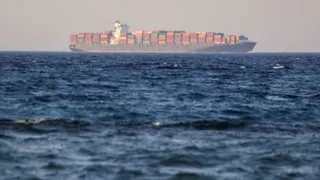
The Indian Embassy in Muscat confirmed the safety of all 14 crew members on X (formerly Twitter), noting that they were successfully transferred to the merchant vessel MV Jabal Ali 9. The crew is currently en route to Mumbai. While some early media reports suggested the ship had completely submerged, the BBC reported that the embassy did not officially confirm the total sinking of the vessel, though other sources, including Navbharat Times, stated the ship eventually sank after water ingress. The transition from the distressed vessel to the MV Jabal Ali 9 represents a standard, yet high-stakes, maritime search and rescue (SAR) procedure where nearby commercial vessels are diverted to act as first responders under the International Convention for the Safety of Life at Sea (SOLAS).
International Coordination and Response
The rescue involved a multi-national effort. After receiving reports of the distress call, the U.S. Navy deployed a P-8 maritime patrol aircraft to the scene. According to reporting by Jagran, the aircraft dropped a life raft to the crew and monitored the situation from the air while coordinating with regional authorities. The P-8, an advanced long-range anti-submarine and maritime surveillance aircraft, is frequently utilized in the region for its ability to conduct rapid search patterns over vast maritime zones.
For more on this story, see US Strikes Iranian Tanker in Gulf, Kills 3 Indian Crew.
The commercial vessel MV Jabal Ali 9, which flies the flag of Saint Kitts and Nevis, served as the primary recovery platform. ABP News highlighted that the ship was already in the vicinity, traveling from Sohar toward Mumbai, when it was diverted to assist by the U.S. Navy. The coordination underscores the strategic sensitivity of the waters near the Strait of Hormuz, an area currently seeing heightened security concerns and increased commercial traffic disruptions. In such incidents, the role of regional maritime coordination centers is vital, as they facilitate communication between military assets and civilian merchant fleets that may be operating under different jurisdictional flags.
Maritime Protocols and Regional Context
The rescue of the Virat-1 crew highlights the inherent risks faced by small-scale maritime operators in the Indian Ocean. When a vessel experiences a catastrophic mechanical failure far from shore, the primary challenge is maintaining communication and position until assets arrive. Under maritime law, the master of a nearby vessel is obligated to provide assistance to those in distress at sea, provided that the assistance can be rendered without serious danger to the ship and its own crew. The cooperation between the U.S. Navy, Omani authorities, and the Indian Embassy exemplifies the standard operating procedure for international maritime distress, where regional powers often pool resources to ensure the safety of civilian mariners.
Concurrent Maritime Incidents
The rescue of the Virat-1 crew comes during a period of volatility in the Gulf region. Reports indicate that this incident is separate from other recent maritime tragedies in the same area. The Indian Embassy in Muscat separately confirmed the death of an Indian national, Nishant Uirtanathan, who passed away due to medical complications. His remains are currently being held on the MT Celestial, which is docked at a port in Duqm. The presence of multiple Indian nationals in separate maritime crises simultaneously has placed additional pressure on the Indian diplomatic mission in Oman, which is tasked with providing consular support and coordinating the repatriation of citizens.
The safety of the Virat-1 crew provides a rare positive outcome in a region where tensions have recently impacted civilian shipping. As of June 14, 2026, authorities have not cited a specific cause for the engine failure on the Virat-1, and investigations into the loss of the vessel remain pending. The focus now shifts to the debriefing of the 14 rescued crew members and the logistical process of returning them to their home ports in India once they arrive in Mumbai.
Find more reporting in our News section.
