
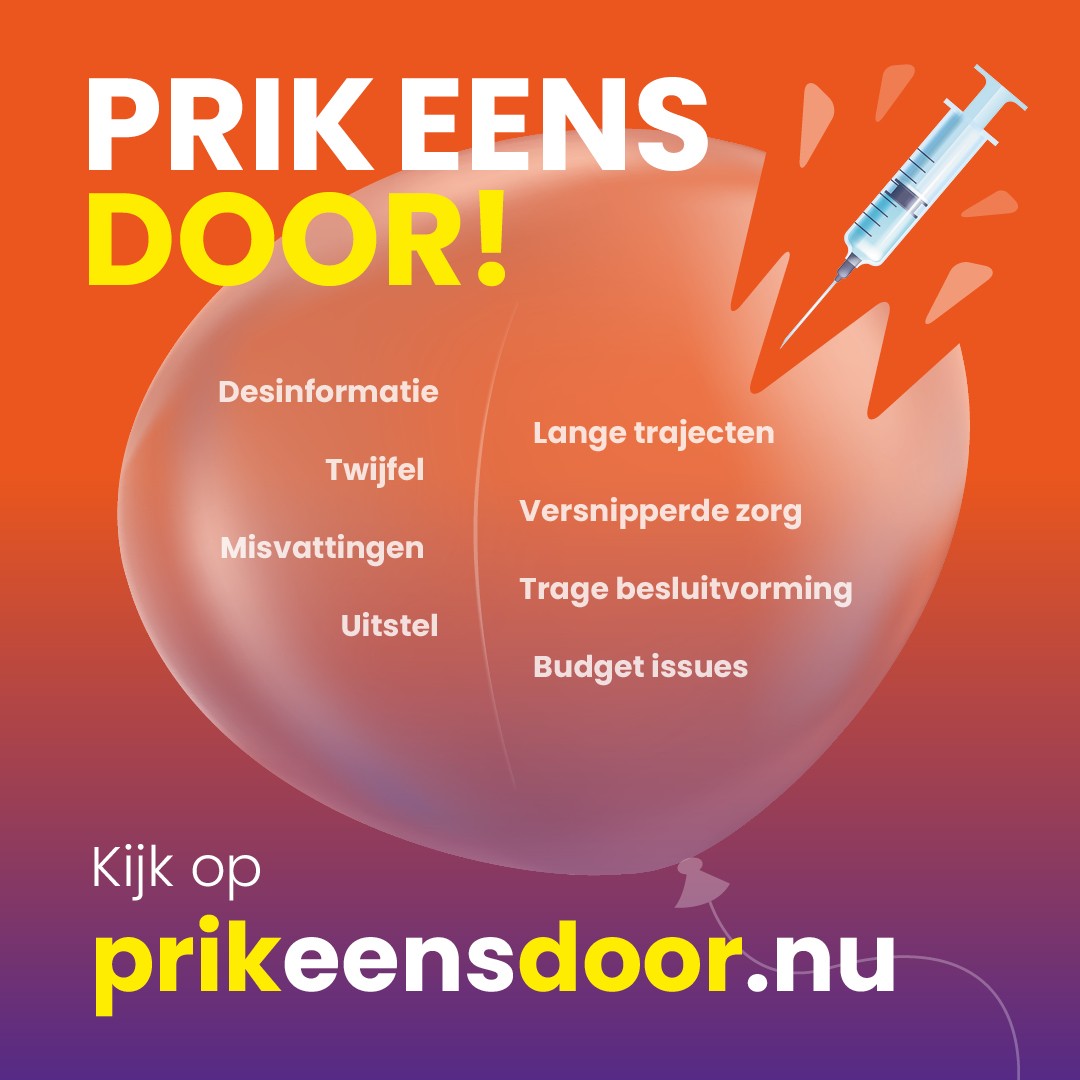
While childhood vaccination rates in the Netherlands remain strong, a growing number of Dutch adults are missing out on critical immunizations—leaving them unnecessarily vulnerable to preventable diseases. Health experts warn that systemic delays, fragmented communication, and persistent misinformation are creating dangerous gaps in protection for older adults and those with underlying health conditions.
Adult Vaccination Rates Lag Behind Childhood Programs
In the Netherlands, children receive routine immunizations against 13 infectious diseases through a well-established national program. Yet for adults, the picture is far less consistent. Unlike the streamlined childhood vaccination schedule, adult immunizations are often disorganized, with multiple healthcare providers sending separate—and sometimes conflicting—reminders. This confusion, combined with vaccine hesitancy fueled by misinformation, has led to what experts describe as “missed opportunities” for disease prevention.
A coalition of healthcare providers, patient advocacy groups, and research institutions is now urging action through a public awareness campaign called PRIK EENS DOOR! (roughly translated as “Just Secure Vaccinated!”). Launched during European Immunization Week, the initiative aims to simplify vaccine information and empower adults to make informed decisions about their health.
The Role of Healthcare Providers in Combating Misinformation
Frontline healthcare workers—particularly nurses and caregivers—are on the front lines of this challenge. Jaap Kappert, a board member of the Dutch professional association Verpleegkundigen & Verzorgenden Nederland (V&VN), emphasizes that misinformation is a major barrier. “Nurses and caregivers see firsthand how confusion and doubt lead people to delay or skip vaccinations,” he said. “We need better coordination among providers and clearer, centralized information so patients can make confident choices.”
The consequences of these delays extend beyond individual health. Public health officials note that low adult vaccination rates can strain healthcare systems, particularly during outbreaks of diseases like influenza, pneumococcal infections, or shingles—all of which disproportionately affect older adults. While the Netherlands has made progress in expanding vaccine access for seniors and high-risk groups, implementation remains gradual and inconsistent across regions.
Why the System Struggles to Maintain Up
Several factors contribute to the lag in adult vaccinations:
- Fragmented Communication: Unlike the centralized childhood vaccination program, adult immunizations are managed by multiple providers, leading to overlapping or missed reminders.
- Misinformation: Social media and online forums have amplified vaccine skepticism, making some adults hesitant to seek out recommended shots.
- Slow Policy Implementation: Even when new vaccines are approved for adults, rollout can seize years due to bureaucratic hurdles.
- Lack of Awareness: Many adults simply don’t realize they need booster shots or vaccines for conditions like HPV, shingles, or travel-related illnesses.
Experts argue that these challenges are not unique to the Netherlands. Countries worldwide grapple with similar issues as vaccine-preventable diseases resurge in unvaccinated populations. The World Health Organization has repeatedly stressed that adult immunization is a critical component of healthy aging, yet global progress remains uneven.
What’s Next for Adult Vaccination Efforts?
The PRIK EENS DOOR! campaign is pushing for several key changes, including:
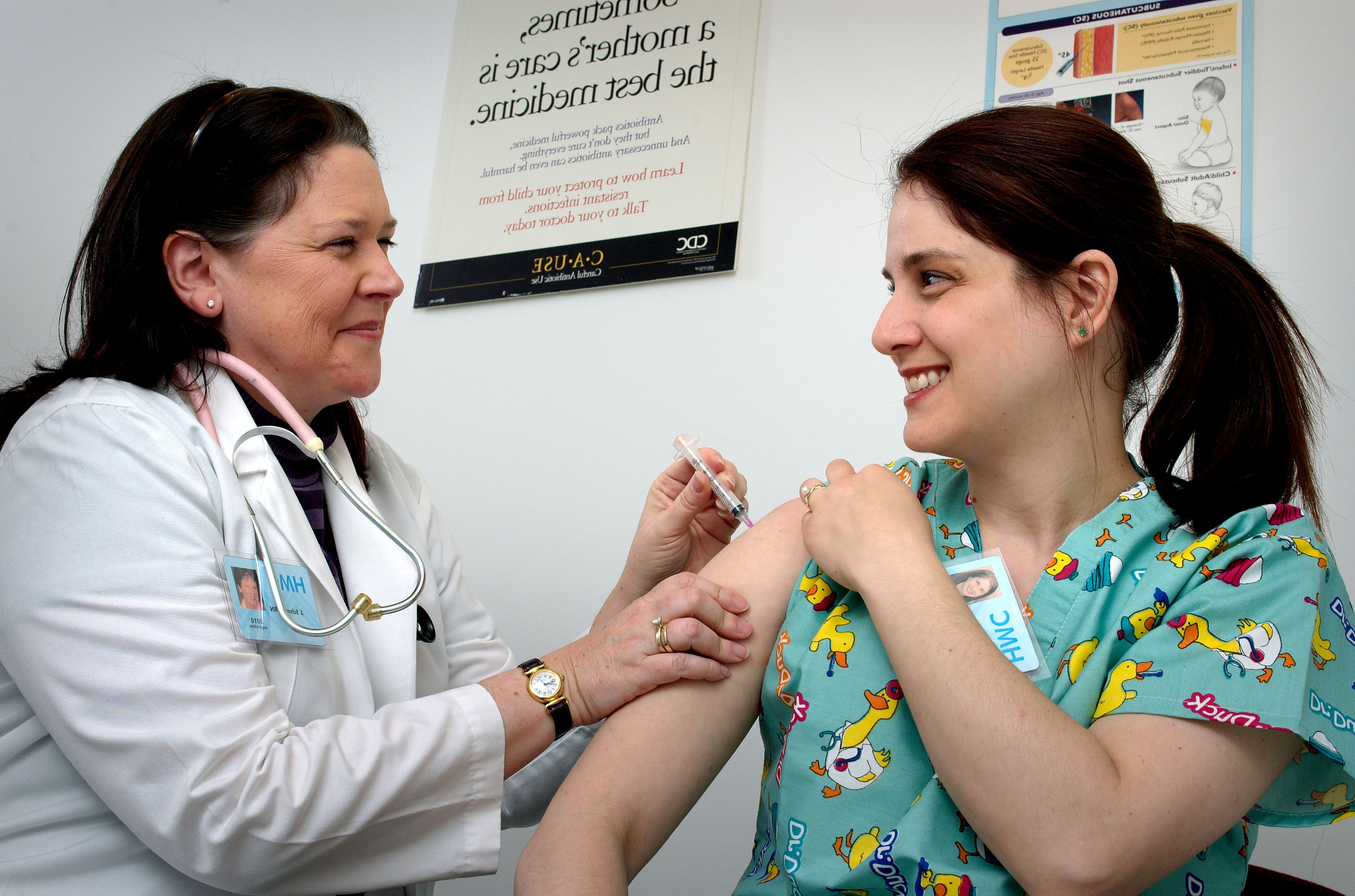
- A unified national database to track adult vaccinations and send timely reminders.
- Expanded training for healthcare providers to address patient concerns about vaccine safety and efficacy.
- Clearer public messaging to counter misinformation and highlight the benefits of vaccination.
“Vaccines don’t just protect individuals—they protect entire communities,” Kappert noted. “When adults stay up to date, they help shield those who can’t be vaccinated, like people with compromised immune systems. It’s a shared responsibility.”
For now, the campaign’s message is simple: Don’t assume you’re fully protected. Check with your healthcare provider to see which vaccines you might need, whether it’s a flu shot, a tetanus booster, or a newer immunization like the RSV vaccine for older adults. In an era of rising vaccine-preventable diseases, experts say, prevention starts with a single conversation.
For more information on recommended vaccines for adults, visit the Dutch National Immunization Program.
