

Archaeological discoveries near Grudziądz, Poland, have yielded hundreds of historical artifacts, some dating back over two thousand years. As of Monday, May 18, 2026, metal detectorists are actively working the fields in the region to recover these remnants, which provide significant new insights into the area’s long-standing human history and settlement patterns.
Significant Archaeological Finds Near Grudziądz
The fields surrounding the city of Grudziądz, located in northern Poland, have become the site of a notable archaeological recovery effort. Reports from Monday, May 18, 2026, confirm that local enthusiasts utilizing metal detectors have successfully unearthed a vast collection of historical items. The recovered cache includes objects that experts estimate to be more than two thousand years old, highlighting the deep historical footprint of the Vistula River region.
The operation, which has drawn attention for the sheer volume of items retrieved, involves members of local historical associations. These individuals are systematically scanning agricultural land, leading to the discovery of what has been described as hundreds of individual pieces. The collection represents a wide temporal range, with specific artifacts tracing back to antiquity.
The current recovery effort is characterized by a high degree of collaboration between volunteer metal detectorists and the formal archaeological community. By focusing their efforts on the fertile, sediment-rich soil surrounding the Vistula basin, these individuals have managed to secure items that might otherwise have been subject to the erosive forces of modern agriculture or environmental degradation. The coordination of these efforts ensures that the items are not merely collected, but are processed within a framework intended to preserve their historical context.
Contextualizing the Historical Landscape
The region around Grudziądz has long been recognized by historians and archaeologists for its strategic importance throughout various epochs. The current findings serve as a tangible link to the populations that inhabited the Vistula basin during the Iron Age and subsequent periods of migration. By uncovering these relics, researchers are better equipped to map the movement of trade goods and the evolution of local settlements that existed long before the modern city was established.

The artifacts recovered to date are diverse, reflecting the various social and economic activities that defined life in the region two millennia ago. Because the Vistula River historically served as a critical artery for communication and transport, the materials being recovered are expected to provide evidence of inter-regional exchange. These items, once analyzed, may clarify the extent to which local inhabitants interacted with the broader European cultural and economic spheres during the transition from the pre-Roman to the Roman era.
While the recovery process is ongoing, the focus remains on the preservation of these items and the documentation of their find spots. Precise location data is essential for archaeologists to determine whether these artifacts represent isolated losses or larger, undiscovered settlement sites. The involvement of authorized detectorists working in coordination with local heritage oversight ensures that the items are handled according to legal standards for the protection of cultural property in Poland.
Future Documentation and Preservation
As the inventory of the recovered pieces continues, the next phase involves the cleaning, categorization, and formal analysis of the artifacts. Experts are expected to examine the metallic composition and craftsmanship of the items to refine their dating and identify their origins. Such efforts are crucial for expanding the current understanding of the Vistula region’s role in wider European networks during the first millennium and beyond.
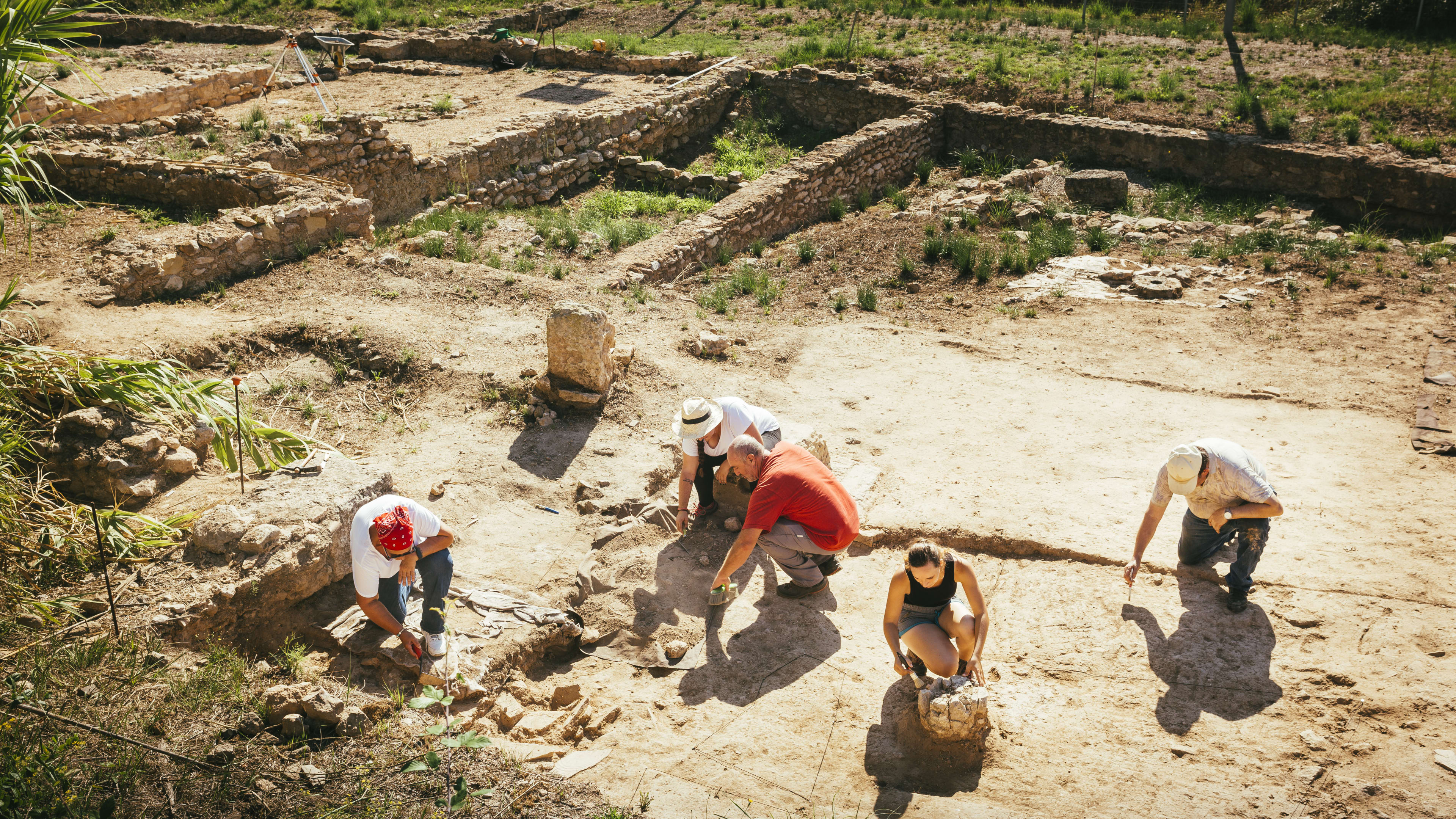
The technical process of analyzing these finds involves multiple stages. Initial cleaning is conducted with extreme caution to prevent damage to the delicate surfaces of ancient metalwork. Following this, researchers will document the physical dimensions and metallurgical properties of each piece. This systematic approach is designed to produce a comprehensive catalog that will eventually allow for a broader interpretation of the site’s significance. By comparing these finds with established typologies, archaeologists hope to gain a more precise understanding of the technological capabilities of the populations that occupied this part of Poland over two thousand years ago.
For the community in Grudziądz, the discovery offers a rare, direct connection to the distant past. It remains to be seen how many of these artifacts will eventually be transferred to regional museums for public exhibition. For now, the activity in the fields serves as a reminder of the wealth of history that remains buried just beneath the surface of the Polish landscape, waiting to be identified and cataloged by those dedicated to preserving the historical record.
The potential for future discovery remains high as the survey of the agricultural fields continues. Local authorities and heritage specialists emphasize that the ongoing work is part of a broader commitment to the stewardship of the region’s cultural heritage. By integrating the results of these recent findings into the existing archaeological record, Grudziądz continues to solidify its role as a key location for understanding the deep historical roots of the Vistula basin.
