
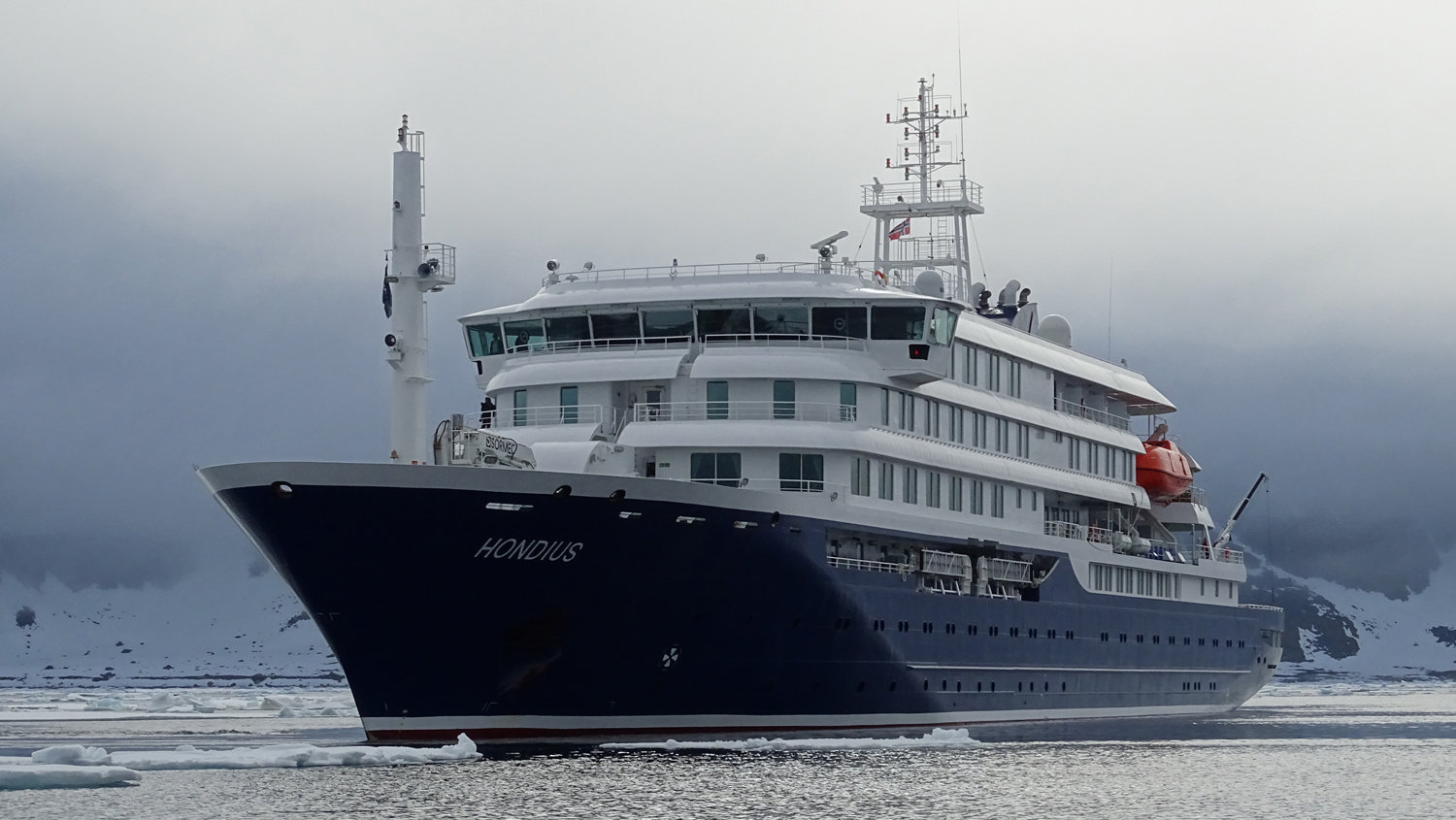
The vessel Hondius departed Tenerife on May 12, 2026, following the evacuation of passengers affected by a hantavirus outbreak. The ship, currently en route to the Netherlands, carries 25 crew members, medical personnel, and the remains of a German passenger who died from the infection after the vessel was quarantined.
Evacuation and Maritime Quarantine
The Hondius concluded a complex medical operation in the Canary Islands last week, marking the end of a high-profile health crisis on board. According to reports confirmed on May 12, 2026, the ship had been anchored at the Granadilla de Abona port, where authorities facilitated the disembarkation of the final passengers and necessary medical staff.
The evacuation process involved six remaining passengers and 19 crew members, who were transported via chartered buses to Tenerife South Airport. From there, these individuals boarded two flights that arrived in the Netherlands early on the morning of May 12. Following their arrival in Eindhoven, the passengers were moved to a quarantine facility near the airport to undergo observation before any potential repatriation to Australia. The logistical coordination of this transit required synchronization between Spanish port health officials and Dutch authorities to ensure that the quarantine chain remained unbroken from the point of disembarkation in the Canary Islands to the isolation facility in the Netherlands.
Casualties and Onboard Status
The outbreak on the Hondius resulted in at least one fatality. Officials confirmed that the vessel is currently transporting the remains of a German woman who succumbed to the hantavirus infection during the journey. The presence of the deceased on board has necessitated specific maritime protocols regarding the preservation and transport of human remains in an infectious disease context, requiring specialized handling by the medical personnel currently stationed on the vessel.
For more on this story, see Hanta Virus Outbreak: Quarantine Measures on Cruise Ship “Hondius” and Health Risks Compared to COVID-19.
The ship’s current manifest includes 25 crew members, who remain on board alongside a physician and a nurse to monitor the health situation as the vessel completes its transit to the Netherlands. The primary challenge for maritime authorities during this event was the coordination between the Spanish port authorities and the destination country to ensure that the quarantine protocols were maintained during the transit of the remaining crew. These medical professionals are tasked with daily clinical evaluations of the crew to detect any early clinical manifestations of the virus, ensuring that if any secondary cases occur, they are contained within the vessel’s isolation zones.
Context of the Hantavirus Outbreak
Hantavirus infections are typically associated with exposure to rodent excreta, though outbreaks in maritime settings necessitate stringent public health interventions to prevent transmission. The situation involving the Hondius necessitated a rapid response from Spanish health authorities to isolate the ship and provide medical assistance to the passengers, four of whom were Australian, one a British resident of Australia, and one a New Zealand national. The diversity of the passenger nationalities added a layer of international complexity to the repatriation efforts, requiring consular cooperation to manage the movement of individuals across multiple borders while under mandatory health observation.

This follows our earlier report, 67 mensen in Nederland in quarantaine om hantavirus, eerste tests negatief – RTL.nl.
As the vessel approaches its final destination in the Netherlands, the focus remains on the health status of the remaining crew. While the immediate threat to the passengers has been mitigated through the quarantine procedures in Eindhoven, the international health community continues to monitor the situation to ensure no further spread occurs among those remaining on the ship. The persistence of the quarantine status for the remaining 25 crew members reflects the incubation period associated with the virus, which requires continued monitoring even in the absence of active symptoms.
Public health authorities have emphasized that the containment strategy relies on the strict adherence to isolation protocols. Individuals who have been in contact with travelers from regions where such outbreaks have been identified are advised to monitor their health closely. Readers should note that while the passengers in the Netherlands are currently undergoing supervised observation, the status of the vessel itself remains under the jurisdiction of maritime health regulations until it reaches its final port of arrival.
Consult your healthcare provider if you have concerns regarding hantavirus symptoms, which can include fever, muscle aches, and respiratory distress, or if you have been in contact with individuals who have recently traveled from affected areas. Do not attempt to self-diagnose based on media reports; professional medical evaluation is required to determine the necessity of testing or specialized monitoring.
