
Atlantic Ocean Current Facing Potential Collapse, Threatening Global Climate Stability
A critical system of Atlantic Ocean currents, known as the Atlantic meridional overturning circulation (AMOC), may be weakening more rapidly than previously anticipated, with some projections suggesting a potential 50% decline by the year 2100. This “highly concerning” scenario highlights a significant threat to the ocean current that serves as a primary regulator for the global climate.
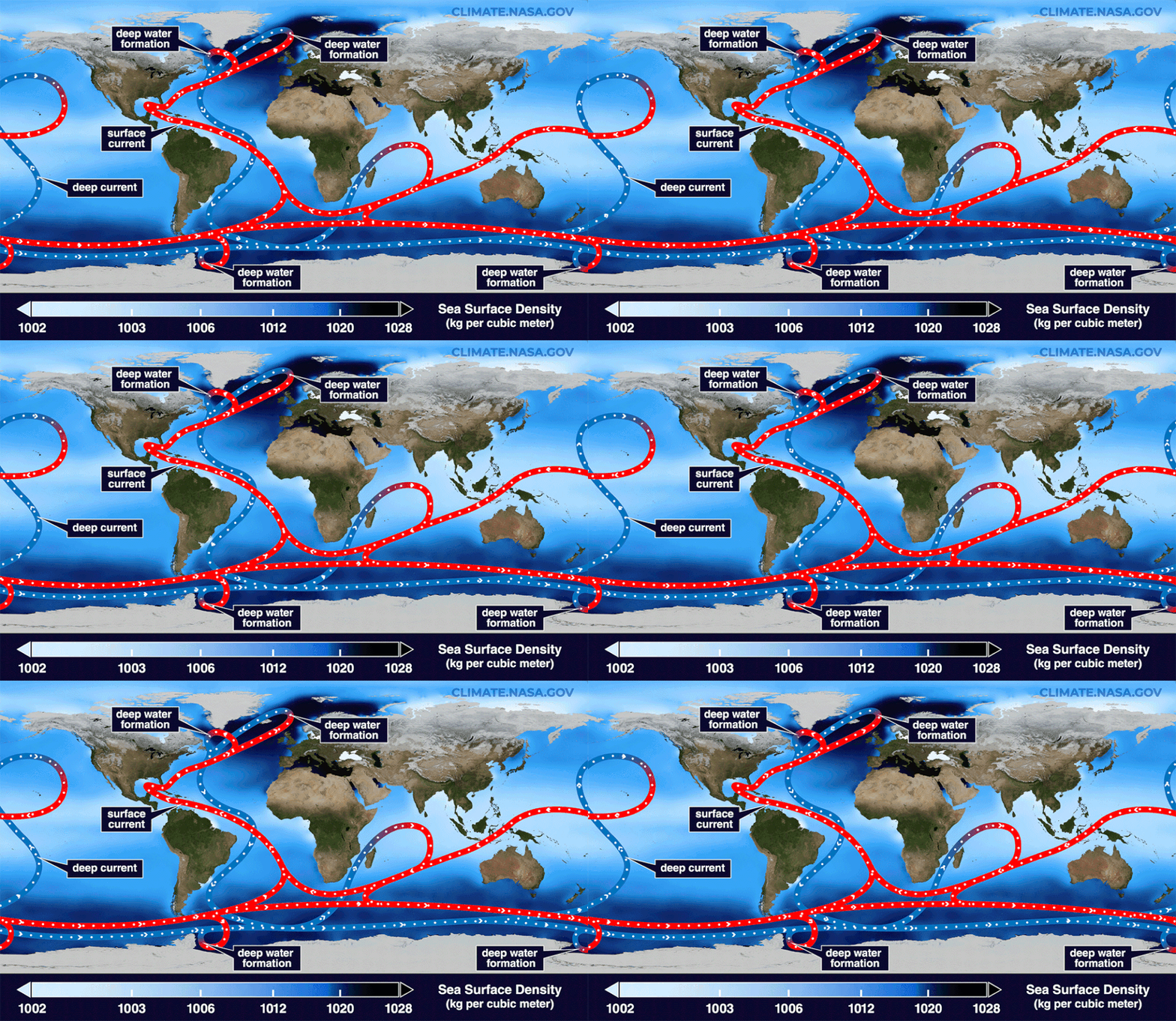
The AMOC functions as the main ocean current system in the Atlantic, acting as a vital component of Earth’s broader ocean circulation. It operates through a process driven by temperature and salinity: warm, saline water flows northward through the ocean’s upper layers. Once this water cools in northern regions, its density increases, causing it to sink into the deep ocean and flow back south. This cycle is essential for the exchange of heat, dissolved oxygen and nutrients, and allows the ocean to function as a critical carbon sink.
However, the Atlantic megacurrent is showing worrying signs of weakening. According to climate models, this decline is being driven by climate change, specifically through increased ocean heat content and elevated flows of freshwater resulting from melting ice sheets. These factors disrupt the salinity balance, effectively hindering the “motor” that allows the water to sink and maintain the circulation.
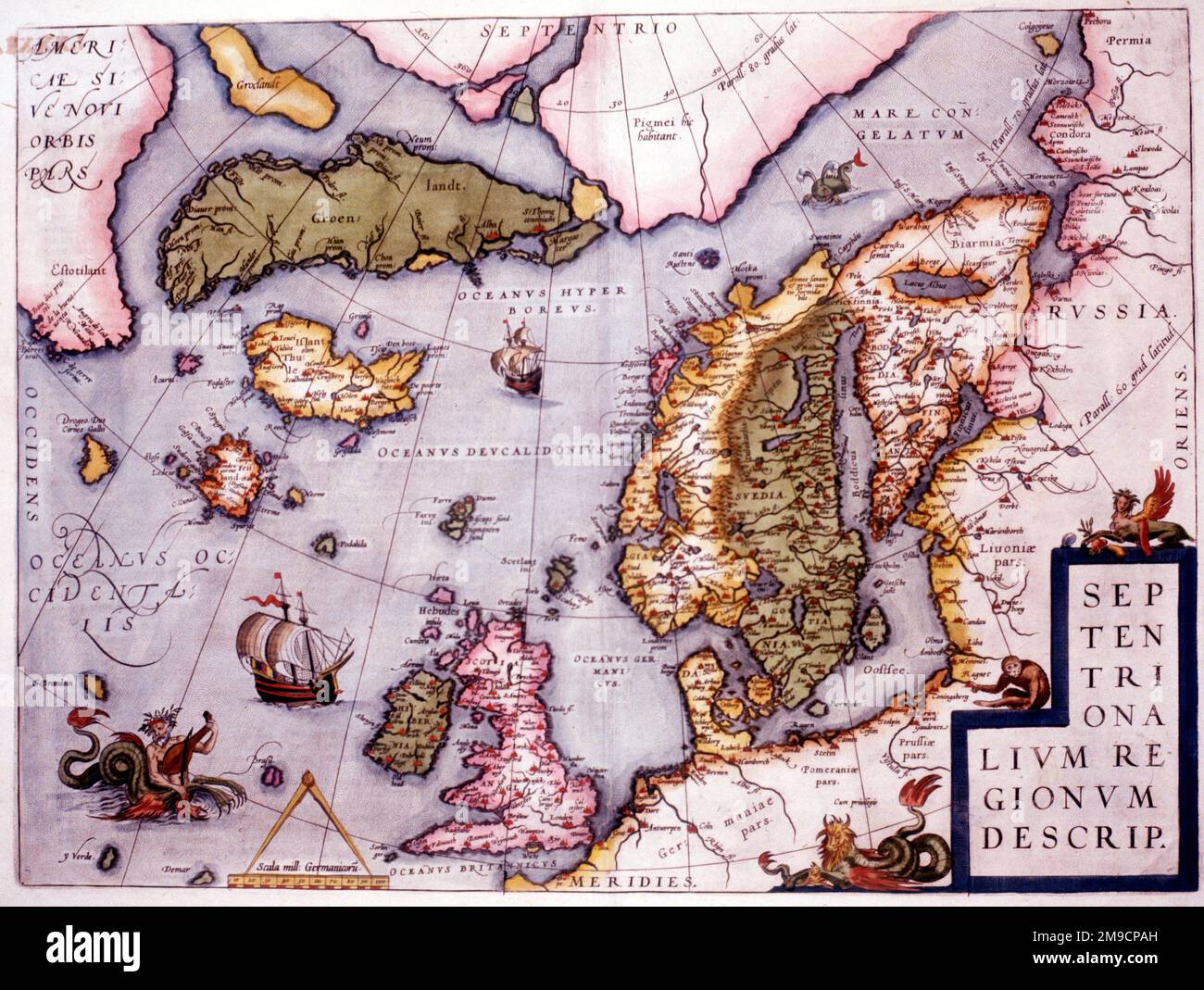
The implications of such a collapse would be far-reaching. A significant weakening of the AMOC would likely undermine the mild climate currently enjoyed in Europe, specifically reducing average air temperatures over Great Britain and Scandinavia.
Beyond regional temperature shifts, the environmental stakes are global. Because the system’s overturning sites are crucial for carbon sequestration, an collapse could imply that billions of tons of carbon could be released back into the atmosphere.
This development underscores the gravity of the situation, suggesting that the stalling of Earth’s giant “engine” may represent a more immediate and severe threat than the melting of polar ice alone.
