
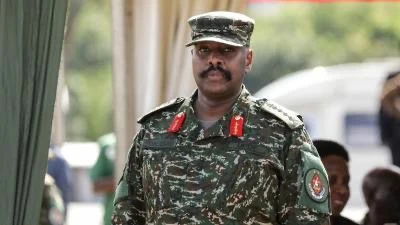
Diplomatic relations between Uganda and Turkey have reached a flashpoint following a series of provocative demands and threats issued by Muhoozi Kainerugaba, the son of Ugandan President Yoweri Museveni and the commander of the Ugandan army’s special forces.
In a move that has stunned international observers, Kainerugaba has issued a 30-day ultimatum to Ankara, threatening to completely sever diplomatic ties if his demands are not met. The controversy centers on a demand for Turkey to pay Uganda $1 billion and a highly unusual request for the “most stunning woman in the country” to be given to him as a wife. These demands, shared via social media, have sparked widespread outrage and confusion online.
The situation highlights an increasingly volatile diplomatic approach from the Ugandan military leadership, blending personal requests with national security threats. Kainerugaba has described Ankara as “the real problem” and stated that he had been waiting for the Turkish government to “come to its senses,” though he has not detailed specific diplomatic measures Turkey must take to avoid the rupture.
Although Turkish authorities have not yet issued a formal official response to the ultimatum, reports indicate that Ankara has criticized the statements and called for them to be corrected. The lack of clear, structured diplomatic conditions suggests the ultimatum may be more of a political stance than a formal state policy.
Beyond the friction with Turkey, the military official has taken a hardline stance on other global fronts. Kainerugaba expressed strong support for Israel, going as far as hinting at the potential deployment of 100,000 Ugandan soldiers to defend the “Holy Lands.” This pro-Israel position was coupled with harsh rhetoric directed at Iran, utilizing a combination of strategic and religious arguments.
These developments underscore a shift in Uganda’s regional and international positioning, as the leadership of its military forces engages in high-stakes rhetoric that could reshape East Africa’s diplomatic ties with Middle Eastern powers.
