
Benfica is moving forward with plans for a major stadium redevelopment and surrounding “Benfica District,” a project club officials say is critical to the long-term financial health and competitive success of the Lisbon powerhouse. The ambitious undertaking-the club’s largest infrastructural project as the construction of Estádio da Luz-requires a member vote and hinges on securing a significant investment partner, as detailed in a new report.The plan aims to transform Benfica’s home into a year-round destination, creating new revenue streams and enhancing the fan experience.
Benfica’s ambitious “Benfica District” project, the club’s most significant infrastructural undertaking since the construction of the Estádio da Luz, is poised to reshape the future of the Lisbon powerhouse. The plan envisions a modernized stadium experience and a stronger connection with the city, and is now heading for a crucial vote by club members.
/ 15
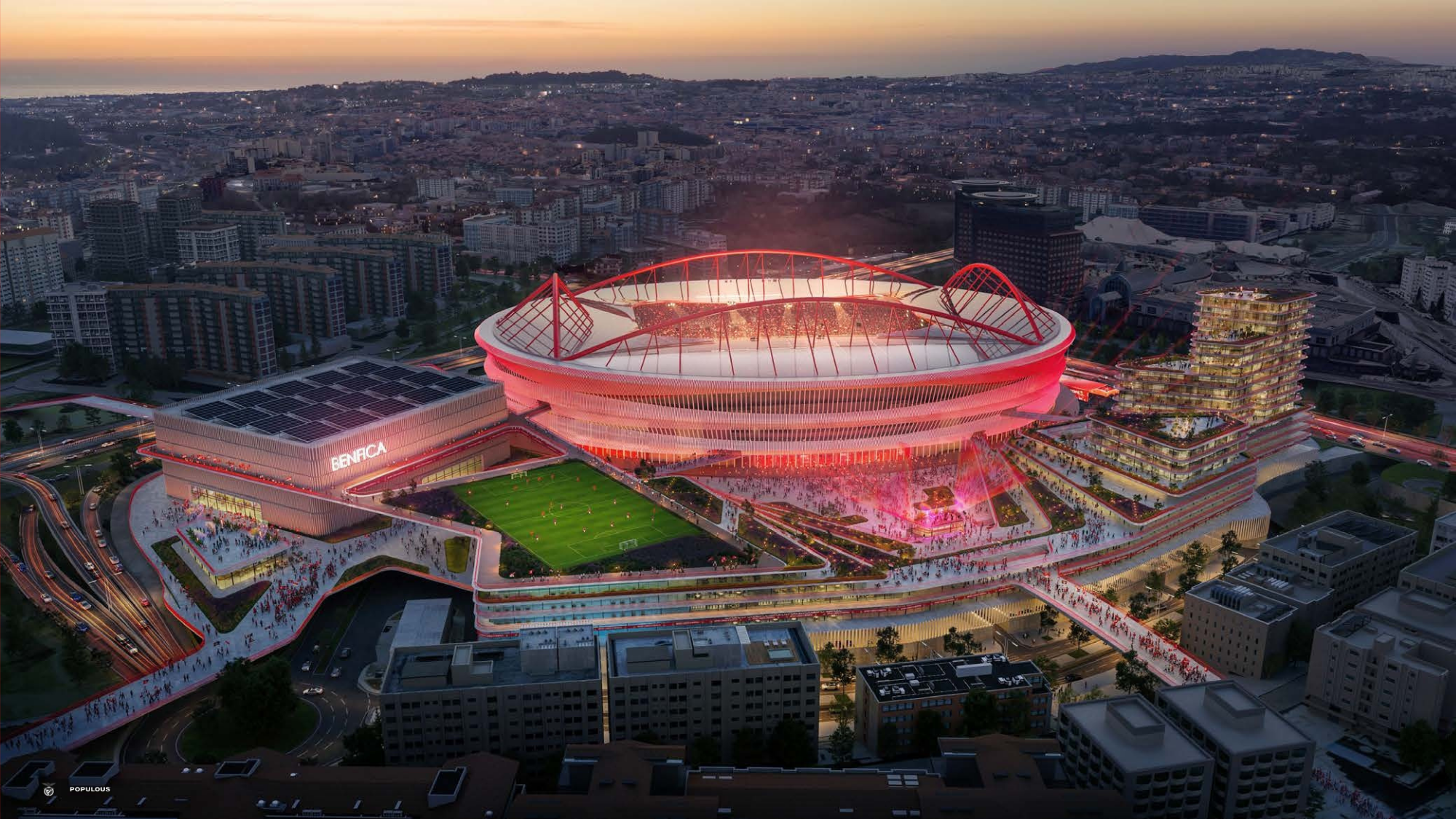
Vista geral do projeto Benfica District
/ 15
Vista geral do projeto Benfica District à noite
/ 15
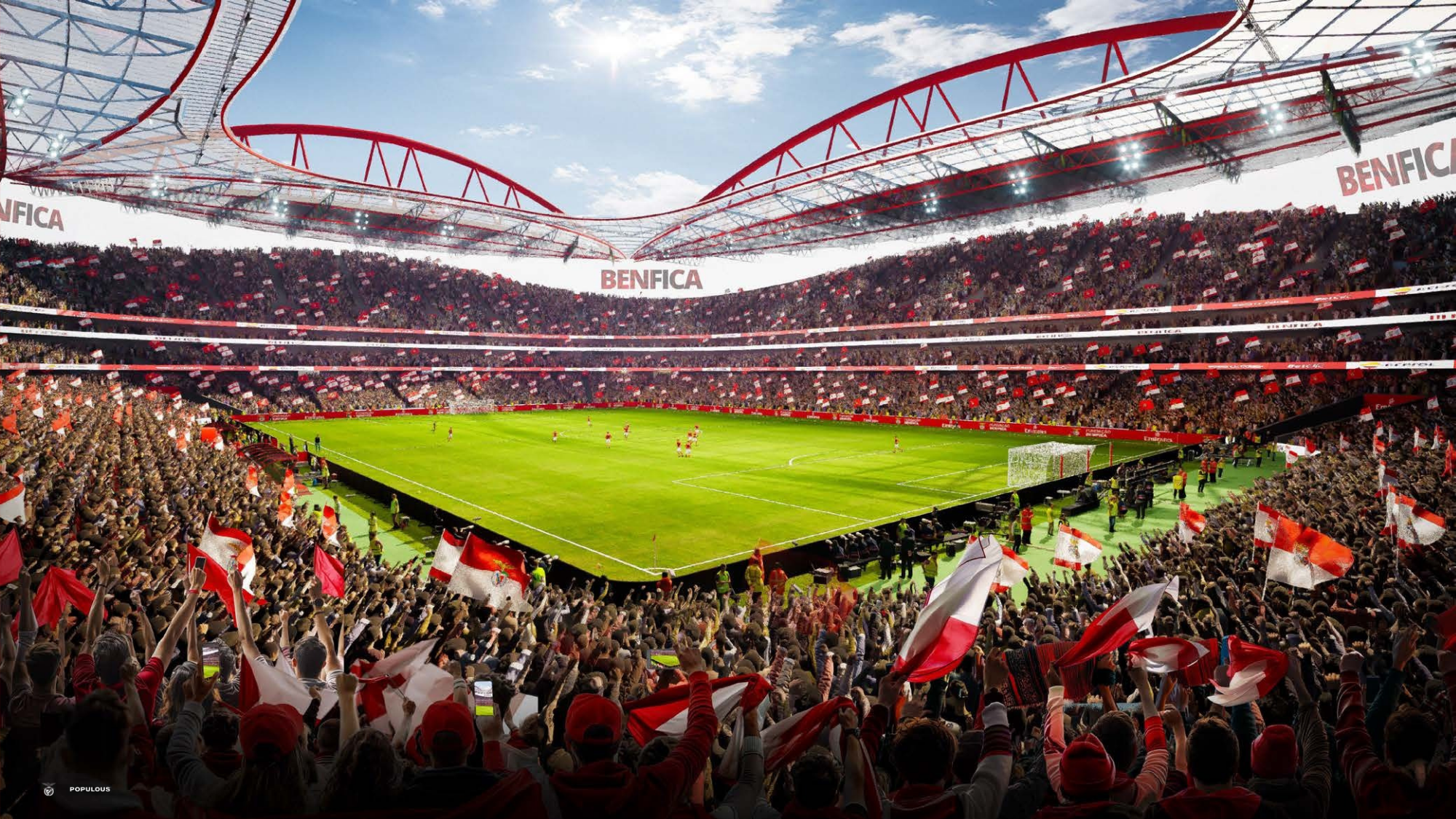
Proposta de interior do Estádio da Luz
/ 15
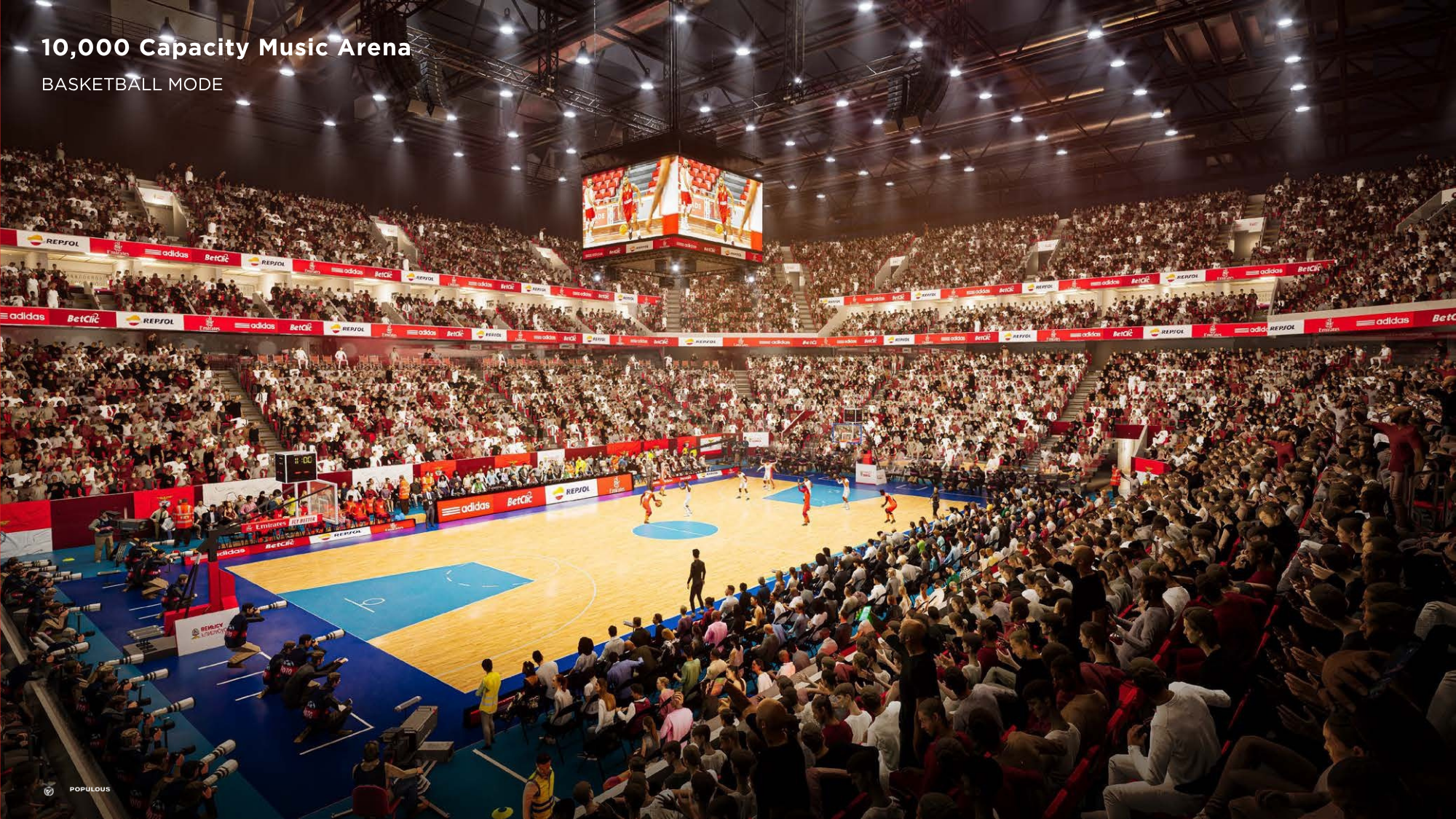
Arena Multiusos com capacidade para 10 mil pessoas
/ 15
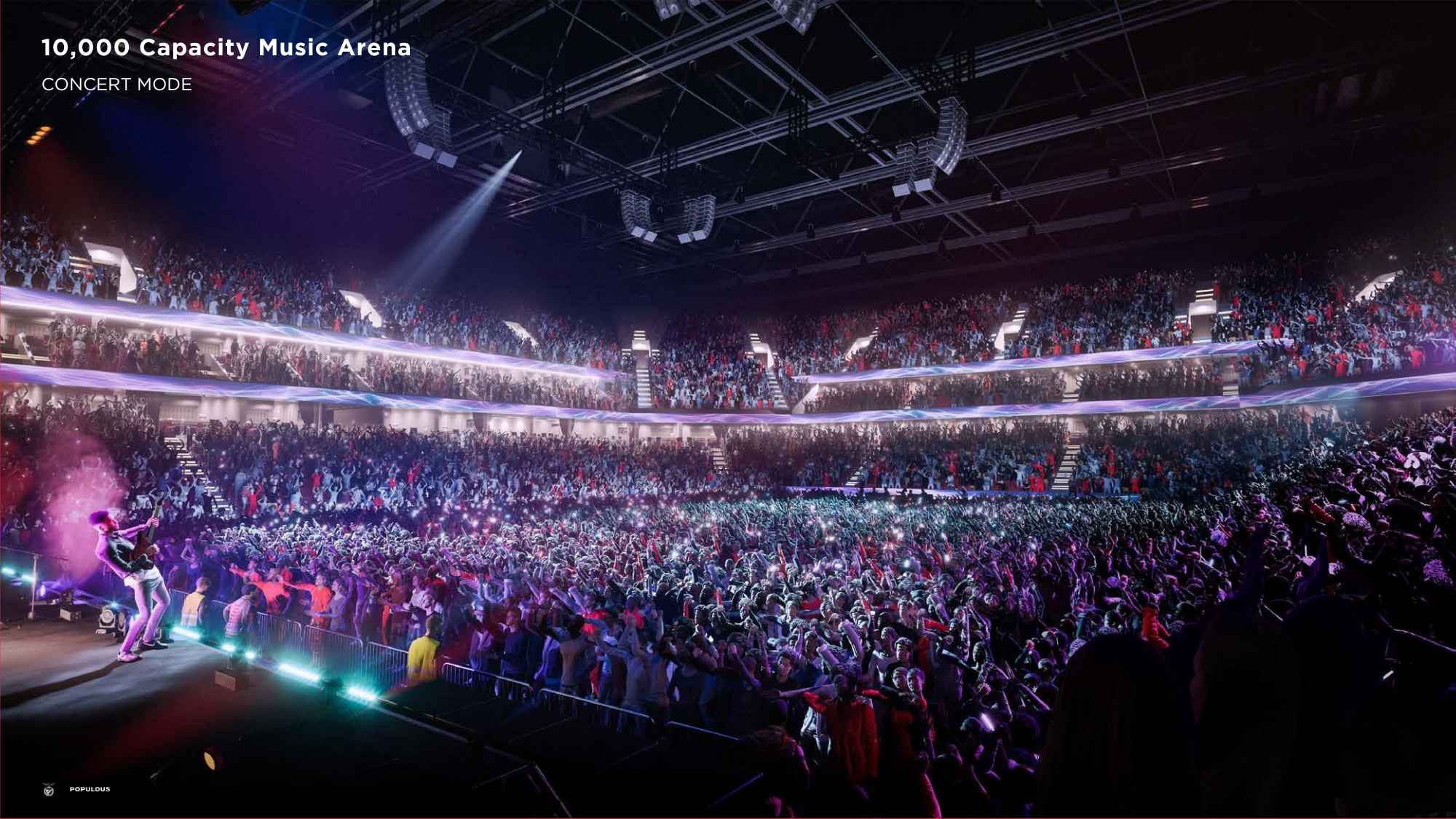
Arena Multiusos receberá concertos
/ 15
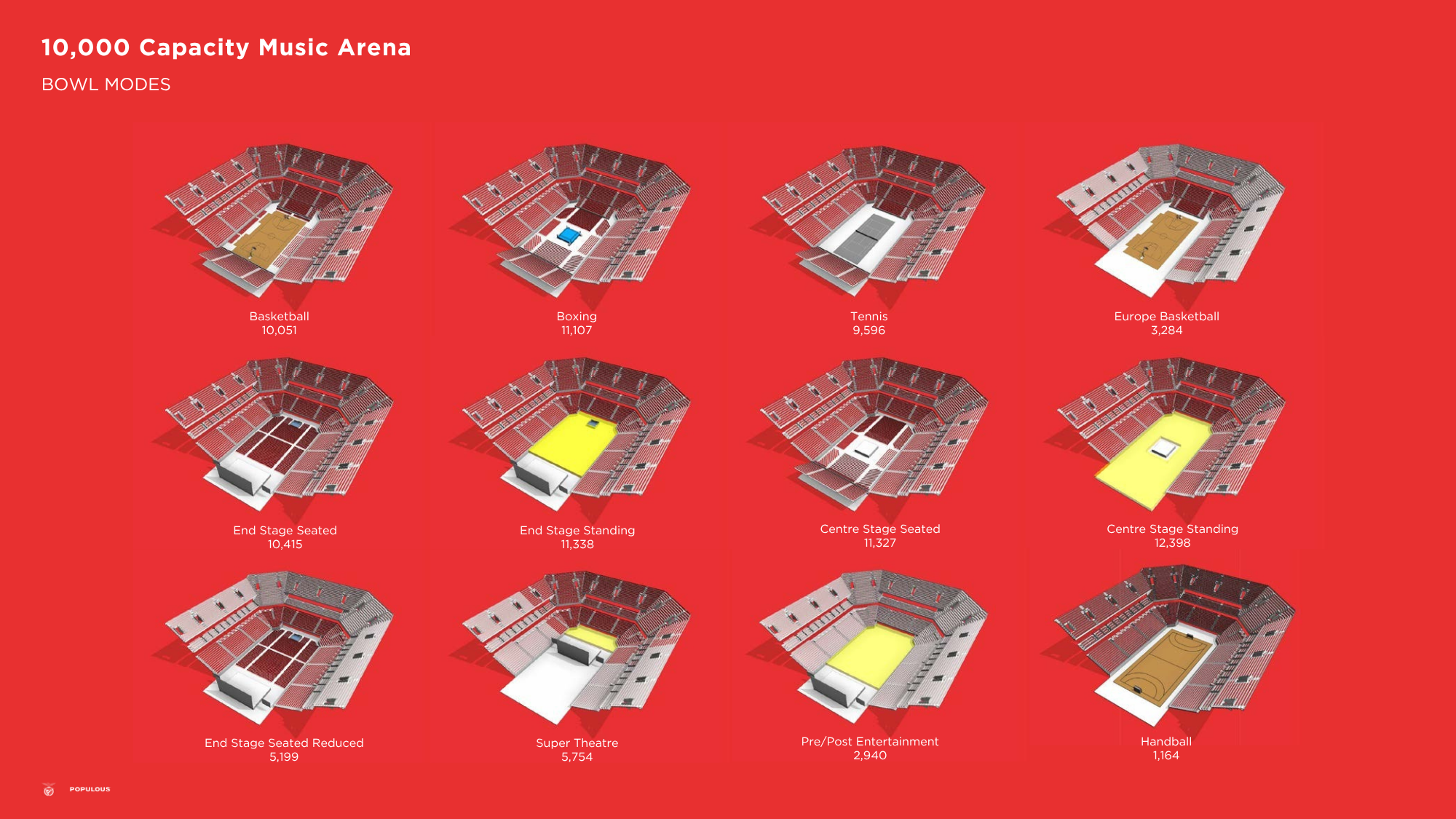
Diferentes configurações da Arena Multiusos
/ 15
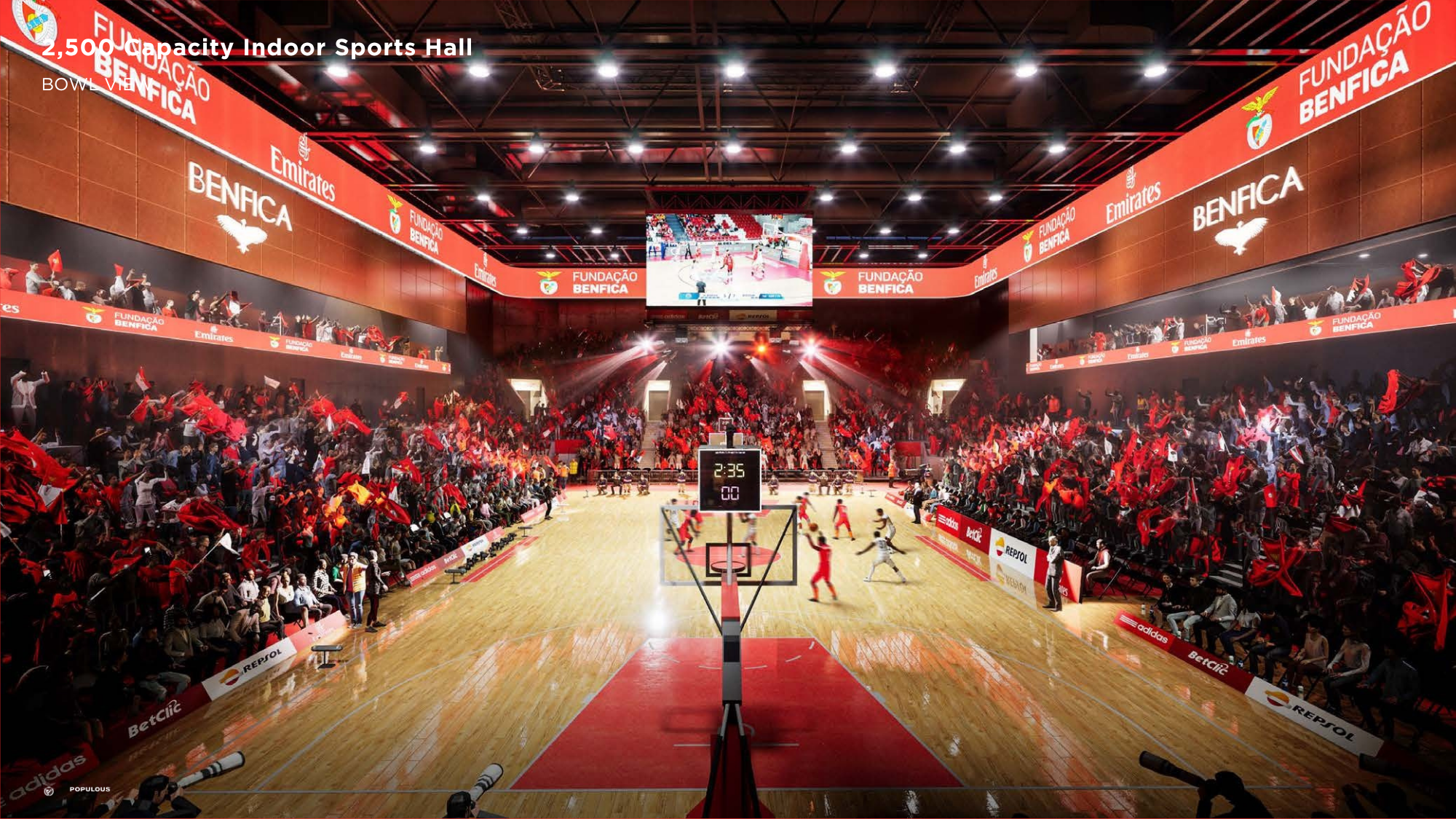
Novo pavilhão com capacidade para 2.500 lugares
/ 15
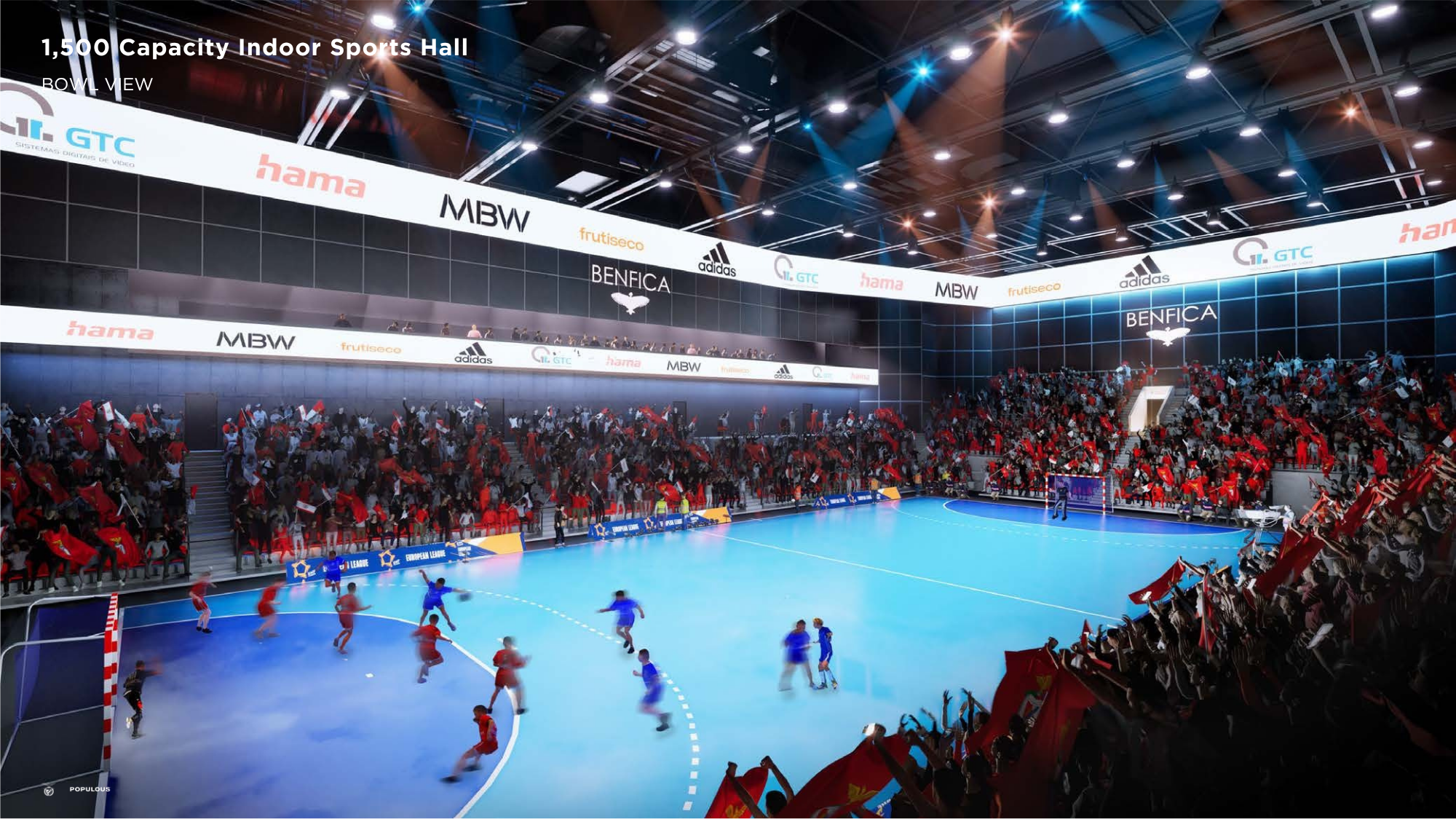
Novo pavilhão número 2 com capacidade para 1.500 lugares
/ 15
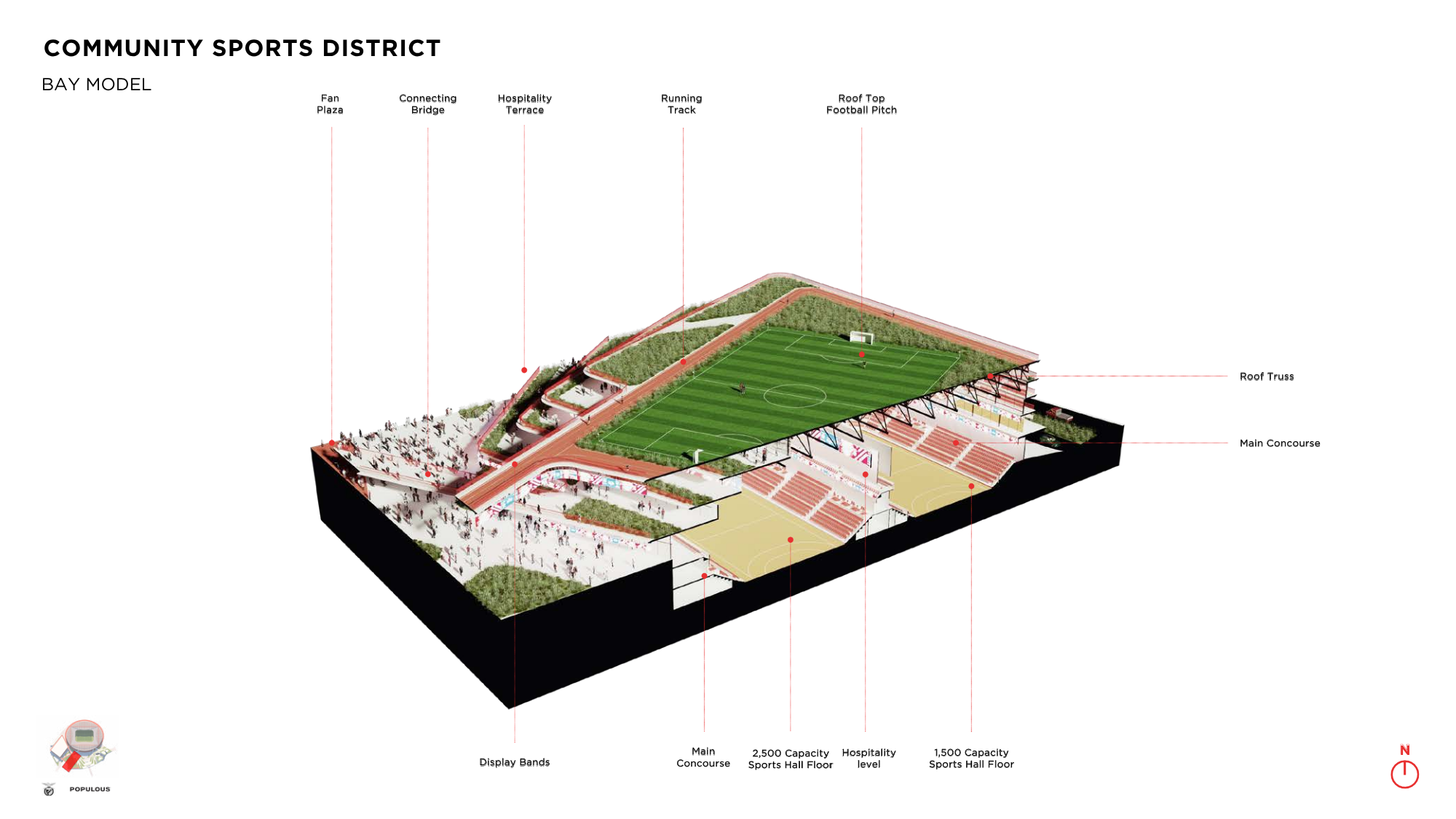
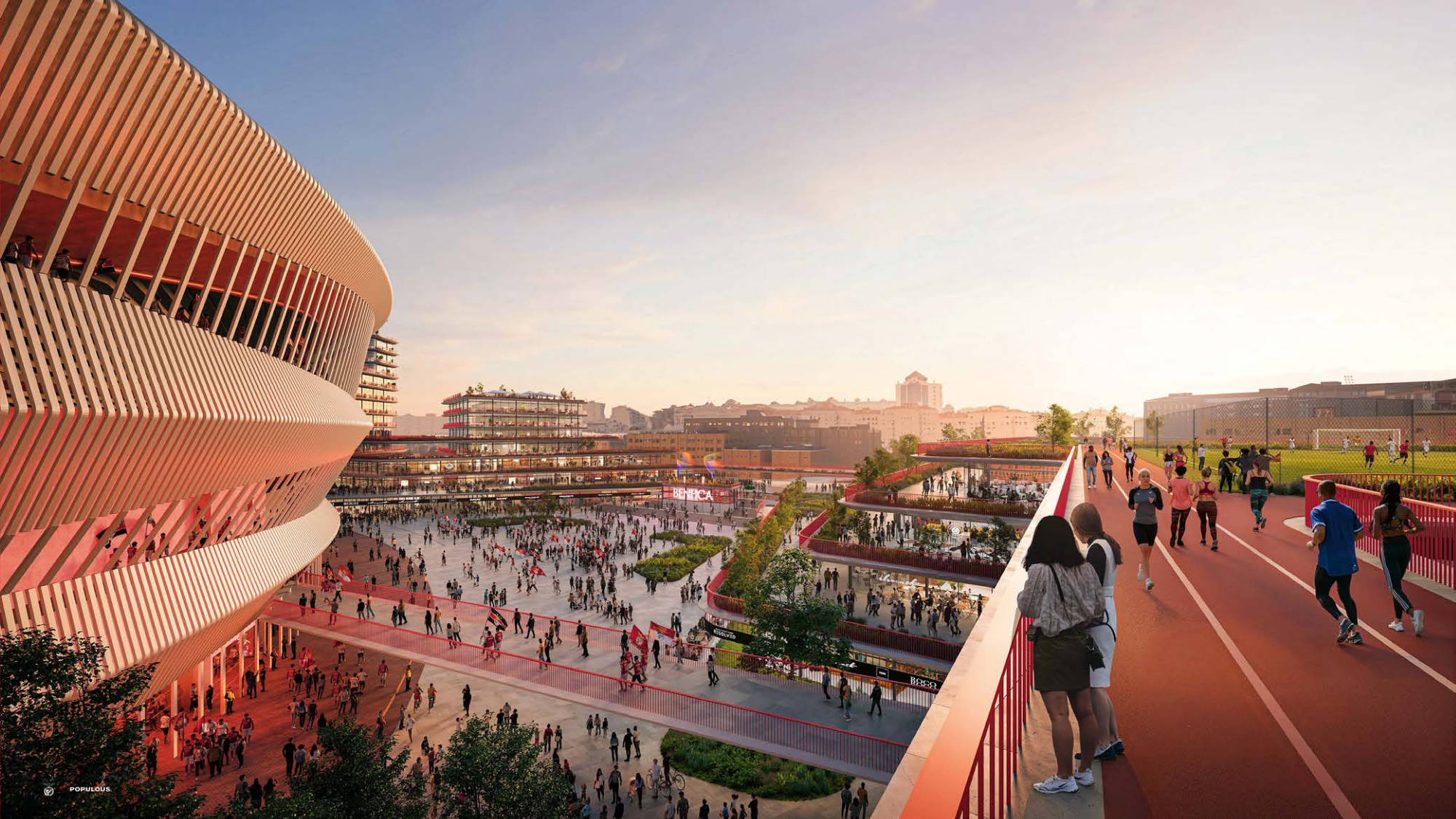
Campo e pista de corrida sobre os dois pavilhões
/ 15
Vista sobre a praça central
/ 15
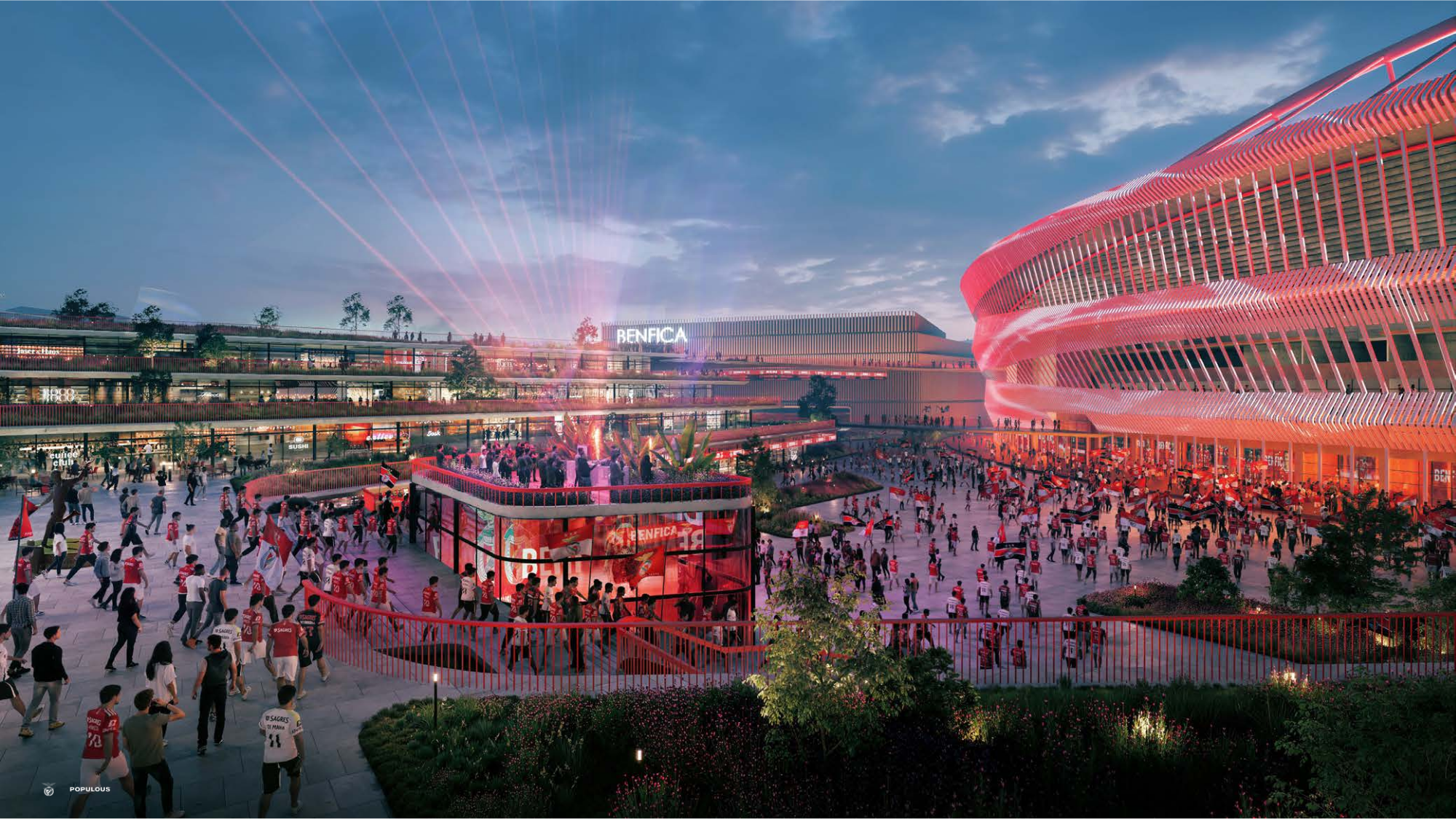
Praça central em frente à fachada principal pode receber 10 mil pessoas
/ 15
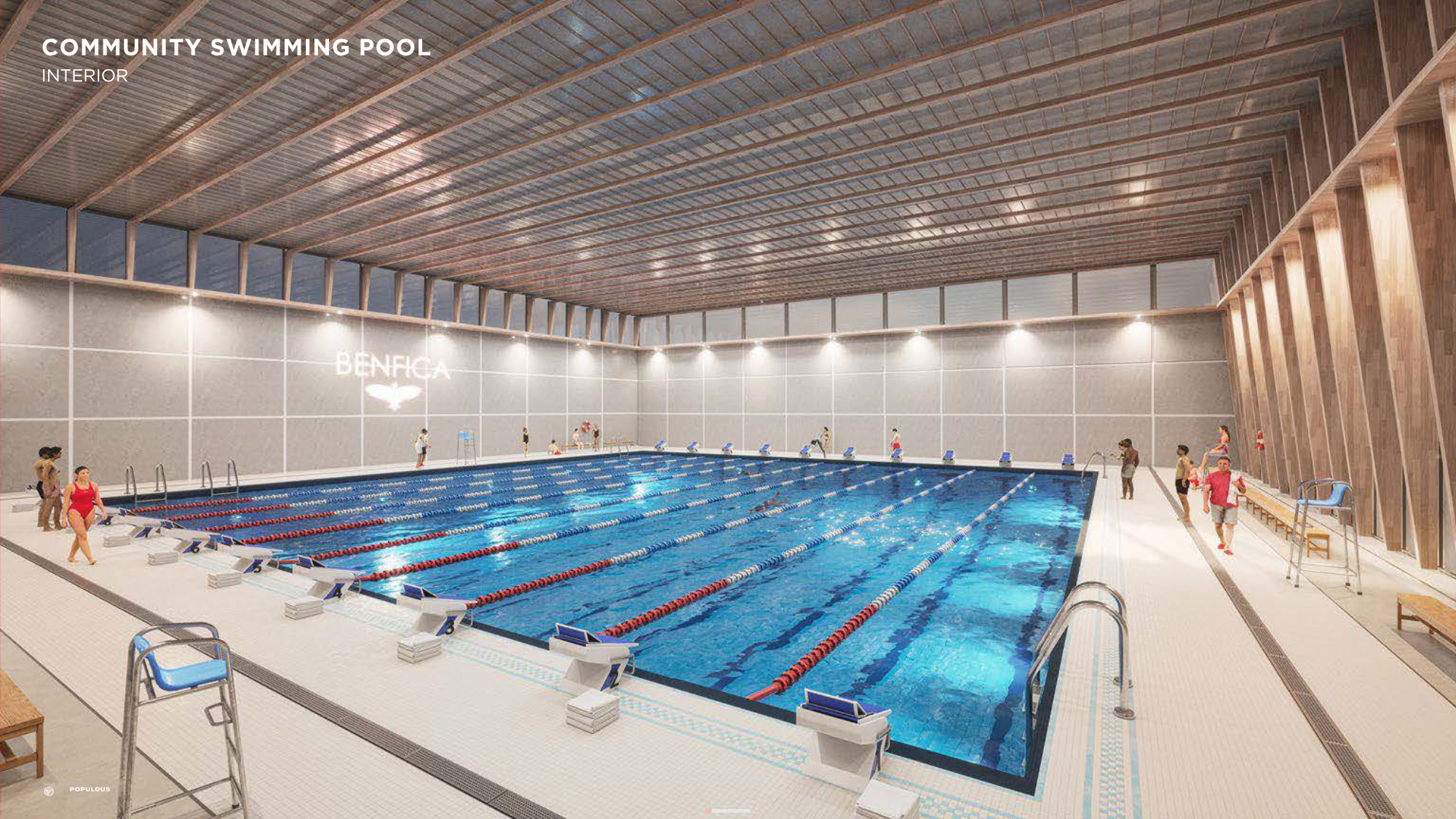
Piscina comunitária de 25 x 25 metros
/ 15
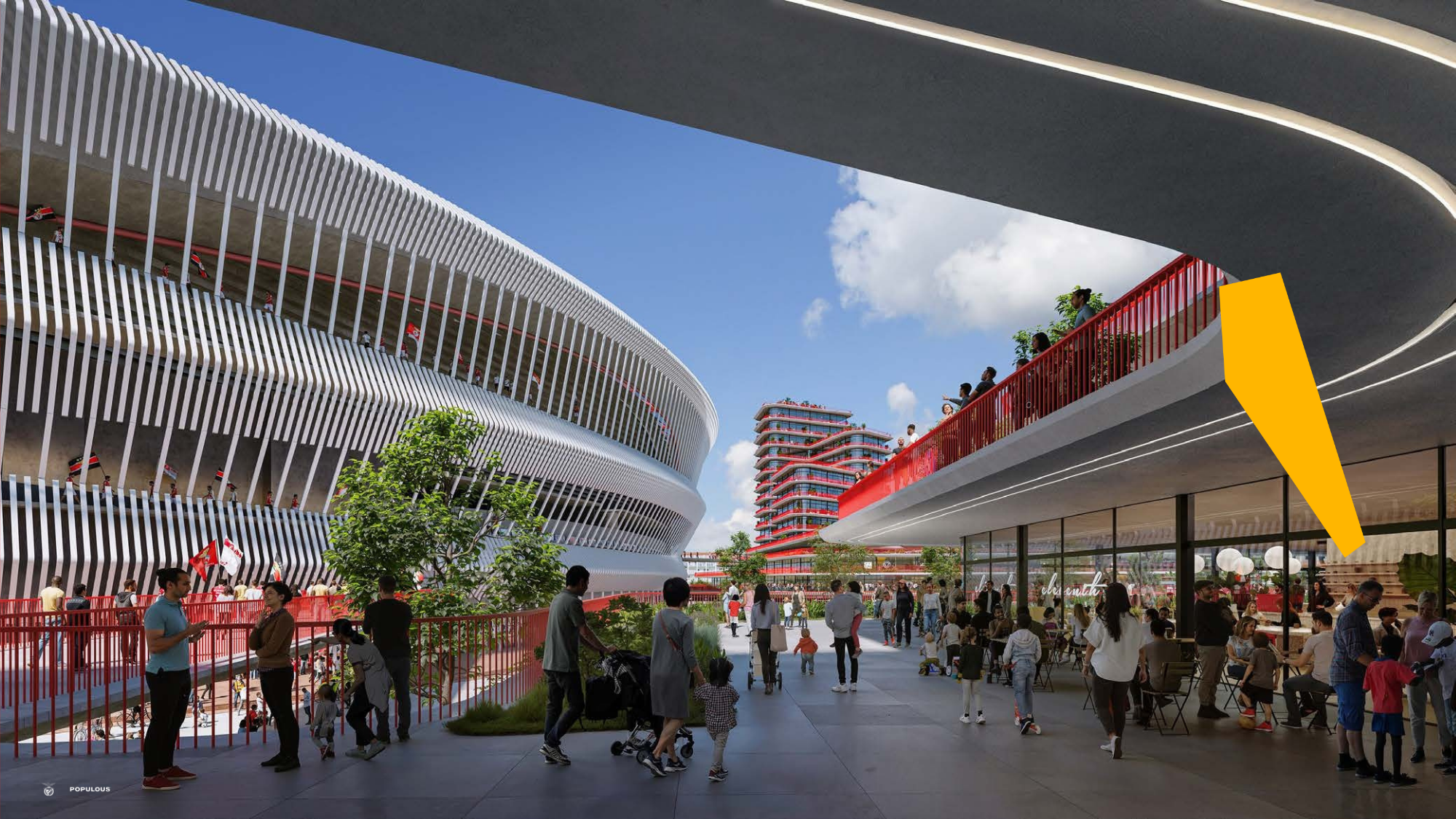
Uma das várias áreas de restauração
/ 15
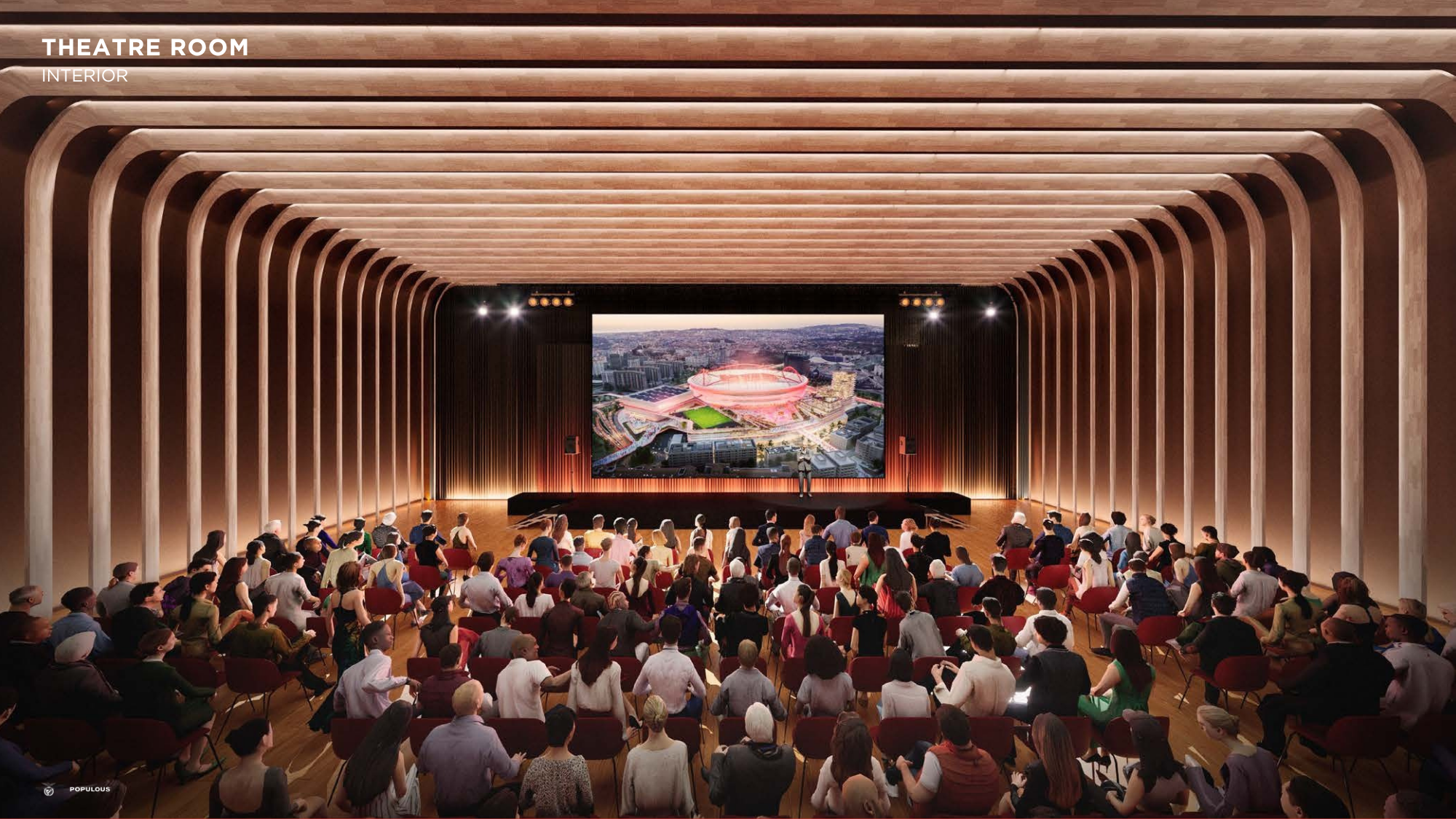
Teatro com capacidade para 500 pessoas
/ 15
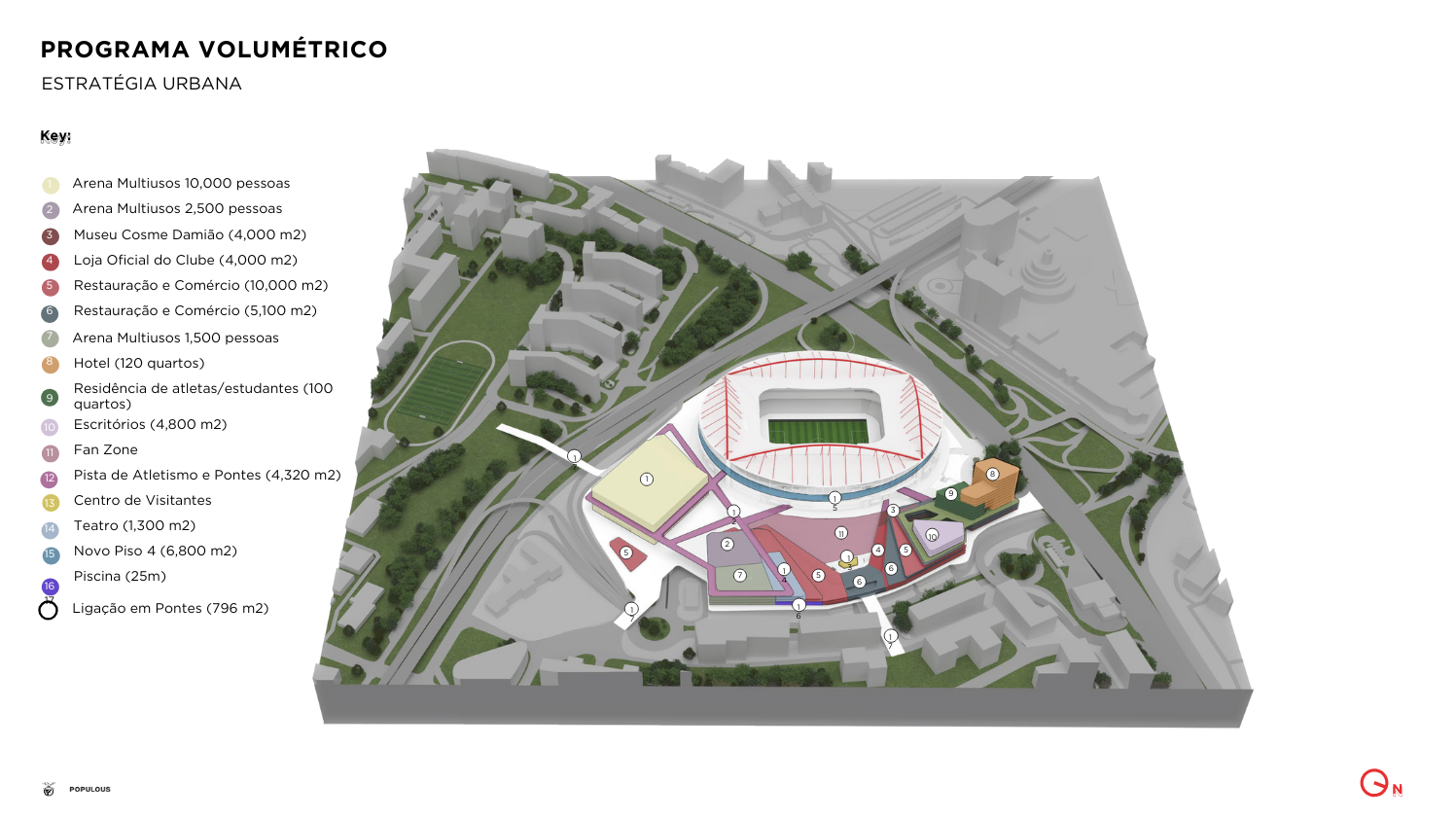
Todos os pormenores do Benfica District
Image Gallery
15 Photos
After a detailed review, two structural points stand out as critical to the success of the project, with a clear objective: to generate more revenue to retain talent and win more trophies.
The first is maximizing the use of the Estádio da Luz. An asset of this size cannot continue to be used, on average, just three times a month. A modern stadium should be active around 150 days a year. This requires two key changes: covering the stadium and lowering the pitch with an effective protection system. A roof allows for events to be viable in the winter, while a lowered pitch ensures the quality of the playing surface is maintained year-round. There is demand in Lisbon for a large venue of this nature, but only for one. If Benfica doesn’t move forward first, they risk losing that opportunity to their rivals. This could generate an additional €40 million per year in event revenue.
The second structural point, perhaps the most decisive, is selecting a strategic partner. The project only makes sense if it involves investment from the partner and not Benfica, ensuring that the financial and execution risk does not fall on the club. Identifying that partner should be the first major step, through a clear process involving entities with a proven track record in managing and promoting football stadiums. International operators like Legends, Anschutz Entertainment Group, Oak View Group, Live Nation, CTS Eventim, or Lagardère Sports should be invited to submit proposals.
With a partner defined for a long horizon, for example 30 years, and with a revenue-sharing model, it will be possible to rigorously discuss the remaining aspects of the project. This model mitigates the risks of financial overruns and execution delays, ensuring greater discipline and accountability. For these partners, the rationale is simple: invest between €400 and €450 million to exploit an asset with a potential value between €1 and €1.1 billion.
Beyond these two structural points, there are relevant improvements to consider, such as integrating the club store and museum inside the stadium. Currently, visitors to the Estádio da Luz are not naturally guided to the club’s history or its main commercial area. Integrating the museum and store into the visit route modernizes the experience and increases the average value per visitor. The history and identity of Benfica are unique assets and should be at the center of the experience.
Benfica needs to evolve, follow the best European examples, and enhance one of its greatest assets. This is a project with an impact for decades to come. It is natural for members to demand rigor and guarantees. Supporting this path and contributing to its improvement is, as a member, a duty of commitment to a winning Benfica.
