
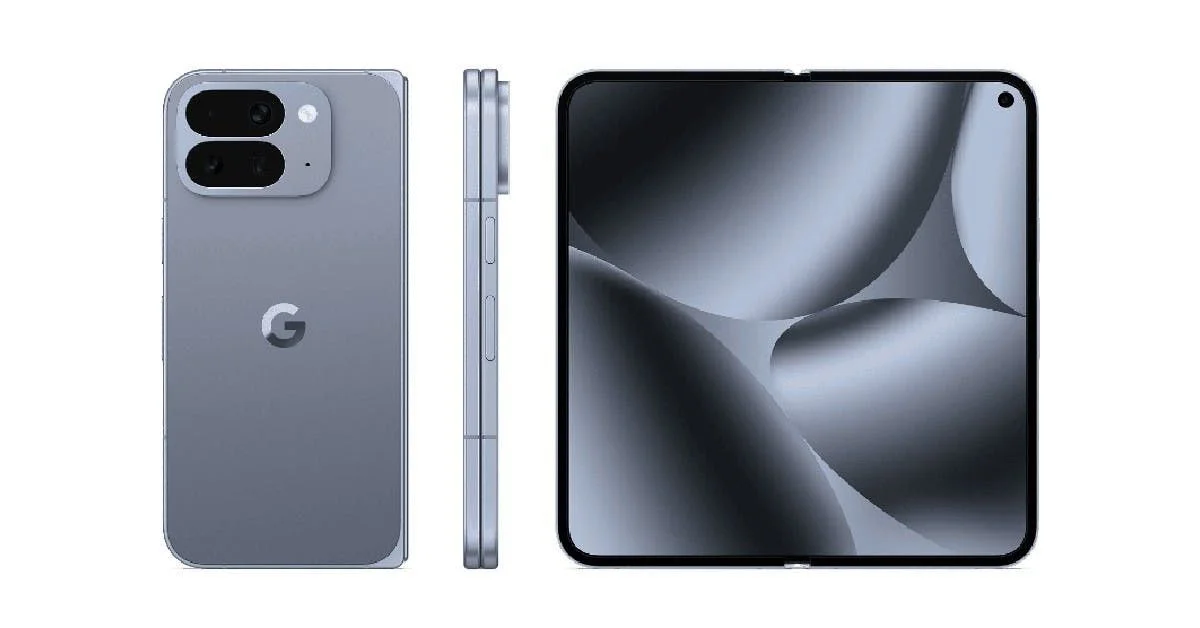
The foldable smartphone market in 2026 is entering a phase of aggressive pricing and hardware refinement, as manufacturers strive to balance premium features with consumer value. Recent shifts in the landscape highlight a growing competition between Google and Motorola, with both brands iterating on their foldable designs to capture a wider audience.
Google has made a significant move to increase the accessibility of its foldable lineup. The Pixel 10 Pro Fold has seen a substantial price reduction of 13,000 TWD, a move that positions the device more competitively in the current May market. Beyond the pricing adjustment, the device features a expansive 8-inch screen when unfolded and a redesigned hinge engineered for greater durability. This combination of a larger display and improved structural integrity signals Google’s commitment to solving the long-term reliability concerns associated with foldable tech.
Meanwhile, Motorola is pushing the boundaries of the clamshell form factor, though not without some debate over its cost. The Razr Ultra 2026 is described as having nearly every feature a foldable device should possess, yet its $1,500 price tag remains a point of contention for those weighing its overall value proposition.
The competitive pressure is also evident in the mid-range and performance tiers. Industry comparisons are now frequently pitting the Motorola Razr 70 (2026) against the Google Pixel 10a, with a particular focus on how their respective photography capabilities and overall performance stack up against one another.
As the industry matures, the 2026 foldable landscape is increasingly defined by a few key players. A review of the top five recommended foldables for the year highlights the dominance of Samsung, Google, and Motorola. The move toward more durable hinges and aggressive pricing strategies suggests that these companies are no longer just treating foldables as experimental luxury items, but as viable, long-term replacements for the traditional smartphone.
