
UN Warns of Global Famine as Hormuz Strait Blockade Persists
The United Nations has issued a stark warning that tens of millions of people could be pushed into starvation and famine if the blockade of the Strait of Hormuz is not lifted immediately to allow the passage of critical agricultural supplies.
Jorge Moreira da Silva, head of the UN Office for Project Services (UNOPS) and leader of a task force dedicated to averting the looming humanitarian disaster, cautioned that the world is on the brink of a catastrophic food crisis. According to da Silva, the current situation could force an additional 45 million people into hunger.
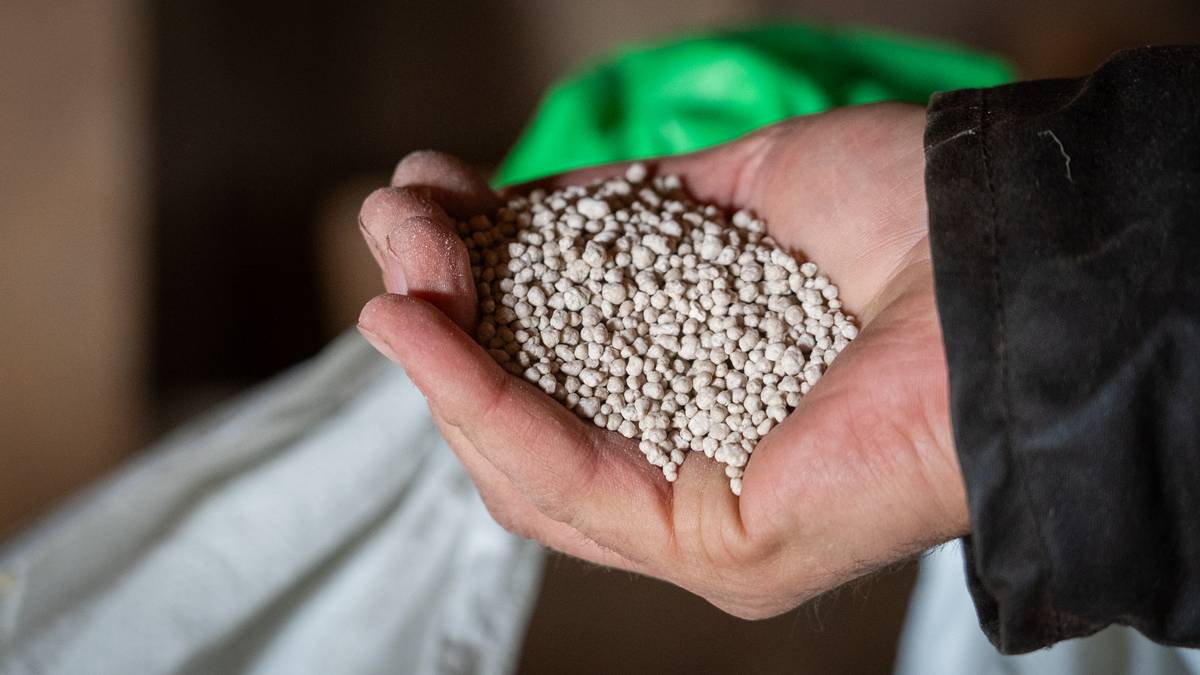
The crisis centers on the global trade of synthetic fertilizers, which are essential for maintaining crop yields. Approximately one-third of the world’s fertilizer trade relies on the Strait of Hormuz. Due to the ongoing war in Iran and the subsequent blockade, which has effectively closed the waterway to commercial shipping for over 70 days, fertilizer prices have surged.
The disruption is already being felt in agricultural hubs far from the conflict zone. In Kenya, farmers near Embu are struggling to keep up with production as the cost of fertilizer becomes prohibitive. Local farmer Hilam Thoithi Njoroge warned that when farmers cannot afford necessary inputs, crop yields drop, directly threatening food security for the general population.
“If they cannot produce enough for consumers, there will be hunger,” Njoroge said, noting that the majority of Kenyans rely on farming for their livelihoods.
The urgency of the situation has prompted calls for immediate diplomatic or tactical resolutions to reopen the shipping lanes. Norwegian Development Minister Åsmund Grøver Aukrust emphasized the critical need to restore transport through the strait to prevent the crisis from escalating further.
The window for intervention is closing rapidly. Speaking on May 11, 2026, da Silva warned that You’ll see only a few weeks remaining to prevent what will likely become a “massive humanitarian crisis.”
The ongoing blockade underscores the fragility of global food supply chains and the profound impact that regional conflicts can have on food security in developing nations. The inability to move basic agricultural components like ammonia, phosphate, and nitrate is transforming a geopolitical conflict into a global survival struggle.
