
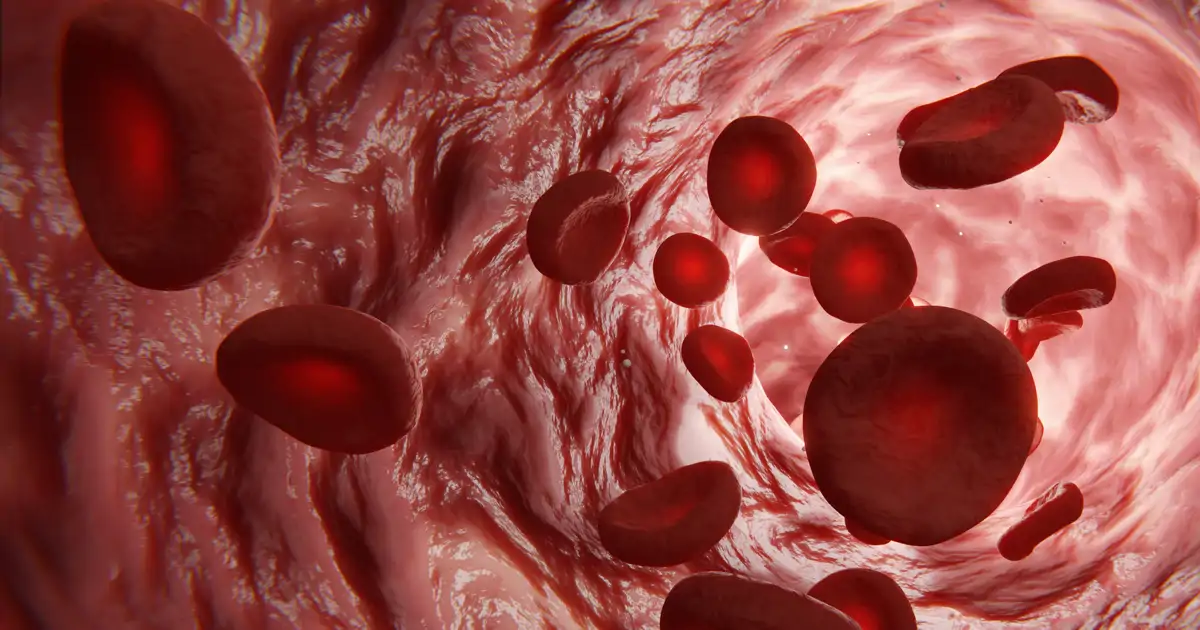
For centuries, the study of blood has been central to understanding life itself. Now, researchers are focusing on the very source of our blood cells – hematopoietic stem cells – and a new study offers a promising path toward reversing age-related decline in their function. scientists at the Bellvitge Biomedical Research Institute, in collaboration with the Global Health Institute (ISGlobal) and the Barcelona Supercomputing Center, have successfully rejuvenated these critical cells in laboratory settings, potentially opening doors to new therapies for age-related immune deficiencies and blood disorders. Their findings, published in Nature Ageing, detail how a targeted drug treatment can restore youthful vigor to these essential components of our biology.
For centuries, blood has captivated physicians and physiologists. This red fluid was once considered one of the essential “humors” that sustained life, and its loss meant a loss of vitality. While early explanations—such as the belief that it was composed of elements like air and earth—may seem archaic today, they weren’t entirely off base. Blood is, in fact, vital for mammals and many other animals, and understanding its complexities has led to life-saving medical interventions like blood transfusions.
Today, we know blood is a complex combination of liquids, suspended substances, and cells responsible for delivering nutrients and signals throughout the body, as well as defending against threats. This defense system relies on specialized cells like white blood cells, which fight off infection, megakaryocytes, which form platelets for blood clotting, and erythrocytes, or red blood cells, which carry oxygen thanks to the iron-rich heme group within them. Understanding these components is crucial for diagnosing and treating a wide range of health conditions.
One of the most surprising aspects of blood is that the cells circulating within it are produced in the bone marrow of long bones. Essentially, all these tiny machines that keep the body functioning and give blood its color originate inside our bones. This is where hematopoietic stem cells reside. These cells constantly divide to replace aging blood cells, which typically survive only a few months. For example, red blood cells have an average lifespan of around 120 days. However, as we age, these stem cells themselves become depleted, potentially leading to age-related health problems.
Now, a new study published by researchers at the Bellvitge Biomedical Research Institute, in collaboration with the Global Health Institute (ISGlobal) and the Barcelona Supercomputing Center, has successfully “rejuvenated” these blood stem cells.
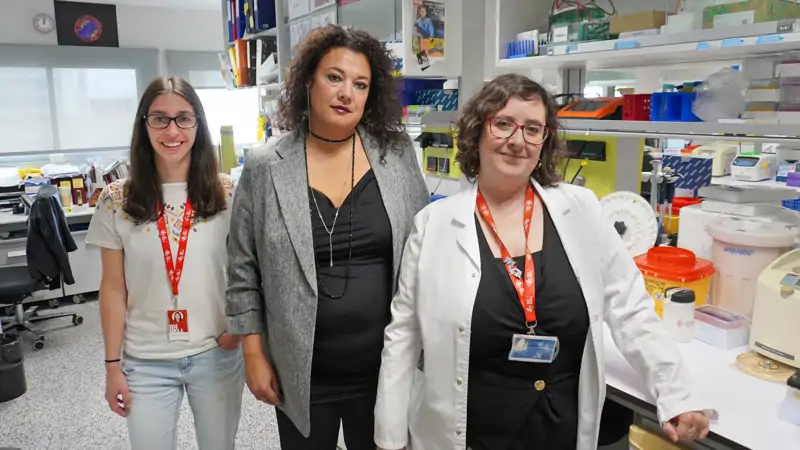
Sara Montserrat-Vázquez, Dr. M. Carolina Florian and Dr. Eva Mejía-Ramírez, researchers at IDIBELL and co-authors of the study, at their laboratory table. Dr. M. Carolina Florian leads the IDIBELL research group on the aging of stem cells.
To achieve this, the team used a drug called Rhosin, which inhibits RhoA, a protein highly active in aging hematopoietic stem cells. The findings were published in Nature Ageing, a leading scientific journal. This research offers potential new avenues for addressing age-related decline in blood cell production.
Leveraging Artificial Intelligence in Blood Research
Cellular aging isn’t the same as human aging. Cells don’t develop wrinkles, but their age is reflected within the nucleus. Over time, stem cells accumulate mutations and lose epigenetic markers, making the DNA instruction manual harder to read. Furthermore, when they divide, these changes lead to inefficient DNA packaging. The result is similar to trying to pack a 15-day wardrobe into a carry-on suitcase: tension builds within the nucleus, threatening to rupture it.
The researchers discovered that this increased tension activates the RhoA gene, accelerating cellular aging. Using machine learning, Dr. Paula Petrone and Pablo Iañez Picazo, from ISGlobal and BSC, found that Rhosin could help with DNA packaging, reducing tension and allowing cells to revert to a younger state. They observed these effects both in the lab and in animal models.
Dr. Eva Mejía Ramírez summarized the findings: “Generally, our experiments demonstrate that Rhosin rejuvenates blood stem cells, increases the regenerative capacity of the immune system, and improves the production of blood cells after transplantation into the bone marrow.”
‘Young’ Blood Represents a Significant Advance
This discovery builds on previous work by Dr. M. Carolina Florian’s lab, which showed that using hematopoietic stem cells could delay or reverse the aging process. This could potentially extend the period of healthy life and delay the onset of chronic diseases and disabilities.
By rejuvenating one of the ancient “humors,” this essence of life that early scholars sought to understand, this research could not only help individuals but also significantly reduce healthcare costs associated with age-related illnesses. This study, along with others aiming to reverse molecular clocks, could benefit all people as they age—currently exceeding 8 billion worldwide.
