
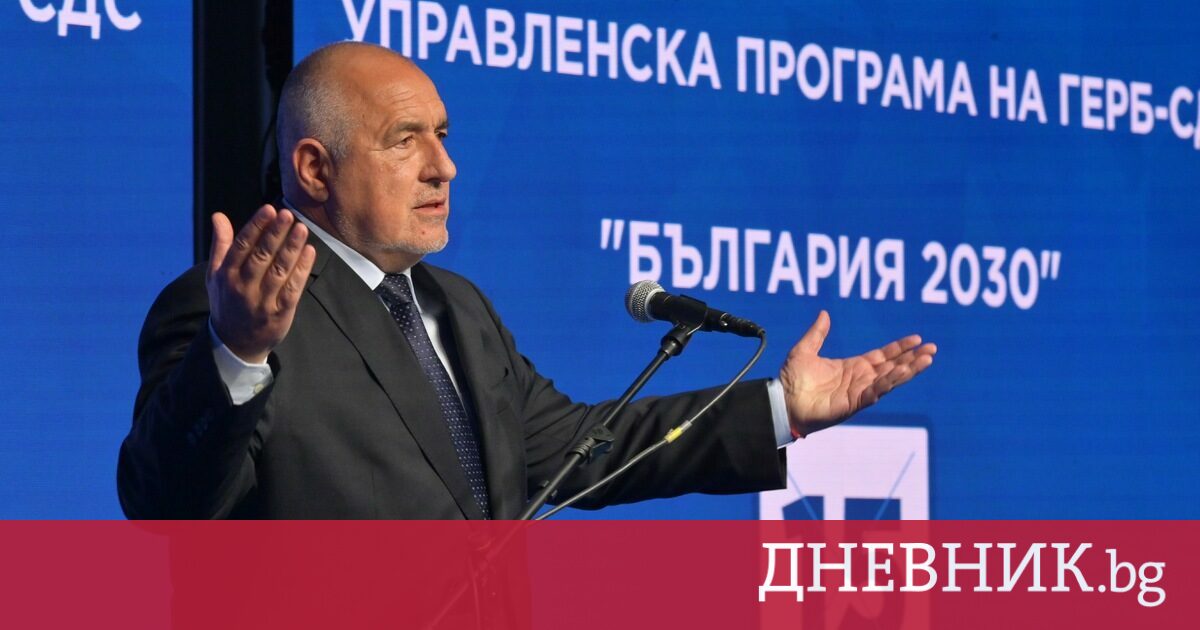
Boyko Borissov, the founder and leader of the GERB party, has launched a sharp critique of Rumen Radev, labeling the former president as the “new Orbán.” The comparison to the Hungarian Prime Minister suggests a move toward a similar style of governance as Bulgaria approaches a pivotal election cycle.
The rhetoric comes as Bulgaria prepares for early parliamentary elections scheduled for April 19, 2026. The political landscape is currently marked by a tight race between GERB and “Progressive Bulgaria,” the formation backing Rumen Radev. While “Progressive Bulgaria” has held a lead in recent polling, data from Alpha Research conducted between March 12 and March 20, 2026, indicates that GERB is narrowing the gap.
Borissov’s comments highlight a deepening divide between the two political camps. In a series of statements, Borissov suggested the possibility of a government cabinet involving “Progressive Bulgaria” and the PP-DB coalition, while simultaneously warning against the influence of Radev.
Beyond the personal attacks on Radev, Borissov has focused on the economic future of the country’s youth. He stated, “I do not want a party that condemns children and young people to pay off someone else’s debts,” emphasizing a platform centered on fiscal responsibility and the protection of future generations.
The stakes for the upcoming vote are high, as the results will determine the direction of the Bulgarian government. Rumen Radev, who previously served as president and commander of the Air Force, is making his first foray into this specific electoral contest after resigning from the presidency.
As the campaign enters its final stages, GERB is ramping up its pre-election efforts to reclaim a dominant position. This clash of ideologies underscores the volatile nature of Bulgarian politics as the nation decides between the established leadership of Borissov and the emerging challenge posed by Radev’s “Progressive Bulgaria.”
The move to frame Radev as an “Orbán-style” figure is a strategic attempt to signal a warning about democratic norms and governance styles to the electorate ahead of the April 19 polls.
