
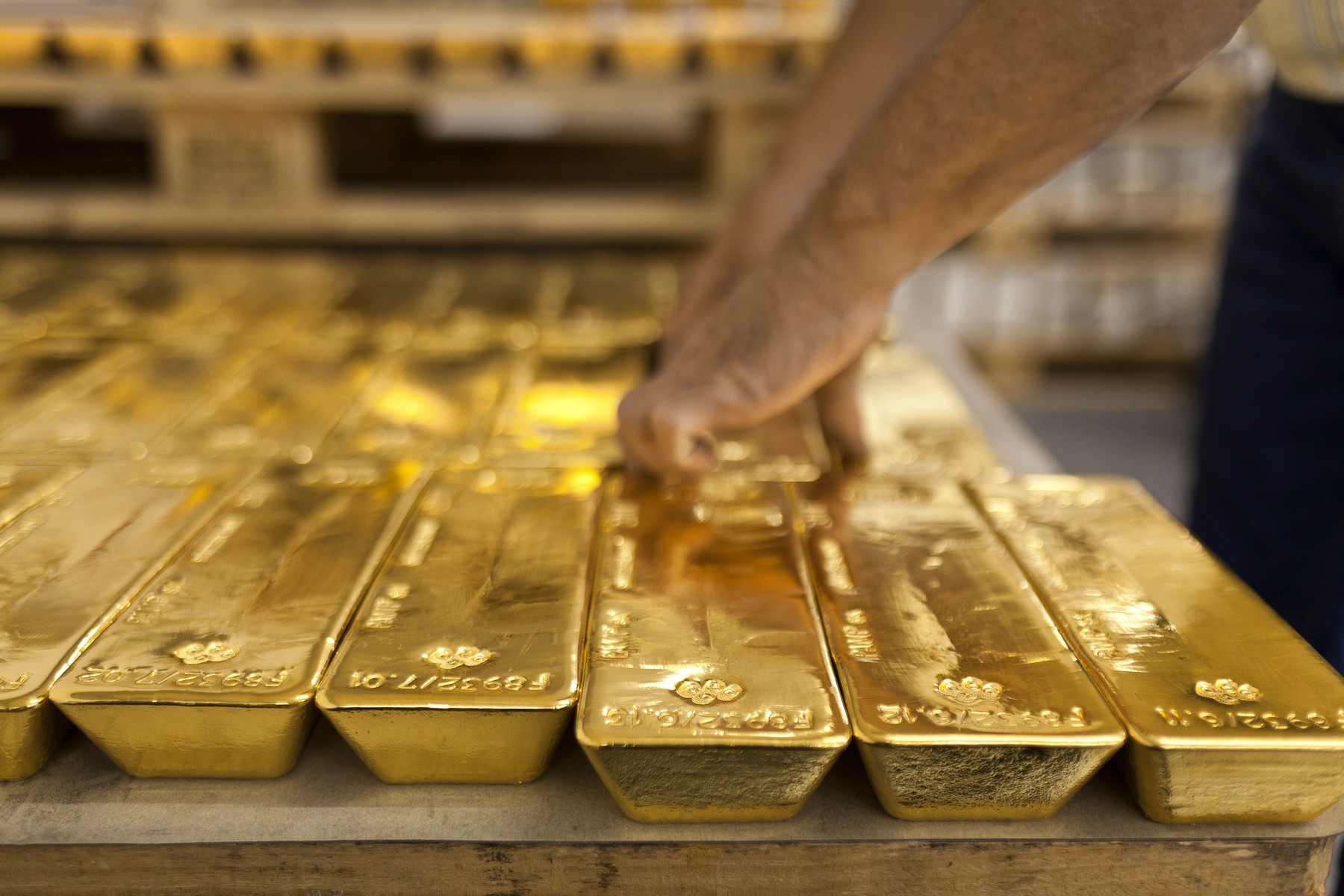
Gold Prices Plunge 25% Despite Middle East Conflict: Why Investors Are Pivoting
In a surprising reversal of traditional market behavior, gold experienced a sharp correction in March 2026, losing between 20% and 25% of its value. The precious metal’s price tumbled from approximately $5,600 per ounce in January to around $4,100 by March. This downturn occurred despite escalating tensions in the Middle East, a scenario where gold is typically sought after as a primary safe-haven asset.
The volatility highlights a shift in investor priorities, as the geopolitical crisis was perceived not merely as a regional conflict, but as the catalyst for a new inflationary shock. This perspective led to expectations that central banks would maintain high interest rates for an extended period—a condition that generally weighs heavily on gold prices.
The Shift Toward Liquid Assets
As U.S. Treasury yields climbed and the U.S. Dollar strengthened, investors rapidly reallocated their portfolios. Market participants favored more liquid safe havens, specifically the U.S. Dollar and short-term U.S. Bonds, leading to a significant decline in gold demand. This trend underscores the complexity of current market dynamics, where immediate liquidity often outweighs traditional stores of value during acute crises.

According to Radu-Iulian Padurean, Network Development Manager at Freedom24, the March correction serves as a critical reminder that gold is not always the preferred hedge against oil shocks and new waves of inflation.
Speculative Pressure and Central Bank Activity
The price drop was further intensified by a highly speculative market following strong gains throughout 2025 and early January 2026. As volatility spiked, many investors liquidated their gold holdings to lock in profits or cover losses in other asset classes.
Adding to the downward pressure were reports that some central banks had begun selling gold reserves. These sales were reportedly intended to support national currencies, finance energy imports, and meet urgent budgetary requirements. Victor Dima, Treasury Manager at Tavex Romania, noted that the price decline was driven not by the conflict itself, but by the resulting economic pressures, emphasizing that the Middle East plays a critical role in global trade.
Although international markets saw a sharp decline, some regional trends varied. The market has since seen reactions to statements made by Donald Trump, which influenced the overall evolution of the markets. Despite the short-term volatility, some experts maintain that gold retains strong long-term value, and other precious metals have seen increases as the market begins to stabilize.
