
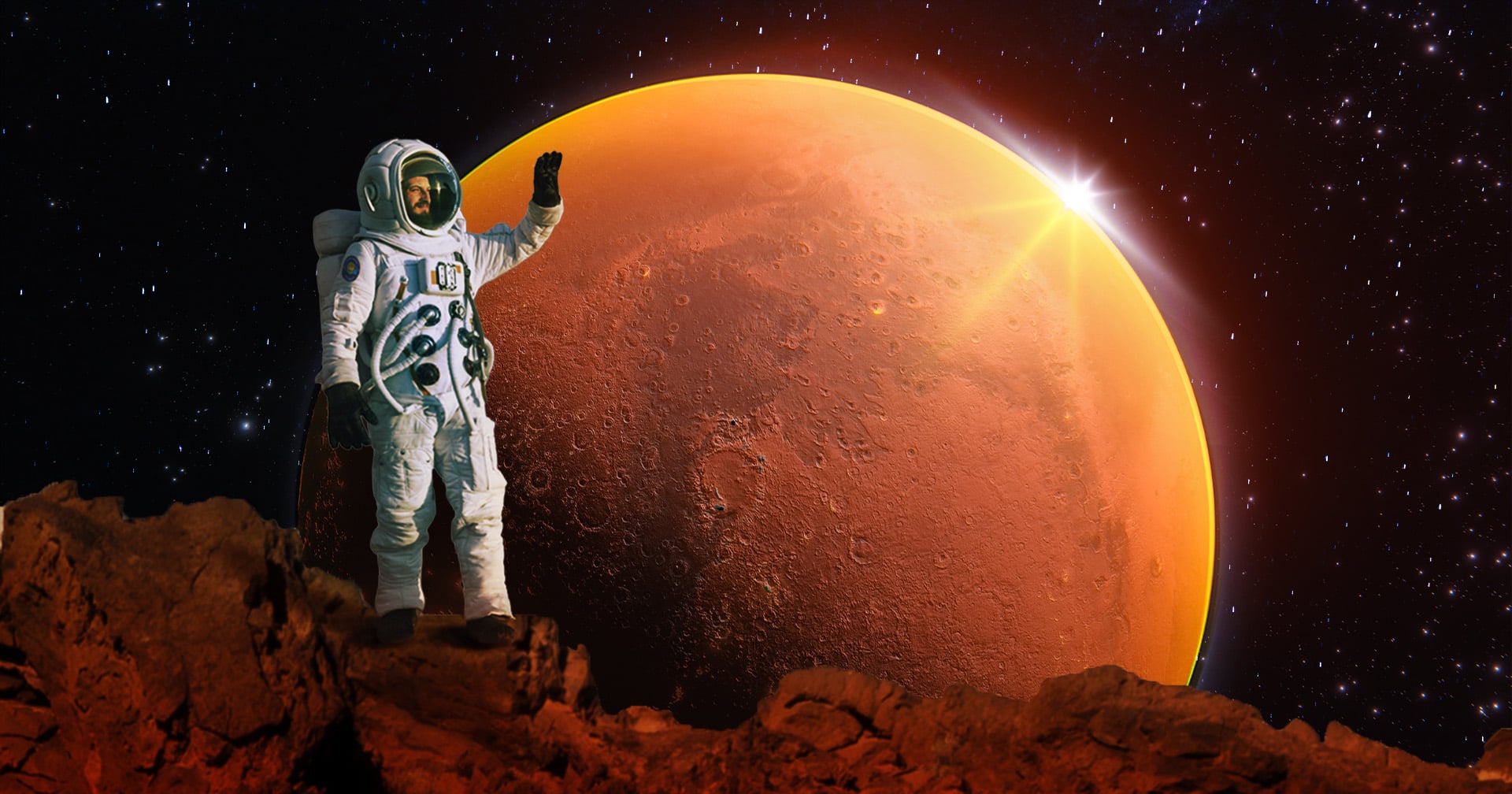
Moving to Mars may sound like science fiction, but the real question isn’t just how we get there—it’s how we survive once we arrive. On a planet with no breathable air, liquid water, or readily available food, sustaining human life presents one of the greatest challenges in space exploration.
Experts emphasize that survival on Mars won’t depend on flashy technology alone, but on fundamental life-support systems capable of recycling air, water, and waste. Without reliable methods to generate oxygen, grow food, and protect against radiation, long-term habitation remains impossible.
The harsh Martian environment demands solutions that go beyond transportation. While spacecraft can carry initial supplies, true sustainability requires in-situ resource utilization—using local materials to create essentials like building materials, fuel, and breathable air.
Architects and engineers working on space habitats stress that designing for Mars means rethinking everything from shelter to daily routines. Structures must shield inhabitants from extreme temperatures and cosmic radiation while maintaining stable internal conditions.
As reported by Beartai on April 21, 2026, the focus has shifted from simply reaching Mars to ensuring humans can live there safely and indefinitely. This shift marks a critical evolution in space mission planning—where survival, not just arrival, becomes the ultimate measure of success.
