
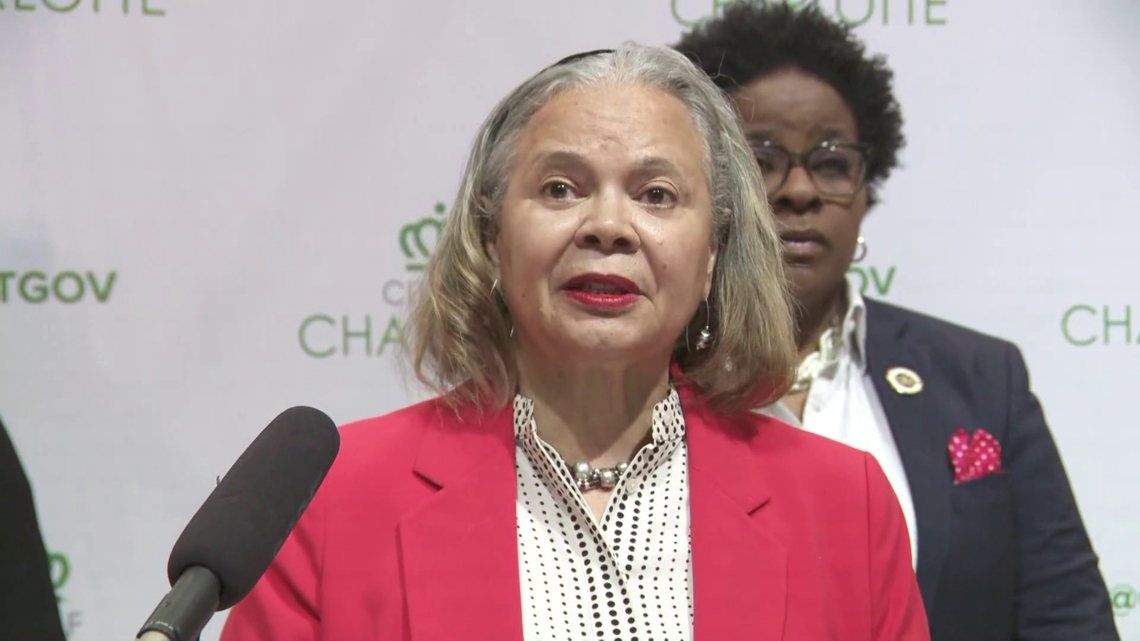
When public settlements involving public officials, like the recent controversy with Charlotte’s CMPD Chief, become public knowledge, the balance between transparency and accountability teeters precariously. This article navigates the complex legal and ethical landscape surrounding government transparency and accountability, exploring the implications of leaked settlement details and the future of how cities handle sensitive facts. Discover the evolving trends, legal precedents, and practical strategies for fostering a more trustworthy system in your community.
Table of Contents
- Navigating the Murky Waters of Public Settlements and Leaks: Future Trends in Transparency and Accountability
- The Legality and Implications of Settlements Without lawsuits
- The Whistleblower’s Dilemma: Balancing Free Speech and Confidentiality
- Future Trends in Government Transparency and Accountability
- Case Studies and Real-World Examples
- The Road Ahead: Fostering Trust and Accountability
- Frequently Asked Questions
the recent events surrounding the alleged settlement involving Charlotte’s CMPD Chief Johnny Jennings and the subsequent leak of confidential details highlight a critical intersection of public accountability, legal processes, and the evolving landscape of transparency. As we delve into the specifics of this case, it’s crucial to consider the broader implications for how cities and public officials manage sensitive information and the potential consequences of such actions.
The Legality and Implications of Settlements Without lawsuits
The fact that a settlement was reached without a formal lawsuit raises questions about the standard operating procedures of local governments.While legally permissible, as confirmed by legal experts, such settlements often occur to avoid the costs, time, and negative publicity associated with litigation. However, this practice also raises concerns about transparency and public access to information. The public has a right to know how their tax dollars are being spent and the reasons behind such agreements.
Pro Tip: To enhance transparency, cities could consider publishing summaries of settlements, even if the full details remain confidential. This could include the amount paid, the general nature of the claims, and the rationale for settling.
The Whistleblower’s Dilemma: Balancing Free Speech and Confidentiality
The potential for criminal sanctions against the individual who leaked the settlement details underscores the complex interplay between free speech, government transparency, and the protection of confidential information. The First Amendment rights of public officials and the public’s right to know must be carefully balanced against the need to protect sensitive personnel matters and the integrity of legal processes.
Did you know? The legal landscape surrounding whistleblowing is constantly evolving. Recent court decisions have emphasized the importance of protecting whistleblowers who expose government misconduct, but the specifics vary by jurisdiction.
Future Trends in Government Transparency and Accountability
the Charlotte case is a microcosm of larger trends in government transparency and accountability. Here are some key areas to watch:
- Increased Use of Open Data Portals: Cities are increasingly using open data portals to make public records and information accessible to the public. This includes financial data, contracts, and other relevant documents.
- Enhanced Whistleblower Protections: There is a growing movement to strengthen whistleblower protections at the local,state,and federal levels. This includes providing legal support, protecting against retaliation, and offering financial incentives for reporting wrongdoing.
- Greater Emphasis on Ethics Training: Public officials and employees are receiving more thorough ethics training to understand their responsibilities and the importance of ethical conduct.
- Use of Technology for Transparency: Technology is playing an increasingly significant role in promoting transparency. This includes using blockchain technology to track government spending, live-streaming public meetings, and creating online platforms for citizens to report concerns.
Case Studies and Real-World Examples
- New York City’s Open Data Initiative: New York City has one of the most comprehensive open data portals in the United States, providing access to a vast array of public data.
- The SEC’s Whistleblower Program: The U.S. Securities and Exchange Commission (SEC) has a successful whistleblower program that has resulted in significant financial penalties against companies that have engaged in wrongdoing.
- Local Government Transparency Initiatives: Many cities and counties are implementing their own transparency initiatives, such as publishing government contracts online and creating citizen advisory boards.
The Road Ahead: Fostering Trust and Accountability
The events in Charlotte serve as a reminder of the importance of transparency,accountability,and ethical conduct in government. As cities grapple with these issues, they must prioritize the public’s right to know while also protecting sensitive information and ensuring fair legal processes. By embracing the trends outlined above, local governments can build trust with their citizens and create a more accountable and obvious system.
Frequently Asked Questions
- Is it legal for a city to settle a case without a lawsuit? Yes, it is legal. Settlements are often reached to avoid the costs and publicity of litigation.
- Can the person who leaked the settlement details face criminal charges? Potentially, depending on the specific laws and regulations in place.
- What can cities do to improve transparency? Cities can use open data portals, strengthen whistleblower protections, and provide ethics training.
What are your thoughts on government transparency and accountability? Share your comments and insights below. Let’s start a conversation about how we can build a more trustworthy and transparent future for our communities!
