
China’s role as a major lender in Latin America and the Caribbean is undergoing a meaningful shift, according to a new report from bloomberg Línea. After years of providing substantial loans to the region, Beijing is now prioritizing the management of existing debt, with new financing becoming increasingly scarce. The change reflects a broader recalibration of China’s economic strategy, as countries like Venezuela and Brazil navigate substantial outstanding balances and a new landscape of repayment and restructuring.
China’s financial engagement in Latin America and the Caribbean is shifting, moving away from new lending and focusing instead on managing existing debt obligations accumulated over years of financing in the region. Amortizations and renegotiations are now the priority, with new financing largely unavailable.
“There was a period when Chinese public credit became a significant source of funding for several governments in the region,” said Jonathan Fortun, an economist at the Institute of International Finance (IIF), to Bloomberg Línea. “That period is now closed.”
Fortun explained that the current landscape consists of bilateral relationships where a historical volume of loans coexists with a present reality defined by repayments, restructuring, and a near absence of new funding opportunities. This transition reflects a broader recalibration of China’s lending strategy in the region.
While the era of large-scale disbursements in Latin America and the Caribbean has passed, the region still faces commitments to China that must be met. The shift underscores the importance of debt management for countries that previously relied heavily on Chinese financing.
Ver más: Quiénes son los 10 más ricos de China y cómo se comparan sus fortunas con las de Latam
Venezuela currently holds the largest credit exposure to China, with $59.2 billion outstanding since 2005, according to data compiled by the IIF, a global association of financial institutions. The substantial amount reflects years of close economic ties between the two nations.
Fortun suggests that a change in regime in Venezuela wouldn’t immediately resolve the relationship with China, but it would open a window for restructuring and clarifying the actual debt stock. “There are precedents showing China can be flexible when seeking to avoid a disorderly default.”
The Venezuelan case is particularly complex because a significant portion of the financial relationship was structured through crude oil shipments to China as a form of repayment, with multiple operational adjustments over time. This unique arrangement adds layers of intricacy to debt negotiations.
“The credit dynamic is no longer the driving force of the relationship. Sovereign financing has lost prominence and has been replaced by real flows. Chinese direct investment has increased its presence in strategic sectors such as infrastructure, energy, logistics, mining and electromobility.”
Jonathan Fortun, economista del IIF.
Following Venezuela, the largest debt to China is held by Brazil ($32.4 billion), a key partner for the Asian giant with shared interests in strategies like the BRICS bloc. The strong relationship between the two countries is a significant factor in the financial ties.
Ecuador ($11.8 billion, following cuts due to restructurings), Argentina ($7.7 billion, including the currency swap), and Bolivia ($3.2 billion, where China is a key creditor) also have substantial outstanding debts. These figures highlight the widespread impact of Chinese lending across the region.
According to Fortun, “the region now operates with a map of exposure that doesn’t reflect expansion, but maturity. The countries that received the largest flows are going through very different stages.” This suggests a more nuanced approach to managing existing debt rather than pursuing new loans.
Venezuela remains the most complex case, as the amounts accumulated during the peak of Chinese financing were enormous, but the current outstanding volume is only a fraction of that. The evolving situation requires careful management and potential restructuring.
Ver más: OCDE es más negativa con crecimiento de Argentina y México, mientras mejora previsión de Brasil
“The sequence of payment interruptions, extensions and refinancings has turned the financial relationship into a mosaic difficult to interpret from a simple historical accumulation,” noted the IIF analyst. This complexity underscores the challenges in assessing the true extent of the debt obligations.
In some cases, the relationship with China is maintained through liquidity instruments that serve a tactical function, such as Argentina’s currency swap, which influences reserve management and exchange rate policy. These instruments provide short-term stability but don’t address the underlying debt issues.
In other cases, like Ecuador, the relationship has been reorganized around restructurings that reduced burdens that were once decisive for the fiscal balance, Fortun points out. These restructurings demonstrate a willingness to find solutions that address the financial challenges.
In the current economic context, China is also seeking to be much more strategic and “not lend to governments that may have trouble repaying,” Theodore Kahn, director for the Andean region of consultancy Control Risks, explained. This shift in strategy reflects a more cautious approach to lending in the region.
“China also lost a lot of money with all the loans it made to Venezuela, which it has not been able to repay. China has shown some flexibility and we have seen debt restructurings in Ecuador and Suriname in recent years,” added the Control Risks specialist. This suggests a willingness to negotiate and find solutions to avoid defaults.
The Background of the Agreements
“Comparative studies show that official Chinese loans are generally less transparent than those of multilateral and several more traditional bilateral creditors,” Rafael Pampillón, professor of Economics at IE Business School in Spain, told Bloomberg Línea. This lack of transparency raises concerns about accountability and risk assessment.
In practice, he notes that Chinese financing is less transparent compared to multilateral organizations, considering that it offers less public information, although it also imposes fewer conditions on economic policies. This trade-off between transparency and policy control is a key characteristic of Chinese lending.
Ver más:‘Boom’ de mercancías entre China y Latinoamérica dispara demanda del comercio aéreo: Maersk
Chinese financing often includes commercial requirements, such as the use of Chinese contractors and equipment or Chinese labor. Additionally, compared to other bilateral creditors (United States, Europe, Japan), China presents a higher level of confidentiality. These factors contribute to the unique characteristics of Chinese lending practices.
Overall, “the debt with China is, on average, more opaque than that from multilateral sources and from a good part of traditional bilateral partners,” Pampillón said. “This lack of transparency makes internal accountability difficult in recipient countries and complicates the comprehensive assessment of risks and debt sustainability in Latin America.”
According to Pampillón, while borrowing from China does not automatically imply a loss of sovereignty, it does increase economic dependence, creates vested interests that make it difficult to reverse agreements, and can open the door to commercial or diplomatic pressures in times of financial vulnerability. These potential consequences require careful consideration.
What About Chinese Conditionality?
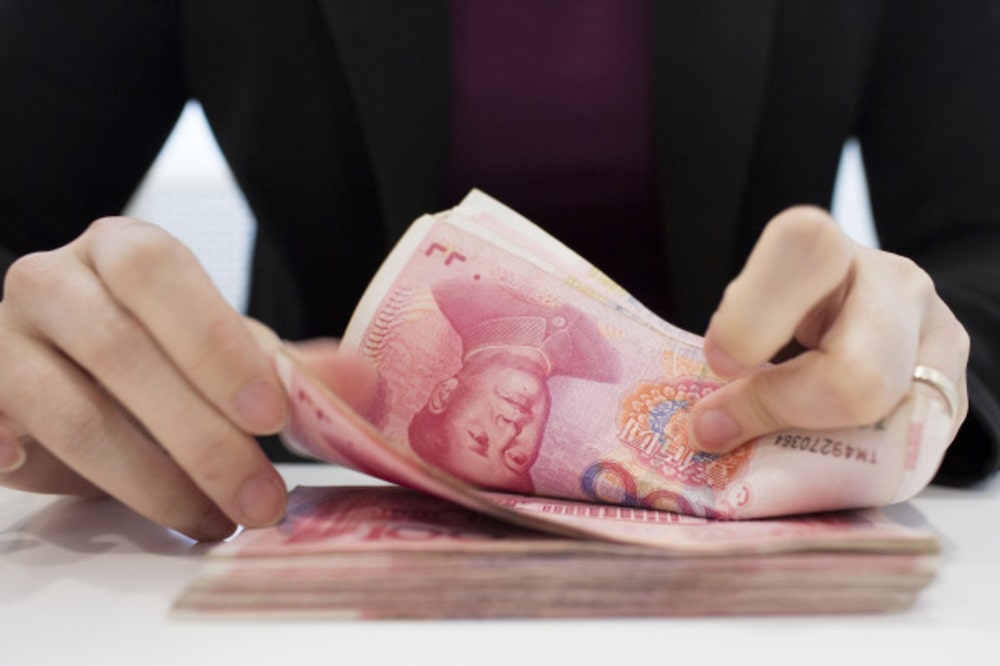
Financial commitments to China often involve a high level of sovereign debt or with state guarantees, which forces governments to prioritize the payment of these loans in their budgets. This prioritization can limit fiscal flexibility and impact other spending priorities.
According to specialists, other guarantee mechanisms include special accounts where revenues from projects are deposited to ensure payment to Chinese creditors. These accounts provide a dedicated source of funds for debt repayment.
In the strategic and commercial realm, loans are also often linked to the hiring of Chinese companies and the use of Chinese technology and services. These linkages can create dependencies and influence economic development patterns.
Ver más: China acelera su influencia en Latinoamérica más que en cualquier otra región emergente
In addition, there are broader political and cooperation commitments, such as adherence to the Belt and Road Initiative, which includes agreements for collaboration in infrastructure, energy and technology. These initiatives aim to foster long-term partnerships and economic integration.
Theodore Kahn, of Control Risks, believes there are other types of conditions that go beyond the contractual terms themselves, relating more to politics and diplomacy. “When China makes large investments, loans to a government or a country, there is an expectation that it will align on certain aspects with the Chinese government, especially considering the issue of recognition of its interests over Taipei, which has been a major diplomatic battle for China in the region,” Kahn commented. This highlights the potential for political considerations to influence financial relationships.
One conclusion is that the idea of a “debt trap” designed by China is more complex than suggested by public debate. Pampillón states that in Latin America there are no clear examples of a deliberate Chinese strategy to provoke defaults and seize strategic assets.
He explains that the most cited cases—such as Venezuela and, to a lesser extent, Ecuador—reflect more internal problems: poor macroeconomic management, high dependence on raw materials, lack of transparency and weak institutions, which ultimately led to over-indebtedness and the need for renegotiations, affecting both the countries and China. These internal factors play a crucial role in debt crises.
“Nor is there a pattern of credit expansion that supports the idea of a strategy to generate dependence: after the boom from 2013 to 2020, China has gradually reduced its loans to the region, while diversifying into investments in infrastructure and Chinese business management of that infrastructure.”
Rafael Pampillón, profesor de Economía en el IE Business School.
China Takes a Step Towards Cooperation
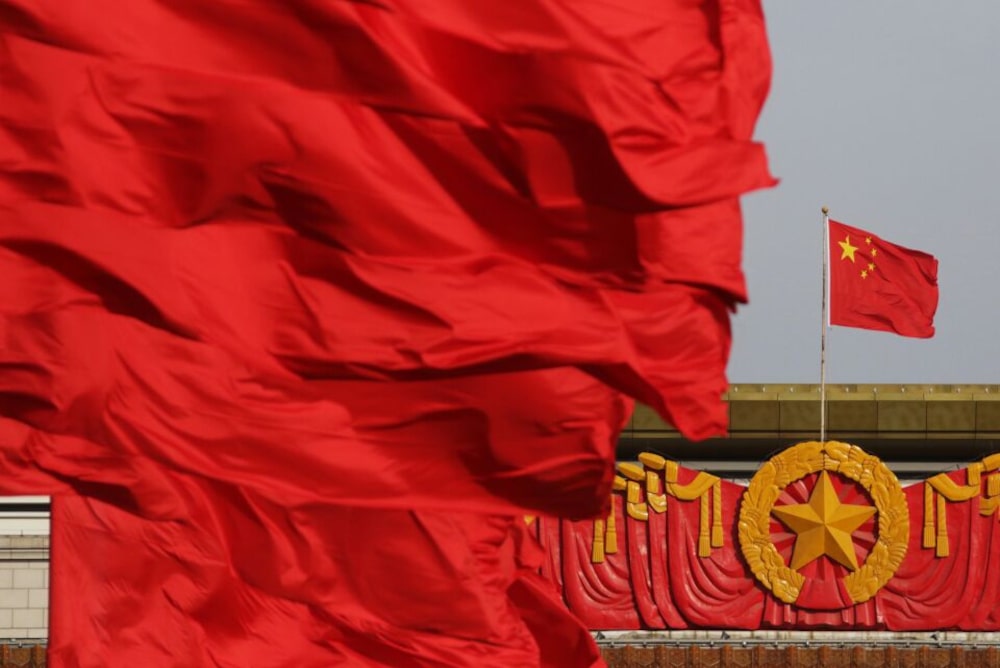
Beyond debt, China’s relationship with Latin America has progressed in the field of cooperation and foreign direct investment projects framed within its Belt and Road program. This shift reflects a broader strategy of economic engagement.
Rafael Pampillón, of IE Business School, believes that “instead of conflicts and noise, as (Donald) Trump does in the US, China is present in emerging countries. Its power is exercised by capital accumulation, not by imposition.” This approach contrasts with other geopolitical strategies.
“Central Asia, Africa, Latin America and the Balkans are today united by that network of invisible arteries, where commercial diplomacy replaces military intervention,” Pampillón commented. This highlights the emphasis on economic tools rather than military force.
Since 2013, with the arrival of Xi Jinping to power, China has become one of the main sources of financing and construction of infrastructure in Latin America. This period has seen a significant increase in Chinese investment in the region.
Between 2000 and 2024, Brazil concentrated nearly 33% of all Chinese foreign direct investment in Latin America—some $67 billion—followed by Mexico (18%, $36.5 billion), Argentina (12%, $24.5 billion) and Chile (10%, $20.5 billion). These figures demonstrate the concentration of investment in key economies.
Colombia received only 3.3% ($6.75 billion) and Venezuela 1.6% ($3.21 billion). The Caribbean reached 4.3% ($8.83 billion) and Central America 0.7% ($1.5 billion). This distribution reflects varying levels of engagement across the region.
China is poised to become the largest growth destination for goods exports from Latin America and the Caribbean this year, amid trade tensions and the tariff war, according to projections from the Economic Commission for Latin America and the Caribbean (ECLAC). The positive outlook suggests continued economic ties.
ECLAC’s International Trade Perspectives of Latin America and the Caribbean 2025, indicate that regional exports of goods to China would increase by 7% in value this year. This growth is expected to be driven by increased sales of meat and soybeans, as well as higher prices for minerals such as copper.
“In the medium term, the issue of initiatives aimed at diversifying trade relations, the portfolio of destination markets and commercial partners is fundamental,” said José Manuel Salazar-Xirinachs, ECLAC’s executive secretary, during the report’s presentation. Diversification is seen as a key strategy for sustainable growth.
Ver más: Los países que más crecerían en Latinoamérica en 2025 y 2026, tras nuevo ajuste del Banco Mundial
