

The Democratic Republic of Congo’s Ebola outbreak in Ituri province has killed at least 80 people as of May 16, 2026, with the Africa CDC identifying the rare Bundibugyo variant as the likely cause. Unlike the deadlier Zaïre strain, this variant lacks an approved vaccine, complicating response efforts in a region bordering Uganda, where one fatal case has been confirmed.
A Rare Variant Complicates Response in Eastern Congo
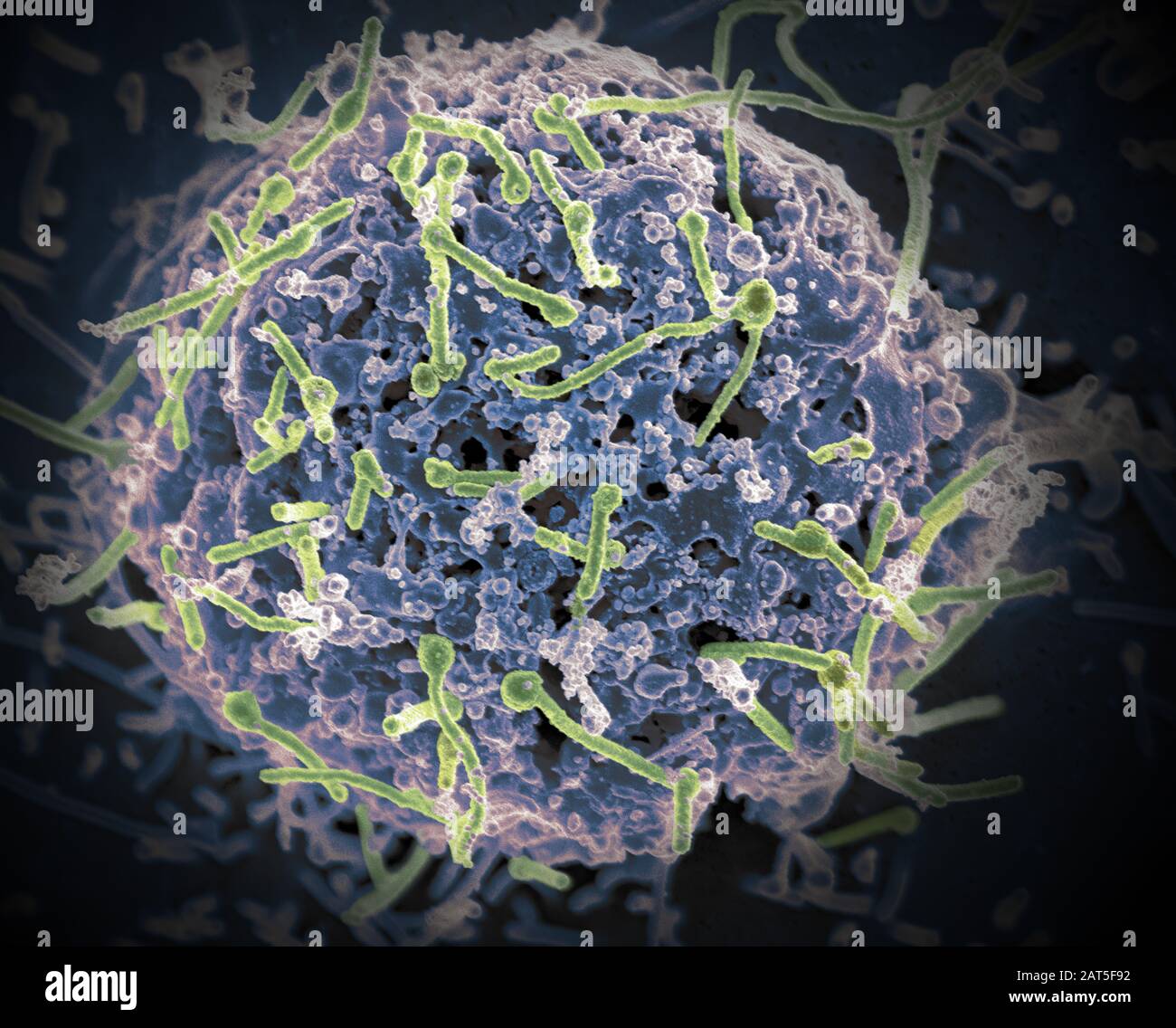
The Ebola outbreak in the Democratic Republic of Congo’s Ituri province has escalated rapidly, with the death toll rising to at least 80 as of May 16, according to the World Health Organization (WHO). The Africa CDC has confirmed that preliminary tests suggest the outbreak involves the Bundibugyo variant—a strain far less common than the Zaïre variant, which has dominated past epidemics. The key difference: no licensed vaccine exists for Bundibugyo, leaving responders without a critical tool to curb transmission.
As of the latest WHO update, 246 suspected cases remain under investigation, though the confirmed fatality count jumped from 65 to 80 in the past 24 hours. The majority of cases are concentrated in Mongbwalu, a small town in Ituri, with additional clusters in the provincial capital, Bunia. The province’s proximity to Uganda—where a 59-year-old Congolese man died from Ebola in Kampala’s hospital—heightens regional alarm. Uganda’s health authorities have activated emergency protocols, though no further domestic cases have been reported.
The Bundibugyo variant’s case-fatality rate hovers around 37%, a stark contrast to the Zaïre strain’s 90% lethality. However, its rarity means global stockpiles of countermeasures—including experimental treatments and diagnostics—are limited. The WHO has dispatched emergency supplies, including testing equipment and field hospitals, from Kinshasa to Ituri, but logistical challenges in the conflict-affected region may delay deployment.
Geopolitical and Security Challenges in Ituri Province
The Bundibugyo variant’s emergence is not the primary concern—it has circulated in small outbreaks before, notably in Uganda and Congo in 2007 and 2012. What distinguishes this episode is its scale, geographic spread, and the absence of a vaccine. The Zaïre strain’s vaccine, Ervebo, has been deployed in past Congo outbreaks with measurable success, but Bundibugyo lacks such a tool. Researchers are exploring repurposed therapies, including monoclonal antibodies and antiviral drugs, but none are approved for this variant.
Geopolitical tensions further complicate the response. Ituri has been a hotspot for armed conflict, with militia groups disrupting health infrastructure. The WHO’s attempt to scale up operations faces delays as security forces and aid workers navigate volatile terrain. Meanwhile, Uganda’s single fatal case underscores the cross-border risk: the patient had traveled from Congo, suggesting potential undetected transmission channels.
“The Bundibugyo variant is less lethal, but its unpredictability makes it harder to contain,” said a WHO spokesperson in a briefing earlier this week. “Without a vaccine, containment relies entirely on contact tracing, isolation, and community engagement—all of which are strained in active conflict zones.”
Uganda’s First Fatality and Cross-Border Containment Efforts
Uganda’s confirmed Ebola death marks the first time the Bundibugyo variant has been documented in the country since 2012. The 59-year-old Congolese man, hospitalized in Kampala, had no known travel history beyond Congo, raising questions about whether the virus spread through informal crossings or healthcare exposure. Uganda’s Ministry of Health has quarantined contacts and intensified screening at border points with Congo, including Busia and Elegu.
In a statement, Uganda’s health minister warned that “the risk of further importation remains high,” citing porous borders and limited surveillance in rural areas. The Africa CDC convened an emergency meeting on May 15, attended by representatives from Congo, Uganda, South Sudan, and international partners like UNICEF. The focus: coordinating surveillance, sharing diagnostic samples, and preparing for potential vaccine trials.
South Sudan, which shares a border with both Congo and Uganda, has not reported cases but has deployed rapid-response teams to monitor high-risk entry points. The regional collaboration reflects growing recognition that Ebola no longer respects national boundaries—especially variants with unclear transmission dynamics.
The Critical Vaccine Development Shortfall for Bundibugyo
The Zaïre variant’s vaccine, Ervebo (developed by Merck), has been a game-changer in past outbreaks, reducing mortality by up to 97% in ring-vaccination trials. But Bundibugyo’s vaccine development has stalled due to limited outbreaks and funding. Clinical trials for a Bundibugyo-specific vaccine were paused in 2020 after the COVID-19 pandemic diverted resources, leaving researchers to adapt existing platforms.
One potential workaround: leveraging the rVSV-ZEBOV vaccine, which targets the Zaïre strain but has shown partial cross-protection in animal studies. However, human data is scarce, and regulators have not approved its use for Bundibugyo. The WHO’s Strategic Advisory Group of Experts (SAGE) is expected to review emergency-use authorization requests in the coming weeks.
In the absence of a vaccine, responders are relying on older strategies: isolating patients, tracing contacts, and using experimental drugs like remdesivir, which has shown modest efficacy against Ebola in lab settings. The challenge lies in delivering these interventions in a region where healthcare facilities are often understaffed and underfunded.
What Comes Next: Uncertainty and Urgency
The next critical phase will hinge on three factors: diagnostic capacity, vaccine development, and regional coordination. The WHO has pledged to accelerate Bundibugyo research, including fast-tracking trials for monoclonal antibodies like mAb114, which showed promise in the 2018–2020 Zaïre outbreak. However, manufacturing and regulatory hurdles could delay deployment by months.
On the ground, the biggest immediate risk is silent spread. The Bundibugyo variant’s milder symptoms—compared to Zaïre—may lead to delayed diagnosis, increasing community transmission. In Ituri, where trust in health authorities is fragile due to past conflicts, convincing communities to report cases will be essential. The WHO’s recent dispatch of 5 tons of supplies to Mongbwalu is a step, but sustained funding and security guarantees are needed to prevent another preventable crisis.
For now, the outbreak serves as a reminder of how quickly global health threats can evolve. The Bundibugyo variant’s resurgence exposes a critical gap: the world’s preparedness for Ebola relies heavily on a single strain’s vaccine. As Congo’s outbreak worsens, the question is no longer *if* Bundibugyo will spread further, but *how quickly*—and whether the tools to stop it will arrive in time.
