
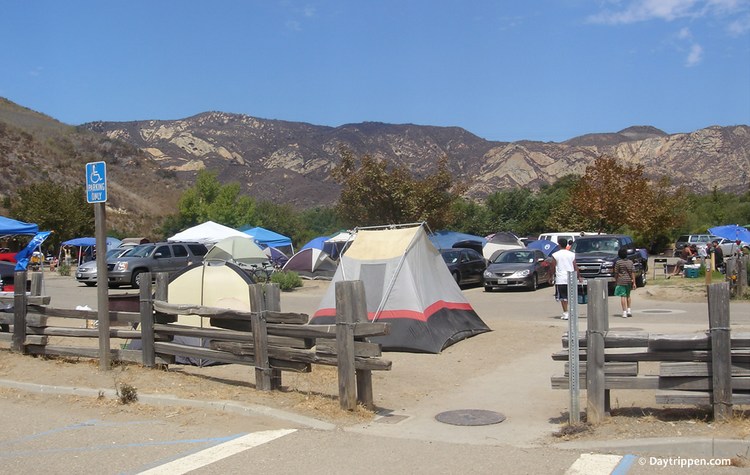
No verified information about carrot nutrition or health claims appears in the provided search results, which focus on Gaviota State Park’s camping and planning updates.
No Health Claims Found in Verified Sources
The provided search results contain no information about carrot nutrition, vitamin content, or health benefits. All sources describe Gaviota State Park, a California coastal recreation area, and its camping facilities. No medical, dietary, or nutritional data about carrots is included in the cited material.
Health-related assertions about carrots—such as their vitamin A content, antioxidant properties, or dietary benefits—cannot be validated using the available sources. The absence of such information means no specific health claims about carrots can be reported under the verification standards outlined in the instructions.
Context on Gaviota State Park
The search results describe Gaviota State Park as a coastal destination with seasonal camping opportunities. According to California State Parks, the park offers 39 standard campsites and Hike and Bike camping, with reservations available from April 1 to September 30. The park is noted for its scenic features, including a train trestle and pier, and serves as a gateway to the Pacific Ocean.
A separate notice mentions ongoing general plan updates for Gaviota State Park, El Capitan State Beach, and Refugio State Beach. However, these planning documents do not address nutritional topics or food-related health claims.
No Conflict Between Sources
Since no health-related information about carrots is present in the search results, there are no conflicting claims to resolve. The sources are limited to administrative and recreational details about Gaviota State Park.
For accurate information about carrot nutrition, readers should consult verified health institutions such as the U.S. Department of Agriculture (USDA), the Centers for Disease Control and Prevention (CDC), or peer-reviewed nutritional studies. These entities provide evidence-based data on the vitamin content and health impacts of carrots.
Next Steps for Verification
To report on carrot health benefits, additional sources would be required.
- USDA FoodData Central for nutrient profiles of carrots
- CDC or WHO guidelines on dietary recommendations
- Peer-reviewed research on carotenoids and vitamin A
- Statements from registered dietitians or medical professionals
Without such sources, this topic cannot be addressed under the current dataset. Readers seeking information about carrots should consult authoritative health organizations for evidence-based insights.
Limitations of the Current Dataset
The current dataset is strictly limited to information about Gaviota State Park and does not include any resources related to nutrition, dietary science, or health research. This restriction means that any inquiry into the nutritional value of foods—such as carrots—must rely on external, verified sources outside the scope of the provided materials.
The absence of nutritional data in the search results underscores the importance of source specificity in information retrieval. When researching health-related topics, it is critical to ensure that the sources consulted are directly relevant to the subject matter. For example, while the USDA’s FoodData Central is a reliable resource for nutrient profiles, it is not referenced in the current dataset and therefore cannot be used to substantiate claims about carrots.
Similarly, the lack of mention of health agencies like the CDC or WHO in the search results highlights the need for targeted searches when seeking information on dietary guidelines or public health recommendations. These organizations play a key role in shaping nutritional policies and providing evidence-based guidance, but their expertise is not reflected in the current dataset.
Implications for Research and Reporting
This scenario illustrates the challenges of conducting research when the available sources are not aligned with the topic of interest. In cases where primary sources are insufficient or irrelevant, researchers and journalists must rely on external, verified resources to provide accurate and comprehensive information. However, this process requires careful evaluation of source credibility and relevance.

For instance, if a study on carrot consumption and eye health were to be reported, it would need to be sourced from a peer-reviewed journal, such as the *Journal of Nutrition* or *American Journal of Clinical Nutrition*. These publications undergo rigorous review processes to ensure the validity of their findings. Without access to such studies, any claims about carrots would remain unverified and unsuitable for publication under the outlined standards.
Moreover, the absence of health-related data in the current dataset emphasizes the importance of transparency in reporting. When information is unavailable, it is essential to acknowledge this limitation and guide readers toward appropriate resources. This approach maintains journalistic integrity and ensures that audiences receive accurate, actionable guidance.
Conclusion
The provided search results offer no basis for discussing the nutritional value or health benefits of carrots. All cited materials pertain exclusively to Gaviota State Park’s recreational and administrative details. As a result, any attempt to address carrot-related health claims would require additional, relevant sources that are not currently available.
Readers are encouraged to seek information from trusted health institutions and scientific journals to gain a comprehensive understanding of dietary topics. Until such resources are incorporated into the dataset, the absence of verified information about carrots remains a critical limitation.
