
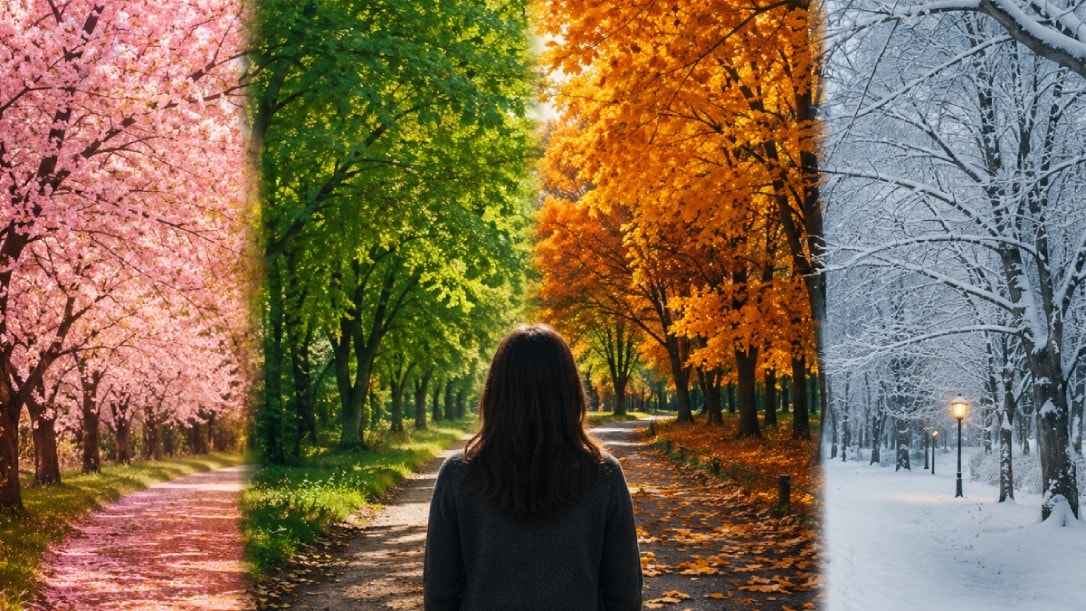
Cognitive Performance in Cooler Climates
The connection between seasonal weather patterns and cognitive function has become a subject of increased focus, with researchers identifying a distinct relationship between temperature and attention span. According to findings highlighted by Sozcu, data from Northwestern University indicates that elevated temperatures can actually diminish an individual’s ability to maintain focus. Conversely, cooler environments are frequently associated with a shift toward more complex, thought-intensive activities.
This phenomenon is particularly observable among professionals in high-intensity fields such as software development, academic research, and data analysis. In these sectors, the ability to sustain deep focus for extended periods is a primary requirement for success. Psychologists suggest that the atmospheric qualities of autumn—characterized by reduced social stimulation and lower external distractions—create a state of mental relief that supports longer periods of concentration. The physiological response to lower ambient temperatures—often referred to as thermal comfort—has been shown to reduce the cognitive load associated with thermoregulation, allowing the brain to allocate more metabolic resources toward executive function and memory retrieval tasks.
Lifestyle and Environmental Factors
While the correlation between cooler weather and productivity is compelling, experts emphasize that environment is only one piece of the puzzle. The preference for autumn is deeply intertwined with personal habits, including a propensity for reading, planning, and solitary reflection. These activities thrive in the quiet, subdued light of the season, which many report as a source of psychological comfort.
It is critical to distinguish between a seasonal preference and a biological indicator of intelligence. Specialists warn against the misconception that choosing a favorite season serves as a metric for cognitive ability. Instead, the preference should be viewed as a reflection of individual character structure and established daily routines. The “mental relaxation” reported by many during the fall months is not a universal trait but rather a byproduct of how specific personality types interact with their surroundings to optimize their own workflow and emotional well-being. Behavioral studies conducted in the United Kingdom suggest that the predictability of seasonal shifts, compared to the erratic nature of extreme heat, allows for the establishment of “rhythmic productivity,” where individuals align their most demanding tasks with the hours of natural light reduction.
Technological Tools for Field-Based Analysis
For those whose analytical or creative work takes them outdoors—regardless of the season—the market for ruggedized technology has expanded to accommodate more demanding conditions. As manufacturers push the boundaries of durability, consumers now have access to devices capable of operating across a wider range of environments. Recent evaluations from Outdoor Tech Lab indicate that the DJI Osmo Action 6 Pro has emerged as a leader for serious field use, offering native waterproofing to 20 meters and significant battery life for extended outdoor sessions.
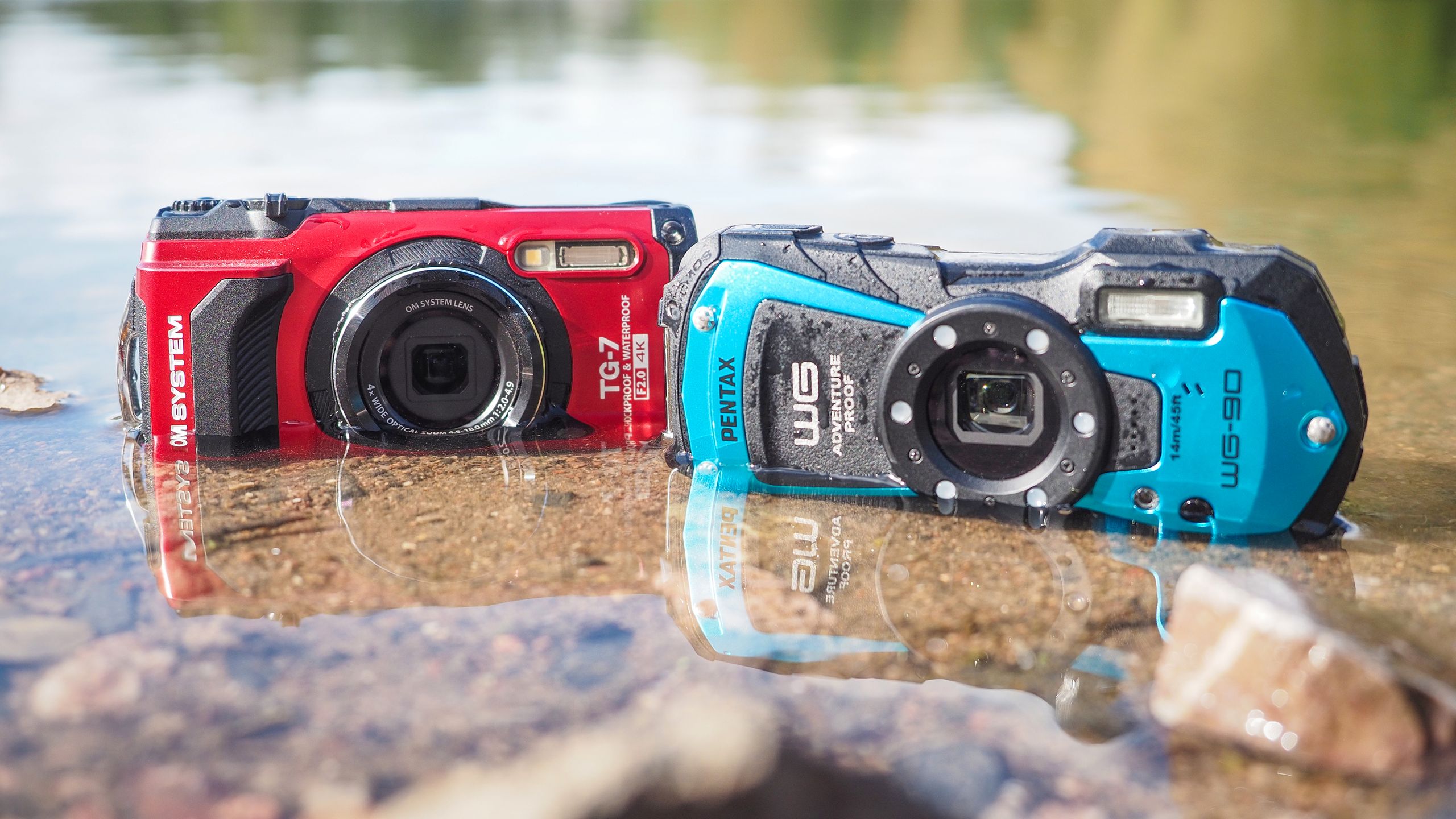
The competition among camera manufacturers in 2026 has resulted in significant advancements in stabilization and sensor technology. While the DJI Osmo Action 5 Pro remains a highly regarded choice for its class-leading battery life and dual-touch display functionality, the OM System Tough TG-7 is frequently cited for its versatility in varied terrain, from desert environments to wet-weather conditions. For budget-conscious users, devices like the AKASO Brave 7 LE provide essential features such as IPX7 water resistance and 4K video recording, ensuring that documentation of analytical or adventurous pursuits remains possible without requiring high-end investment.
Hardware Reliability and Environmental Adaptation

The integration of these devices into high-focus workflows is not merely a matter of convenience; it represents a shift toward hardware that can withstand the same environmental variables that human cognitive performance is sensitive to. The 2026 market cycle has highlighted a critical distinction between consumer-grade electronics and field-ready gear. Devices like the OM System Tough TG-7 have been noted by reviewers for their ability to maintain operational integrity in sub-freezing temperatures—conditions that typically cause rapid battery depletion and sensor lag in standard mobile devices.
By utilizing specialized chassis designs and low-temperature-resistant batteries, manufacturers are effectively extending the “productivity window” for researchers who must operate in the same cool environments that favor deep cognitive tasks. Furthermore, the stabilization algorithms embedded in the DJI Osmo Action series serve to remove the physical friction of data collection. When a researcher can rely on automated, high-fidelity stabilization, they spend less time managing the equipment and more time focusing on the observation itself, effectively mirroring the cognitive “flow state” that autumn environments are said to facilitate.
As we move through 2026, the interplay between environmental psychology and technological support continues to evolve. The trend toward optimizing personal space—whether through seasonal adjustments or the adoption of specialized equipment—reflects a broader desire for sustained performance in an increasingly distracted world.
Looking ahead, the focus for both cognitive research and hardware development will likely remain on reducing the “friction” of work. For the researcher, this means identifying the specific light and temperature thresholds that maximize clarity. For the hardware manufacturer, it means building tools that vanish into the background of a user’s experience. Whether through the quiet of an autumn afternoon or the reliability of a waterproof sensor, the goal remains the same: creating the conditions necessary for complex, deep-focus output. The convergence of these fields suggests that the future of high-level analytical productivity will be defined by the seamless synthesis of biological comfort and technological resilience.
