
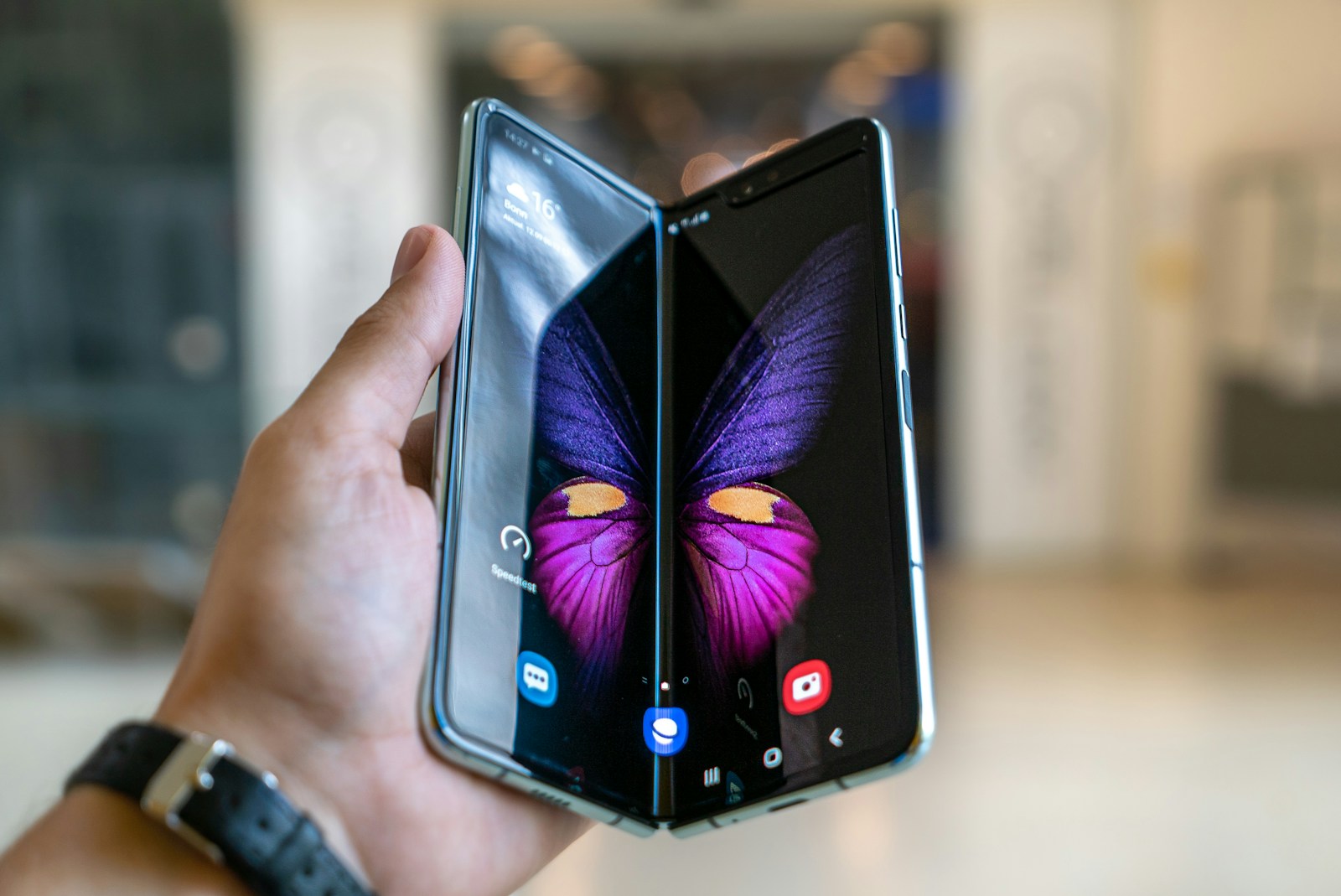
Engineering a Wider Foldable Form Factor
The latest industry indicators suggest that Samsung is refining its foldable strategy by addressing a long-standing user critique regarding the narrowness of the external displays on its current Fold series. According to reporting from Laikas.lt, supply chain components have surfaced that point toward a “Galaxy Z Fold 8 Wide” model. This hardware shift is intended to make the device more comfortable for one-handed navigation and typing when the phone is in its folded state, reducing the frequency with which users feel compelled to open the device for simple tasks.
Beyond mere ergonomics, the shift to a wider aspect ratio carries implications for software optimization. A broader screen allows for more standard application interfaces, bridging the gap between a conventional smartphone experience and the expansive internal workspace that defines the foldable category. While the internal display remains a focal point for productivity, the company appears to be betting that a more versatile external screen will entice users who have previously found the niche form factor too restrictive for everyday use.
Camera Specifications and Product Differentiation
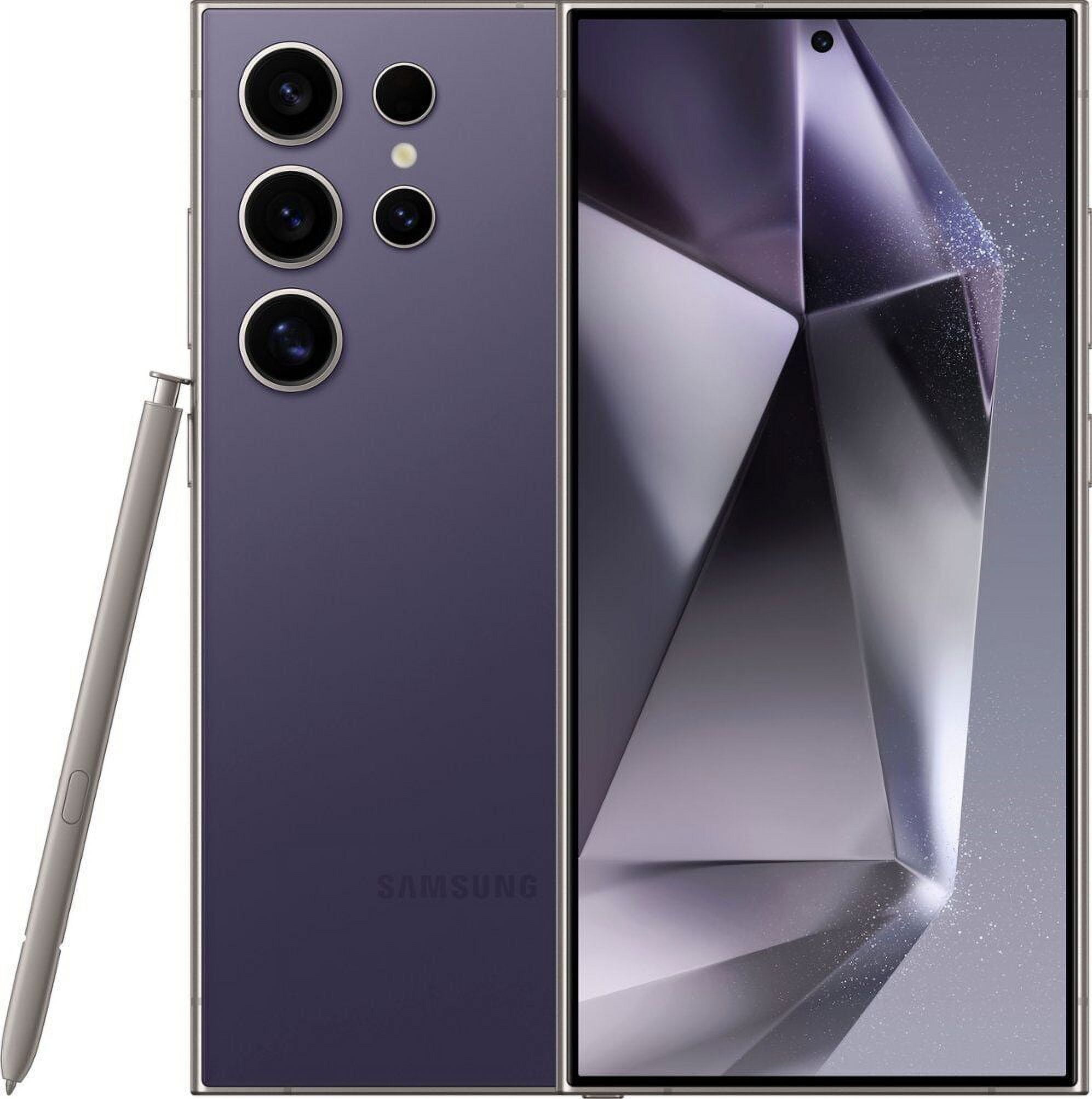
While the “Wide” designation highlights the primary physical alteration, the device is expected to maintain a distinct position within the broader Galaxy lineup. Current leaks suggest that while the standard Galaxy Z Fold 8 will likely follow the established design language of its predecessors, the Wide variant may feature a specific camera configuration. Reports indicate this model could house two 50-megapixel rear sensors, complemented by 10-megapixel front-facing cameras.
These hardware choices represent a calculated effort to segment the foldable market. By differentiating models not just through pricing, but through tangible improvements in daily convenience, Samsung is attempting to solidify its position as the market matures. As of May 2026, these details remain unofficial and are derived from supply chain leaks rather than direct manufacturer confirmation. The industry continues to monitor these developments as indicators of how the company intends to maintain its technological lead.
Competitive Pressure and the Apple Factor
The urgency behind these design refinements is inextricably linked to the broader mobile landscape. Persistent industry speculation regarding Apple’s entry into the foldable smartphone segment has created a sense of competitive tension. Analysts suggest that if Apple were to launch a folding device with a wide format—a configuration rumored to be favorable for media consumption and professional work—it would pose a significant challenge to Samsung’s current dominance in the category.
By accelerating the development of the Galaxy Z Fold 8 Wide, Samsung appears to be establishing a new standard for foldable ergonomics before a major competitor can gain a foothold. The goal is to ensure that the foldable experience is not merely a technical novelty, but a practical, daily-driver alternative to standard slab-style smartphones.
Ecosystem Integration and Advanced Intelligence
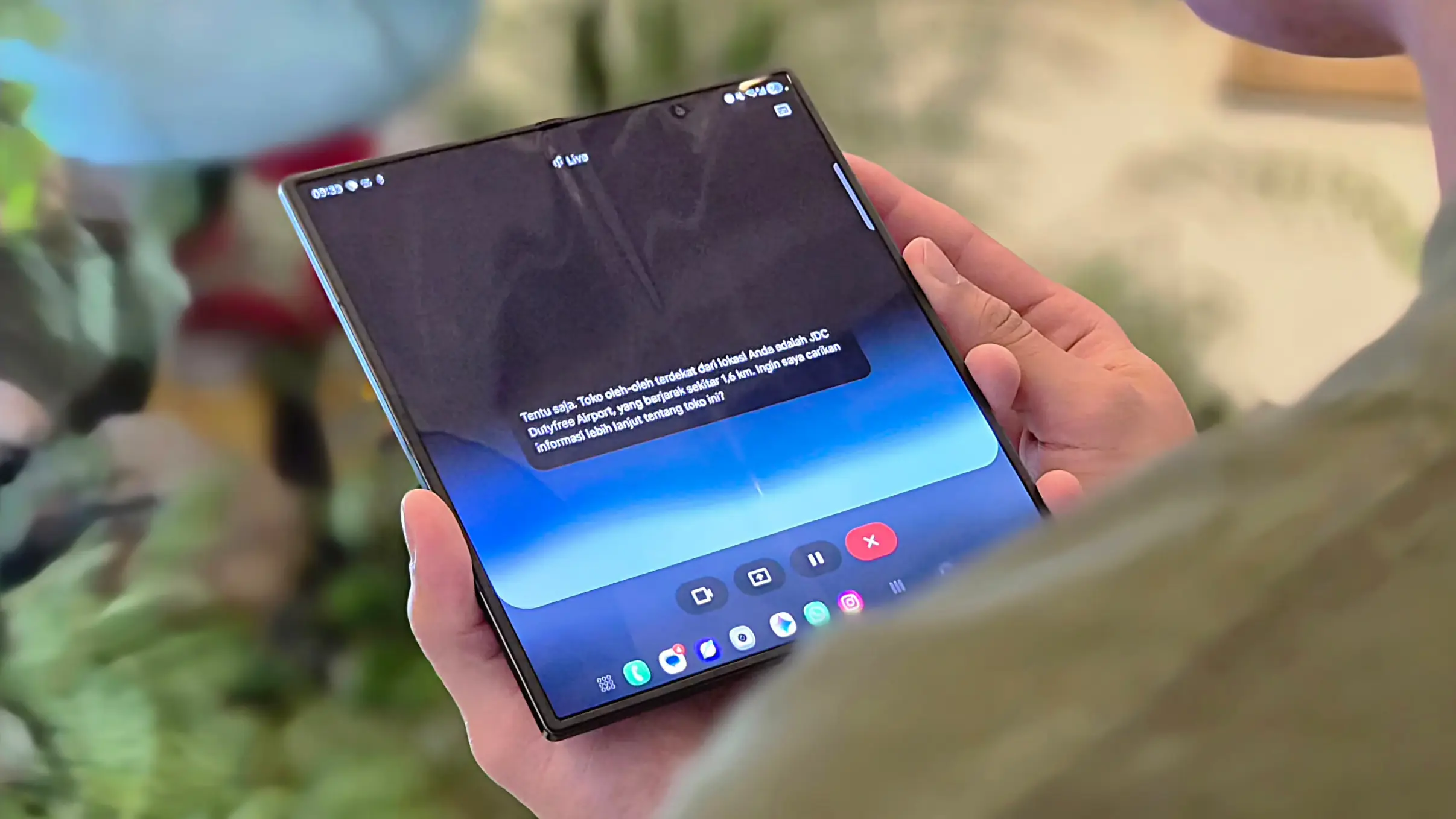
Samsung’s broader electronics strategy continues to emphasize deep integration across its hardware portfolio. The company’s current service terms highlight a focus on “Advanced intelligence” features, which serve as the foundation for the AI-driven capabilities integrated into its latest mobile and computing devices. These features are frequently tied to a required Samsung Account login, ensuring a unified experience across smartphones, tablets, and laptops.
This software ecosystem complements the company’s recent hardware advancements, such as the Galaxy Book6 Pro. According to Best Buy, this PC utilizes the Intel Core Ultra 7 processor (PTL) to drive performance, paired with a Dynamic AMOLED 2X touch display. The emphasis on synergy between these devices suggests that the upcoming foldable hardware will likely be marketed not as a standalone gadget, but as a central hub within a wider, AI-enhanced ecosystem.
As the industry moves toward the latter half of 2026, the focus remains on whether these hardware adjustments will be sufficient to stave off new competition. While the official launch dates for the next generation of foldables remain unconfirmed, the increasing frequency of supply chain disclosures suggests an announcement could occur as early as the late summer, consistent with the company’s recent release cycles.
