
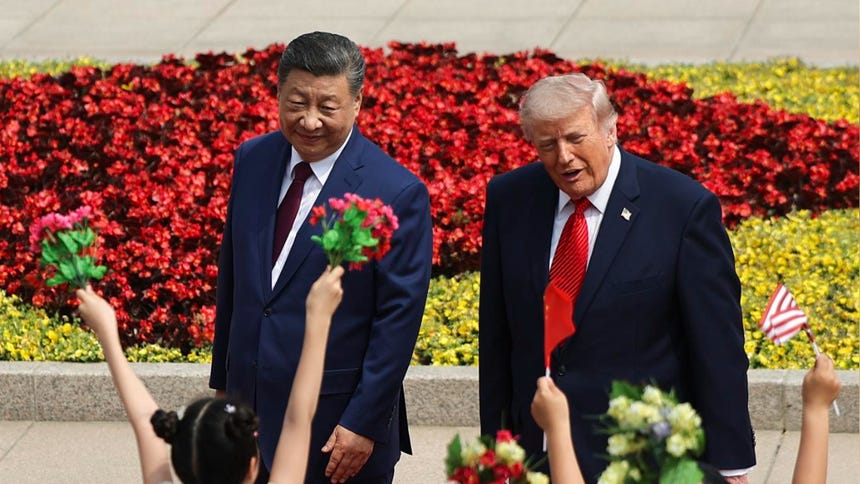
Trump and Xi Seek Global Stability in High-Stakes Beijing Summit
United States President Donald Trump and Chinese President Xi Jinping concluded a pivotal two-day bilateral summit in Beijing on May 15, 2026, aiming to redefine the global power balance and establish a “stable strategic relationship” for the next three years. The meetings, held at the Great Hall of the People starting May 14, 2026, focused on mitigating economic volatility and defusing geopolitical flashpoints that have long strained the ties between the two superpowers.
A primary achievement of the summit was a shared front regarding the crisis in Iran. According to a White House statement, both leaders reached a consensus that Tehran must never acquire nuclear weapons. The two presidents also emphasized the critical need to reopen the Strait of Hormuz to commercial traffic without the imposition of tolls, while calling for a lasting truce in the Middle East. During the discussions, Trump expressed a shared desire to conclude the conflict, telling Xi, “We feel the same, right? We want this to end,” as reported by EL PAÍS.
In an exclusive interview with Fox News, Trump highlighted a significant commitment from the Chinese leader to limit logistical support to Tehran. “He said he is not going to give them military equipment. It is an important statement. He said it today,” Trump told Sean Hannity on May 14, 2026. This diplomatic shift coincides with China’s interest in reducing its dependence on the Persian Gulf by increasing imports of American crude oil.
On the economic front, the summit sought to prevent the further escalation of a trade war that has impacted both nations. Following the final round of discussions, Trump announced that he had secured “fantastic trade agreements,” suggesting a potential thaw in commercial tensions.
Despite these breakthroughs, deep-seated frictions remain. The bilateral agenda was marked by ongoing tensions over Taiwan and a broader struggle for global influence. This dynamic is often viewed through the lens of the “Thucydides Trap,” a concept that President Xi believes defines the current relationship between the United States and China, as noted by the BBC.
The outcome of the Beijing summit underscores the precarious balance between cooperation and competition. While the agreements on Iran and trade provide a temporary reprieve, the unresolved status of Taiwan and the underlying structural rivalry continue to shape the diplomatic landscape for both powers.
