
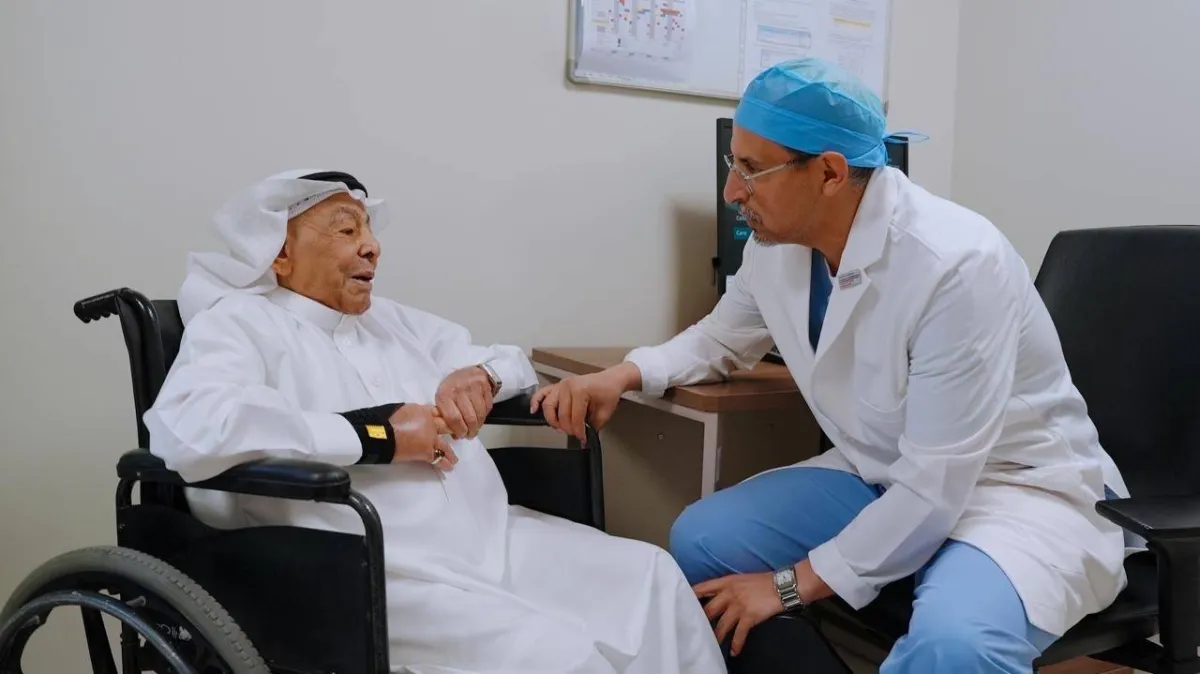
In a medical milestone that underscores the advancements in specialized cardiac care, a 102-year-old patient in Saudi Arabia has successfully undergone an innovative heart procedure, offering new hope for elderly patients with complex cardiovascular conditions.
The groundbreaking intervention was performed at Johns Hopkins Aramco Healthcare (JHAH), a leading medical center in the kingdom, where a team of cardiologists and surgeons tailored a minimally invasive approach to address the patient’s condition. Whereas details of the exact procedure remain limited, the case highlights the growing potential of personalized medical strategies for aging populations.
A Rare Achievement in Geriatric Cardiac Care
Cardiac interventions in patients over 100 years classic are exceptionally rare, primarily due to the heightened risks associated with age-related frailty, comorbidities and surgical stress. However, this case demonstrates that with meticulous planning and advanced medical techniques, even centenarians can benefit from life-saving procedures.
“This achievement reflects the dedication of our multidisciplinary team and the cutting-edge capabilities of our facility,” a spokesperson for Johns Hopkins Aramco Healthcare said. “It also reinforces the importance of individualized treatment plans, particularly for older adults who may have been deemed ineligible for such interventions in the past.”
While the patient’s identity and specific medical history remain confidential, the success of the procedure has sparked discussions among global health experts about expanding access to specialized cardiac care for the elderly. As life expectancies continue to rise worldwide, cases like this could pave the way for more inclusive treatment protocols in geriatric medicine.
Saudi Arabia’s Growing Role in Medical Innovation
The procedure at JHAH is the latest in a series of medical breakthroughs emerging from Saudi Arabia, which has rapidly become a hub for advanced healthcare technologies. Just months earlier, the kingdom made headlines when King Faisal Specialist Hospital in Riyadh performed the world’s first fully robotic heart transplant—a feat that further cemented the country’s reputation in surgical innovation.
That historic operation involved a 16-year-old patient suffering from end-stage heart failure. The robotic-assisted procedure, which eliminated the need for traditional chest-opening surgery, was hailed as a “paradigm shift” in transplant medicine. The surgical team, led by the hospital’s chief of cardiac surgery, spent weeks refining the technique through virtual simulations before executing the real-time operation.
“This represents a transformative moment in cardiac surgery,” the hospital’s leadership stated following the robotic transplant. “By minimizing invasiveness, we can reduce recovery times, lower complication rates, and ultimately save more lives.”
The convergence of these two landmark cases—one involving a pediatric patient and the other a centenarian—illustrates Saudi Arabia’s commitment to pushing the boundaries of medical science across all age groups. For global health systems grappling with aging populations and rising rates of cardiovascular disease, such innovations offer valuable insights into the future of patient care.
Why These Advances Matter for Public Health
Cardiovascular disease remains the leading cause of death worldwide, accounting for nearly 18 million fatalities annually, according to the World Health Organization. While preventive measures like diet, exercise, and early detection are critical, medical breakthroughs in treatment are equally vital—especially for high-risk groups such as the elderly and young patients with congenital or severe heart conditions.

The success of these procedures in Saudi Arabia could inspire other nations to invest in similar technologies, potentially making complex cardiac interventions safer and more accessible. For patients who once had limited options, these developments may mean the difference between life and death.
As healthcare systems continue to evolve, cases like these serve as a reminder of the power of innovation in medicine. Whether through robotic precision or tailored approaches for the elderly, the goal remains the same: extending and improving lives, regardless of age.
