
Following a wave of consumer boycotts targeting Russian goods after the invasion of Ukraine, Danish shoppers are now turning their attention to products originating from the United States. This shift in purchasing habits comes in response to lingering concerns over former President Trump’s past expressions of interest in purchasing Greenland and ongoing geopolitical tensions [[1]], [[2]]. Consumers are increasingly utilizing smartphone applications to identify the origins of products and make informed purchasing decisions.
Dáni skenujú potraviny a skúmajú ich prípadný americký pôvod. (Zdroj: gettyimages.com)
KODAŇ – Po začiatku ruskej agresie na Ukrajine sa aj v našich končinách rozbehol bojkot rôznych ruských pochutín a tovarov. Ešte prednedávci sa hovorilo o “bojkote ruskej zmrzliny” a teraz je tu nová vlna. Tentokrát ide o americké produkty. USA si vplyvom svojho vládneho vedenia a nebývalých vyhlásení Donalda Trumpa o územných nárokoch na Grónsko proti sebe poštval aj ďalšiu skupinu konzumentov – konkrétne Dánov, pod ktorých Grónsko patrí a rozbiehajú nový druh bojkotu!
O využívaní aplikácie, ktorá po naskenovaní skúma americký pôvod toho-ktorého produktu informuje zahraničný portál Euronews.
Dáni hovoria stop americkému tovaru, môže za to ich drzý záujem o Grónsko
Danish consumers are increasingly turning to smartphone apps to identify and potentially boycott American products, a move sparked by recent U.S. statements regarding Greenland. The trend reflects growing unease in Denmark over perceived American interest in the autonomous territory, and highlights how geopolitical tensions can quickly translate into consumer behavior.
The surge in app usage comes after former U.S. President Donald Trump publicly discussed the possibility of the United States purchasing Greenland in 2019, and subsequent statements from the U.S. government have continued to raise concerns in Copenhagen. Despite Trump later stating he would not pursue a purchase through force, the sentiment appears to have resonated with Danish shoppers.
According to reports, shoppers are utilizing applications that scan barcodes to determine a product’s country of origin. A growing number are choosing to avoid items identified as being made in the United States.
Ilustračné foto (Zdroj: Getty Images)
Aplikácie si sťahuje čoraz viac ľudí
Two applications, “UdenUSA” and “NonUSA,” have gained significant traction in Denmark, climbing the charts in app store downloads. Developers say the intention isn’t necessarily to instigate a full boycott of American goods, but rather to provide consumers with greater transparency regarding the origins of their purchases. “It’s up to the consumers to decide what they do with the information,” Jonas Pipper, the creator of UdenUSA, told Euronews.
The popularity of these apps has even surpassed that of ChatGPT in download rankings, demonstrating the level of public interest in the issue.
A Understandable Outlet for Frustration, Says Expert
Despite the growing boycott movement, the economic impact on the United States is expected to be limited. Louise Aggerstrøm Hansen, an economist at Danske Bank, estimates that only approximately 1 percent of Danish food consumption originates directly from the United States.
“Many people watch the news and see something they don’t like, and they get angry about it. In this case, it’s about us and Greenland. Then you need to do something with that anger, regardless of how trivial it is,” Pelle Guldborg Hansen, a behavioral researcher at the University of Roskilde, told local media. The development underscores how even seemingly minor geopolitical disputes can influence consumer choices.
Public demonstrations in both Greenland and Denmark have already taken place in opposition to potential U.S. interest in acquiring Greenland.
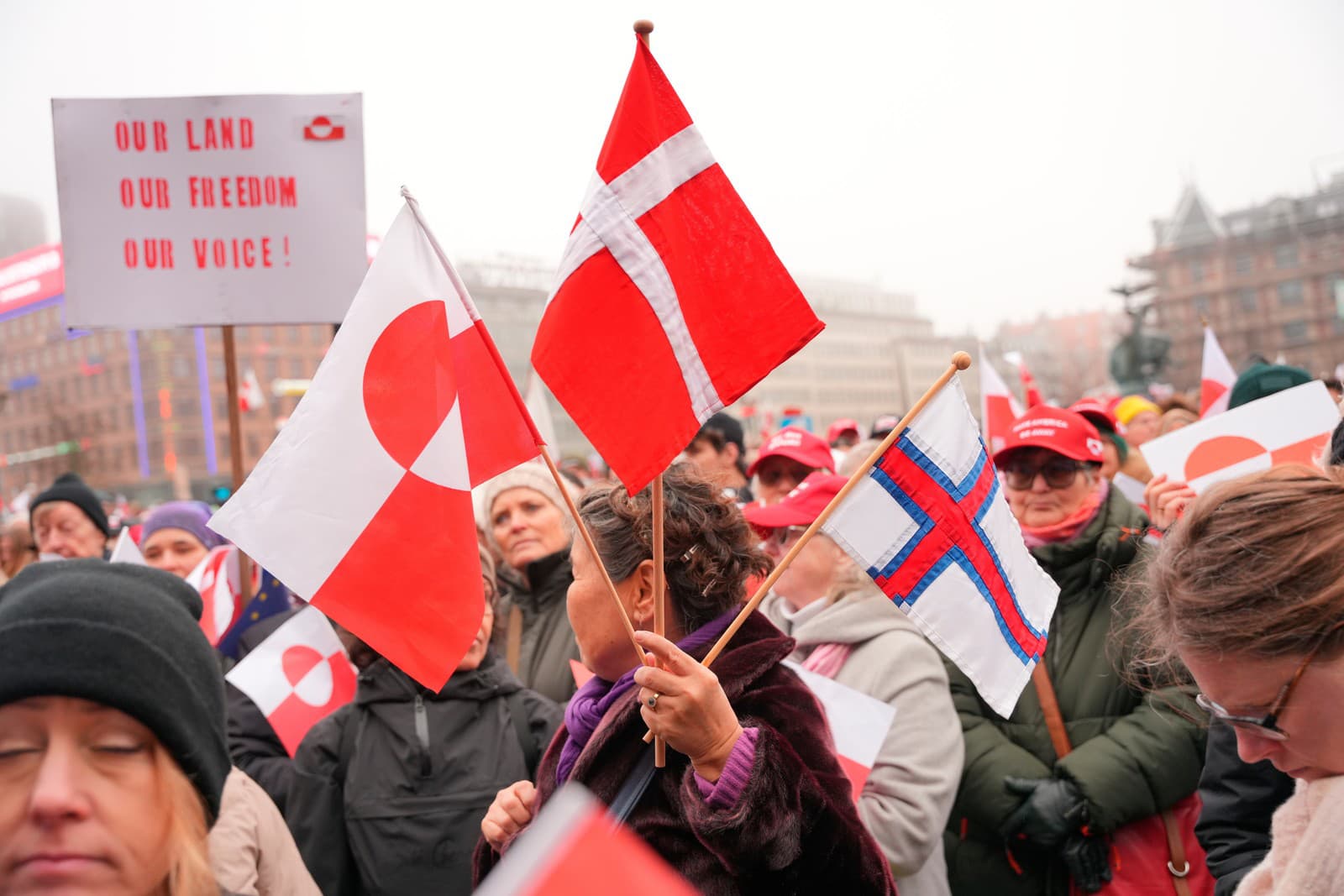
Ľudia sa zhromažďujú na demonštrácii na podporu Grónska v Kodani. (Zdroj: TASR/AP/Emil Helms/Ritzau Scanpix)
