
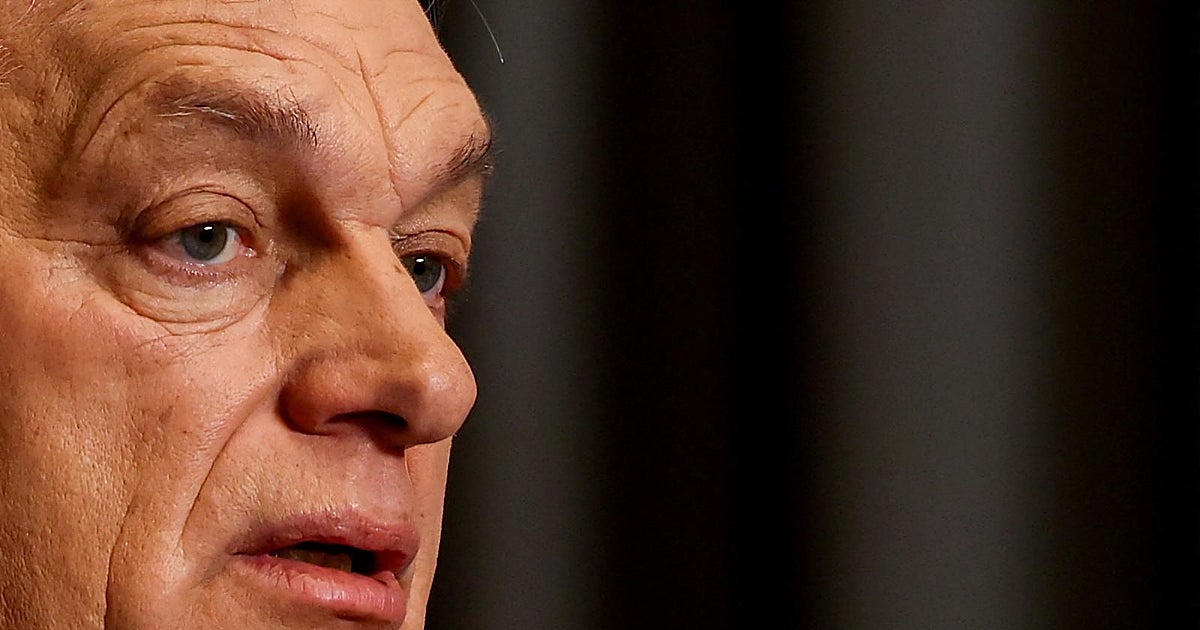
Viktor Orbán, Hungary’s prime minister for 16 years, conceded defeat in the April 12, 2026 parliamentary elections after his Fidesz party lost to a resurgent opposition led by conservative challenger Péter Magyar.
According to results reported by Hungarian state broadcaster RTVE, Magyar’s centre-right Tisza party secured 53.5% of the vote, winning 138 seats in the 199-member parliament — a supermajority that enables constitutional reforms. Voter turnout reached a record 79.5% since the fall of communism, reflecting widespread demand for political change.
Orbán acknowledged the loss in a phone call with Magyar, stating, “For us the result is painful, but clear. We were not entrusted with the responsibility to govern. I congratulate the winner.” His concession came even before the final vote count was complete.
Magyar, a 45-year-old Christian lawyer and former Fidesz member, framed his victory as a mandate to dismantle what he described as Orbán’s corrupt and authoritarian system. In a Facebook post, he wrote, “Thank you, Hungary,” signaling a shift away from the prime minister’s close ties to Russia and his confrontational stance toward the European Union.
During his tenure, Orbán had repeatedly blocked EU financial support for Ukraine, maintained close ties with Russian President Vladimir Putin, and aligned with former U.S. President Donald Trump’s MAGA movement. These actions drew sharp criticism from EU leaders, who accused him of undermining the rule of law and destabilizing bloc unity.
Political analysts noted that Magyar’s win presents Hungary with a rare opportunity for democratic renewal. His pledge to reform the constitution and restore institutional checks could mark a turning point after over a decade of democratic backsliding.
The outcome similarly raises questions about the future of Europe’s far-right landscape, as Orbán’s defeat may weaken the influence of illiberal movements across the continent that have looked to his model as an example of electoral success without liberal constraints.
