
 "a7888e28-028a-4a37-acb9-bc8e47048770.webp")
David Faitelson Breaks Silence, Apologizes to José Ramón Fernández Amid Sexual Abuse Allegations
In an emotional public statement on Monday, sports journalist David Faitelson issued a tearful apology to his longtime colleague José Ramón Fernández, addressing explosive allegations of sexual misconduct that surfaced in Fernández’s newly released memoir. The apology, delivered during a live broadcast, has sent shockwaves through Mexico’s media landscape, reigniting a decades-old feud between the two high-profile commentators.
Faitelson, a prominent figure on Televisa’s sports network TUDN, appeared visibly shaken as he addressed the accusations head-on. “I want to publicly apologize to José Ramón Fernández,” he said, his voice breaking. “I was wrong. I made a mistake, and I regret it deeply.” The moment was captured in a widely circulated video clip, which quickly went viral across social media platforms.
The Allegations: A Decades-Old Incident Resurfaces
The controversy stems from Fernández’s recently published autobiography, El Protagonista, in which he details a disturbing incident allegedly involving Faitelson during their time together at TV Azteca in the early 2000s. According to Fernández’s account, which he attributes to eyewitnesses, Faitelson inappropriately touched a female colleague during a moment of workplace revelry. The alleged incident occurred around the year 2000, during the production of the satirical program La Polaka, which used stuffed animals to parody political and cultural figures.
Fernández writes that the woman, described as part of the show’s production team, would occasionally dance on tables during informal gatherings. He claims that witnesses told him Faitelson “touched [her] inappropriately” during one such moment. The memoir also mentions that Fernández later received “very explicit photographs” related to the incident, though he does not elaborate on their contents or origins.
The allegations have thrust the long-standing rivalry between the two journalists back into the spotlight. Fernández, now a commentator for Fox Sports, has been vocal about his strained relationship with Faitelson in recent years, even referring to him as a “sicario” (hitman) in a 2023 interview, accusing him of acting on behalf of Televisa’s interests. Their professional paths diverged after both left TV Azteca—Fernández for Fox Sports and later ESPN, while Faitelson joined Televisa’s sports division, where he remains a key figure.
A Potential Victim Identified
In the wake of Fernández’s revelations, reports have surfaced identifying a possible victim in the case. According to sources close to the situation, the woman at the center of the allegations may be former TV Azteca reporter Claudia Hernández. Hernández, who worked with both journalists during their tenure at the network, has not publicly commented on the matter. Her name emerged in media reports over the weekend, though no official confirmation has been provided by Hernández or her representatives.
“This is not just about two journalists clashing—it’s about accountability in an industry where power dynamics have long gone unchecked.”
—A media analyst familiar with the case, speaking on condition of anonymity
Industry Reactions: Mixed Responses and Public Confrontations
Faitelson’s apology has drawn a range of reactions from colleagues and industry observers. Álvaro Morales, another well-known sports commentator, weighed in during a live broadcast, urging both parties to seek resolution. “This is a moment for reflection, not just for David and José Ramón, but for all of us in media,” Morales said. “We require to address these issues with honesty, and integrity.”
The apology also sparked a heated exchange between Faitelson and Odín Ciani, a sports journalist and former colleague. During a live segment, Ciani confronted Faitelson, demanding he show respect to Fernández and the alleged victim. “This isn’t just about words—it’s about actions,” Ciani said, his tone firm. “You owe it to everyone involved to handle this with the seriousness it deserves.” The confrontation was captured in a video that has since circulated widely online.
A Feud Decades in the Making
The tensions between Fernández and Faitelson date back to their time at TV Azteca, where they worked together in the late 1980s and 1990s. Fernández, who joined the network after Faitelson’s departure from the newspaper Excélsior, initially mentored his younger colleague, even making him head of news at Imevisión (the precursor to TV Azteca). Their relationship soured over the years, with Fernández later accusing Faitelson of prioritizing Televisa’s agenda over journalistic integrity—a claim Faitelson has consistently denied.
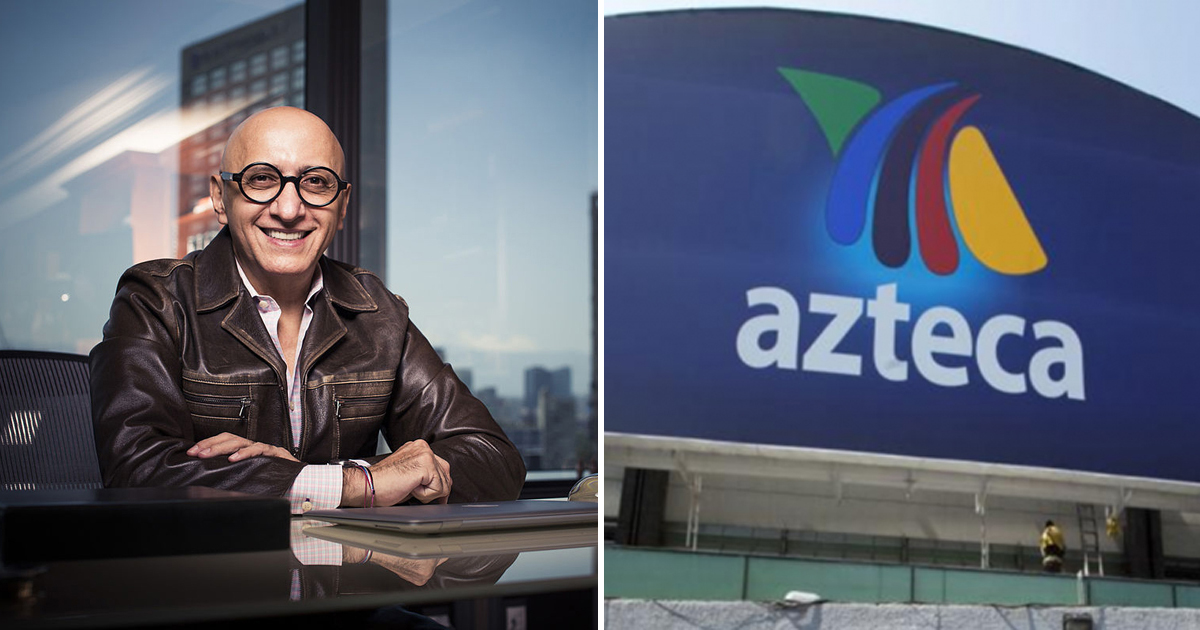
The release of El Protagonista has only deepened the rift. In the book, Fernández also criticizes other industry figures, including former TUDN analyst André Marín, whom he describes as struggling with health issues during their time together at the network. “We had to stop recordings to offer him oxygen,” Fernández writes, “due to the fact that his kidneys and lungs were failing him.”
What Comes Next?
As of Monday, neither Faitelson nor Fernández has indicated whether further legal or public actions will be taken. The alleged victim, Claudia Hernández, remains silent, and no formal complaints or legal proceedings have been reported. For now, the story remains a stark reminder of the complexities of power, accountability, and reputation in the media industry.
The fallout from this scandal is likely to reverberate for some time, particularly as audiences and industry insiders grapple with its implications. For a profession built on storytelling, this chapter serves as a sobering example of how the narratives we craft can sometimes come back to haunt us.
