
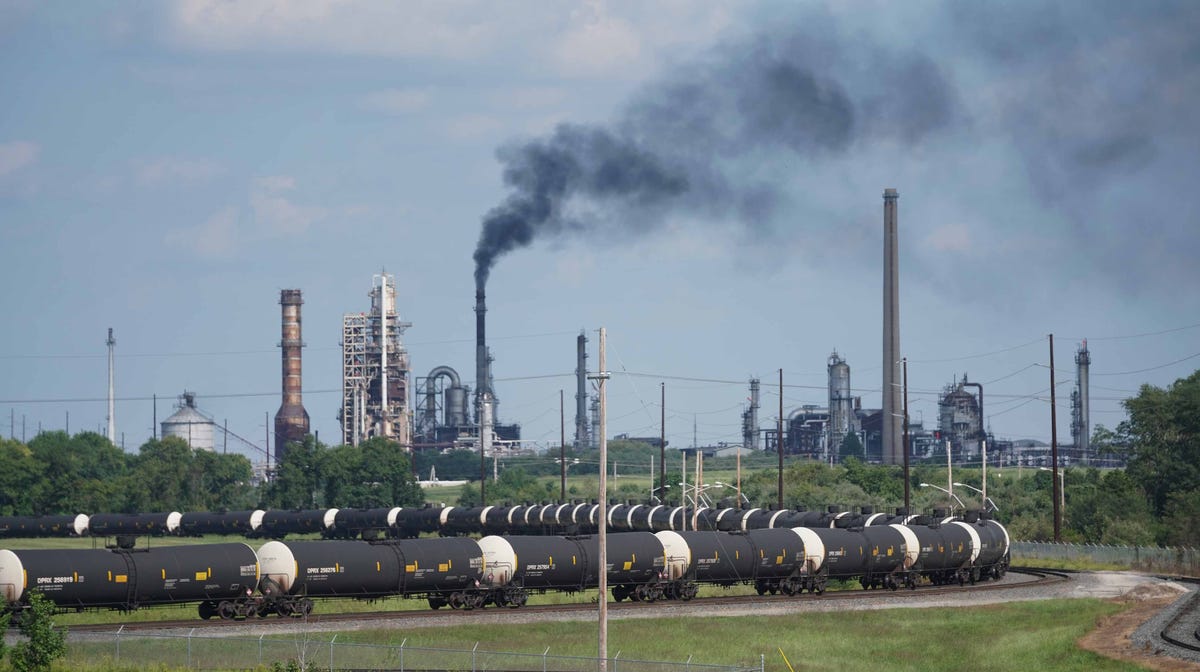
The future of Industrial Pollution: Trends and Technologies
Industrial pollution remains a significant global challenge. From refineries to manufacturing plants, the release of harmful substances into the air and water poses risks to human health and the environment. But what does the future hold? Let’s explore emerging trends and technologies that could reshape how we manage and mitigate industrial pollution.
The Rise of Advanced Monitoring and Data Analytics
One of the moast promising trends is the increasing use of advanced monitoring technologies. Customary methods frequently enough rely on infrequent sampling, which can miss pollution spikes. the future points towards continuous,real-time monitoring using a variety of sensors.
- Smart sensors: These devices can detect a wide range of pollutants, from sulfur dioxide and particulate matter to volatile organic compounds (VOCs).They are becoming smaller, more affordable, and easier to deploy.
- Drones and Satellites: Drones equipped with sensors can survey large areas, providing detailed pollution maps. Satellites offer a broader outlook, tracking pollution plumes across regions and even continents.
- Data Analytics: The data collected by these sensors is useless without the ability to analyze it. Advanced analytics, including machine learning, can identify pollution sources, predict future events, and optimize mitigation strategies.
Pro Tip: Governments and industries are increasingly using these technologies to comply with environmental regulations and improve public health. This creates opportunities for businesses specializing in environmental monitoring and data analysis.
Enduring Practices and Circular Economy Models
Moving beyond simply monitoring pollution, the future of industry is about preventing it in the first place. This involves adopting sustainable practices and embracing circular economy models.
- Cleaner Production Processes: Industries are investing in technologies that reduce waste and emissions at the source. This includes using more efficient equipment, optimizing processes, and switching to cleaner fuels.
- Waste Reduction and Recycling: The circular economy aims to minimize waste by reusing and recycling materials. This reduces the need for raw materials and lowers pollution from manufacturing processes.
- Green Chemistry: This field focuses on designing chemical products and processes that reduce or eliminate the use and generation of hazardous substances.
Did you know? The Ellen MacArthur Foundation estimates that transitioning to a circular economy could generate trillions of dollars in economic benefits and considerably reduce pollution.
The Role of Government and Policy
Government regulations and policies play a crucial role in driving the adoption of new technologies and practices. Stricter environmental standards, incentives for sustainable practices, and penalties for polluters are all essential.
- Cap-and-Trade Systems: These systems set limits on emissions and allow companies to trade emission permits, creating a financial incentive to reduce pollution.
- Carbon Pricing: Putting a price on carbon emissions encourages companies to reduce their carbon footprint.
- Investment in Research and development: Governments can fund research into new pollution control technologies and sustainable practices.
Case Study: The european Union’s Emissions Trading System (EU ETS) has been a key driver in reducing greenhouse gas emissions from the power and industrial sectors.
Emerging Technologies: A Glimpse into the Future
Several cutting-edge technologies hold promise for revolutionizing pollution control:
- Carbon Capture and Storage (CCS): This technology captures carbon dioxide emissions from industrial sources and stores them underground, preventing them from entering the atmosphere.
- Biofiltration: Using microorganisms to remove pollutants from air and water.
- Advanced Filtration Systems: Nanotechnology is being used to create highly efficient filters that can remove even the smallest pollutants.
Reader Question: How can individuals contribute to reducing industrial pollution?
Individuals can support companies committed to sustainability, advocate for stronger environmental policies, and reduce their own consumption of products that contribute to pollution.
The fight against industrial pollution is a complex and ongoing challenge. However, with the development of new technologies, the adoption of sustainable practices, and the implementation of effective policies, we can create a cleaner and healthier future for all.
Ready to learn more? Explore our other articles on environmental sustainability and subscribe to our newsletter for the latest updates and insights!
