

Diagnose per Bluttest? Wie die DNA-Alterung Depressionen entlarvt
Could a Blood Test Diagnose Depression? Researchers Explore Biological Markers
Medical professionals have long relied primarily on patient self-reporting to diagnose the onset of depression. However, a new research effort is aiming to change that landscape by identifying biological markers in the blood that could provide an objective complement to subjective patient accounts.
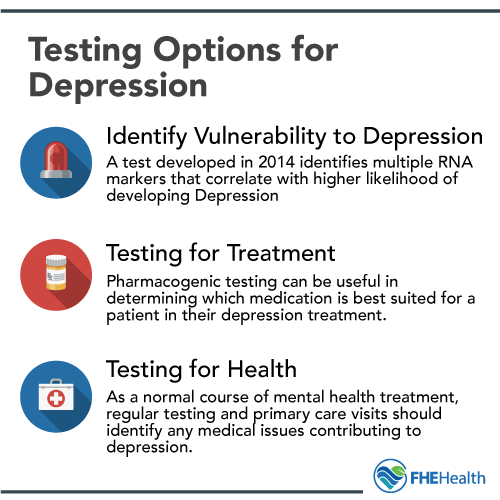
According to a report via Sciencealert, a research team composed of scientists from various institutions in the United States sought to improve diagnostic precision by integrating measurable biological data. This approach could allow clinicians to detect depressive disorders earlier and provide a more comprehensive diagnostic picture by combining physical evidence with a patient’s reported feelings.
The study focused on a specific high-risk demographic: women living with HIV. This population is estimated to have a two- to three-fold higher risk of developing depression compared to the general population.
To investigate these markers, the research team analyzed blood samples from a group of 440 participants, including 261 women with HIV and 179 women without the infection. The scientists utilized standardized questionnaires to determine which participants had exhibited symptoms of depression in the recent past, allowing them to compare biological data against clinical symptoms.
The ability to identify objective biological markers represents a potential shift in mental health care. By reducing the sole reliance on self-assessment, these findings could lead to more accurate screenings and more timely interventions for those at the highest risk.
