
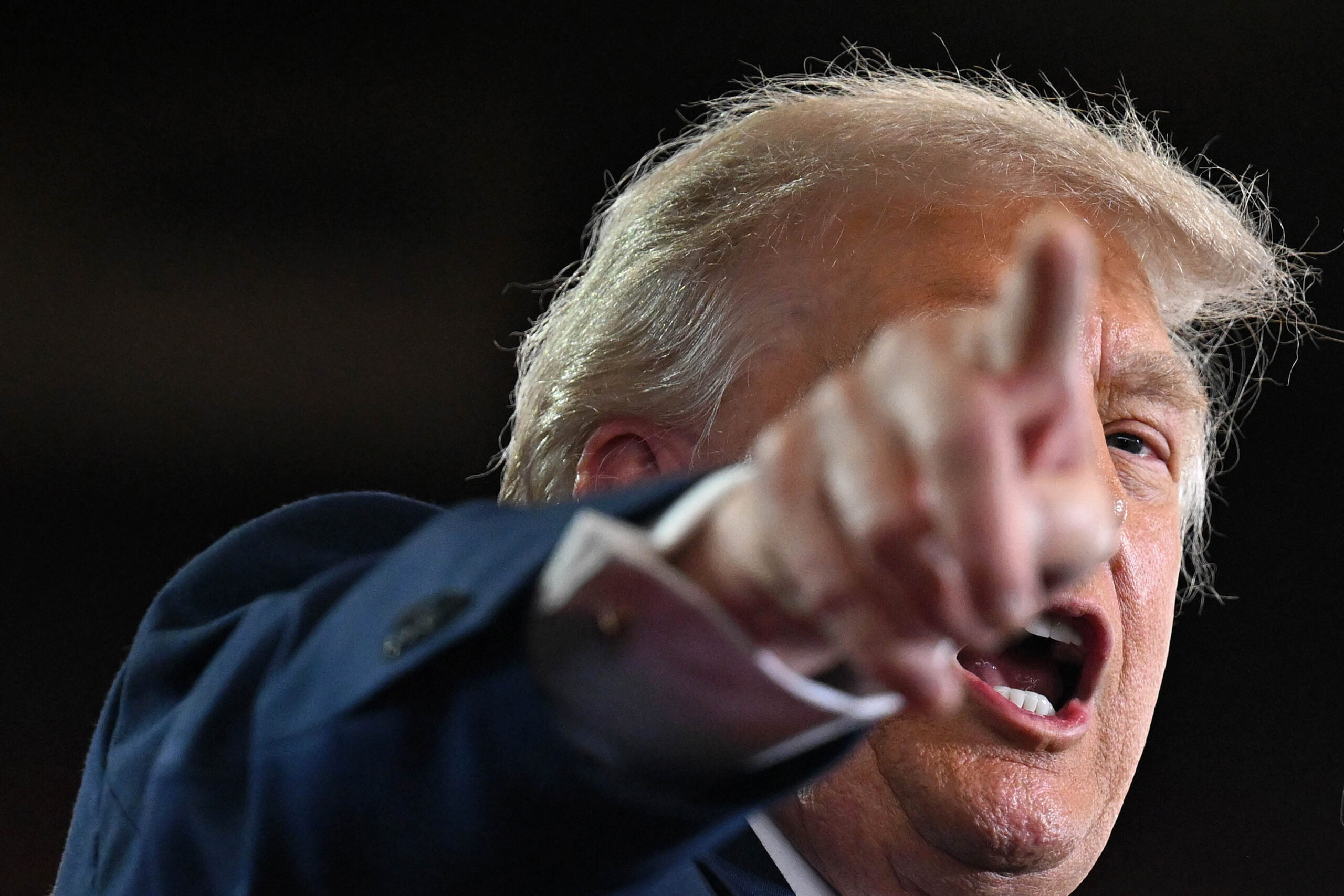
United States President Donald Trump announced on Friday, June 12, 2026, that American forces killed Héctor Rusthenford Guerrero Flores, known as “Niño Guerrero,” the leader of the Tren de Aragua criminal organization. The operation, described by the administration as a lethal strike, marks a significant escalation against the Venezuela-based group.
The Strike Against Niño Guerrero
The announcement of the operation came via the social media platform Truth Social. President Trump stated that the United States Southern Command executed a rapid, lethal strike against the Tren de Aragua leader. According to Metropoles, the operation targeted a complex associated with the organization earlier this week.
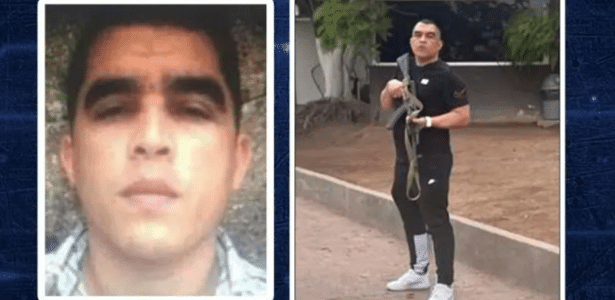
While the specific timing of the attack remained undisclosed in some reports, CNN Brasil noted that the administration characterized the action as closely coordinated with Venezuelan counterparts. Trump’s Secretary of War, Pete Hegseth, confirmed the operation involved kinetic force against a TdA facility, as reported by G1.
“Sob minhas ordens, o Comando Sul dos Estados Unidos realizou um ataque cinético rápido e letal para executar com sucesso Niño Guerrero, o infame líder do Tren de Aragua, uma das organizações terroristas mais sanguinárias do planeta.”
Donald Trump, President of the United States, via G1
Evolution of the Tren de Aragua
The Tren de Aragua originated as a prison-based gang in Venezuela before transforming into a transnational criminal network. Guerrero, who had been a fugitive since escaping the Tocorón prison in September 2023, is widely credited with orchestrating the group’s international expansion.
/https://i.s3.glbimg.com/v1/AUTH_59edd422c0c84a879bd37670ae4f538a/internal_photos/bs/2026/8/B/hAWwJnRCea8dsugRY0lA/2026-06-11t193539z-2005178364-rc2vrlabl8ur-rtrmadp-3-usa-trump.jpg "Photo: G1")
According to UOL Notícias, the group shifted its operational model to function as a “rede de subcontratação criminosa”—a network of criminal subcontracting. This structure allowed the organization to diversify into retail drug trafficking, human trafficking, and gold smuggling. Research indicates that the group’s expansion was intrinsically tied to Venezuelan migration patterns, with the organization exploiting transit routes to extort and traffic vulnerable populations. The group’s ability to leverage the Venezuelan diaspora has historically been a point of concern for regional security agencies, as the organization utilized established migration corridors to move personnel and assets across South American borders.
Regional Impact and Ties to Brazilian Factions
In Brazil, the Tren de Aragua established a presence as early as 2019, particularly in the border municipality of Pacaraima, Roraima. Investigations show the group maintained a symbiotic relationship with established Brazilian criminal entities, including the Primeiro Comando da Capital (PCC) and the Comando Vermelho (CV).
Rather than engaging in direct territorial conflict with these dominant factions, the Tren de Aragua provided specialized services. These included securing cocaine transport routes, supplying weaponry, and protecting clandestine mining operations in the Amazon region. This collaborative model allowed the Venezuelan group to entrench itself within the local criminal economy without triggering large-scale turf wars, according to data cited by UOL Notícias from the Fórum Brasileiro de Segurança Pública. The Fórum has frequently highlighted the difficulty of curbing such transnational networks, noting that their modular, decentralized nature makes them difficult to dismantle through conventional law enforcement measures alone.
Political Implications and Diplomatic Stance
The designation of the Tren de Aragua as a Foreign Terrorist Organization serves as a cornerstone of the administration’s current security policy. President Trump reiterated that the move fulfills a campaign promise to “deportar milhares de criminosos perversos e declarar guerra aos cartéis.”

The administration has further alleged that the Tren de Aragua coordinated its U.S.-based activities with the Nicolás Maduro regime. This claim has been used to justify stricter immigration enforcement, including the deportation of individuals to high-security facilities in El Salvador. The legal framework surrounding these deportations is complex, involving bilateral agreements between the United States and various host nations in Latin America. Critics of the policy, including several human rights monitoring groups, have previously raised concerns regarding the due process afforded to deportees, though the administration maintains that the security of the U.S. border necessitates these expedited protocols.
While the White House and the Pentagon have not provided immediate additional commentary on the tactical specifics of the strike, the administration continues to emphasize the group’s status as a primary national security threat. The use of the U.S. Southern Command, which is typically responsible for regional security cooperation and counter-narcotics operations in the Caribbean and Central and South America, underscores the shift in how the U.S. government defines and responds to criminal non-state actors. As of late Friday, the Venezuelan Ministry of Information had not issued a formal response to the reported military action, leaving the diplomatic fallout between Washington and Caracas uncertain. Historically, the U.S. and Venezuela have experienced limited diplomatic contact, with official communications often channeled through third-party intermediaries or international bodies, complicating the verification of events on the ground.
Find more reporting in our World section.
