

The Brussels-Capital Region government will implement a total ban on shared electric scooters starting in September 2026. Transport Minister Elke Van den Brandt announced that the move follows persistent safety concerns and public space management issues, effectively ending the operation of commercial rental fleets within the city limits by the end of the year.
Regulatory Shift in the Brussels-Capital Region
The decision to phase out shared electric scooters marks a definitive change in urban mobility policy for Brussels. Following years of negotiations between the regional government and private operators, authorities have determined that the integration of these services into the city’s dense urban fabric has failed to meet safety and accessibility standards. This regulatory pivot represents the culmination of a multi-year effort to refine the Brussels “Good Move” regional mobility plan, which seeks to reduce car dependency while balancing the needs of various road users.

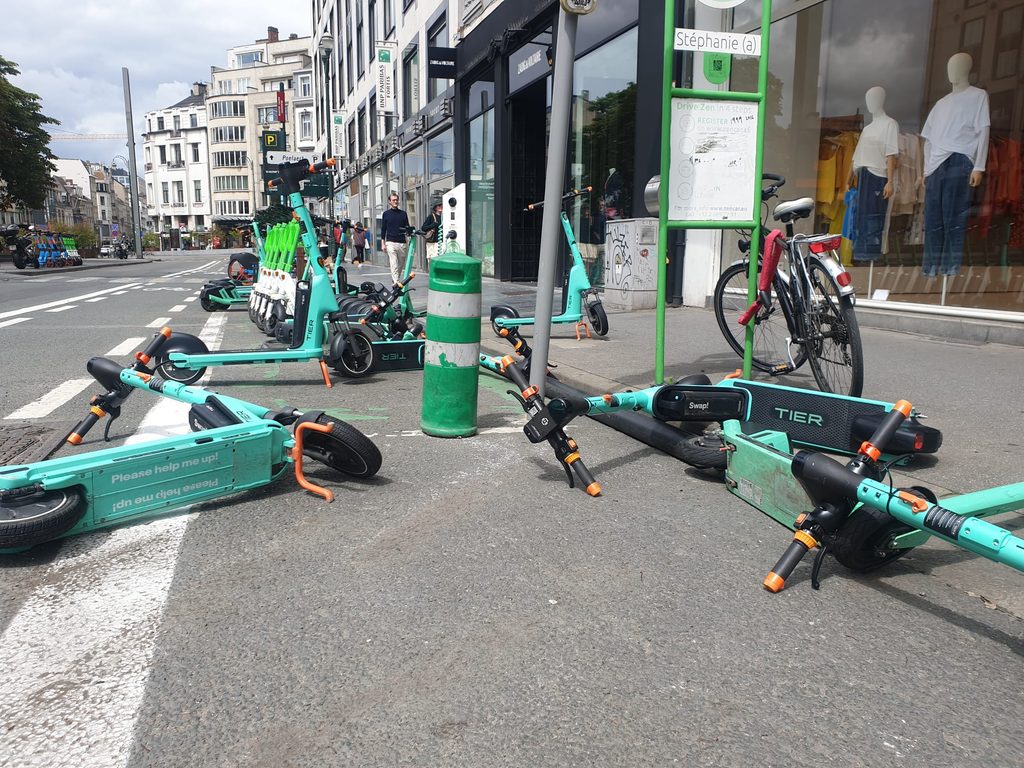
According to the office of the Minister of Mobility, Elke Van den Brandt, the primary drivers for this policy include the high frequency of traffic accidents involving scooter riders and the persistent issue of vehicles obstructing sidewalks and public transit access points. While previous regulations attempted to limit fleet sizes and designate specific parking zones, the government concluded that these measures were insufficient to mitigate public nuisance. The regional government maintains that the complexity of enforcing parking compliance in a historic city with narrow streets creates an unsustainable burden on municipal resources.
Impact on Commercial Operators and Users
The regional government’s mandate requires all private operators to cease operations and remove their fleets from public streets by the end of 2026. This directive affects several international companies that have maintained a significant presence in Brussels since the introduction of e-scooter sharing programs in 2018. During that six-year period, the city saw a rapid influx of thousands of devices, often managed by multiple competing firms simultaneously, which led to intense competition for street-level space.
Industry analysts note that Brussels is joining a growing list of European capitals that have moved to restrict or ban shared micromobility services. Paris, for instance, implemented a total ban on rental e-scooters in September 2023 following a city-wide referendum in which nearly 90 percent of voters supported the measure. Other cities, such as Copenhagen and Oslo, have historically maintained stricter control over permit numbers and operational zones, reflecting a broader European trend of municipal authorities moving from an experimental, “laissez-faire” approach toward more stringent, centralized regulation of shared transport services.
The Brussels government has signaled that it intends to prioritize other forms of public transit, including the expansion of the Metro network and the optimization of bus and tram routes, to compensate for the loss of these short-distance rental options. The Stib-Mivb, the Brussels intercommunal transport company, is currently involved in long-term projects to modernize its fleet and infrastructure, which the government views as the primary mechanism for moving large numbers of people through the city center efficiently.
Public Safety and Infrastructure Concerns
Data from the Brussels-Capital Region police services indicate a consistent rise in emergency room visits related to e-scooter incidents over the past three years. These statistics, which include both minor injuries and more severe collisions with pedestrians, served as a core justification for the government’s restrictive stance. The police and regional mobility agencies have highlighted that many accidents occur during evening hours, often involving riders who are unfamiliar with local traffic codes or, in some instances, under the influence of alcohol.
The policy change also addresses the long-standing critique regarding the privatization of public space. Critics of the scooter programs have frequently argued that the placement of docking zones and haphazardly parked scooters creates barriers for individuals with limited mobility, particularly those who are visually impaired or use wheelchairs. The regional mobility council, which advises the government on infrastructure, has documented numerous complaints regarding the obstruction of accessible pedestrian paths, noting that the shared scooters often bypass the formal infrastructure planning processes that apply to other commercial activities on public land.
The uncontrolled growth of these devices has created a situation that is no longer sustainable for the safety of our residents and the order of our public squares. We are moving toward a city design that prioritizes walking, cycling, and robust public transit over temporary, motorized solutions.
Elke Van den Brandt, Minister of Mobility for the Brussels-Capital Region
Future Outlook for Mobility in Brussels
As the September 2026 deadline approaches, the government faces the challenge of transition. Officials are currently evaluating whether to provide incentives for residents who own personal electric bicycles or scooters, though no formal subsidy program has been finalized. The debate within the regional parliament centers on whether the city should facilitate personal ownership of micromobility devices as a direct replacement for the rental model, or if the focus should shift entirely toward traditional public transport and walking.
The regional administration maintains that the focus remains on long-term infrastructure improvements rather than the regulation of commercial rental models. By eliminating the rental fleets, the government aims to reclaim significant square footage in the city center, which will be repurposed for bicycle parking and pedestrian infrastructure. This move is intended to alleviate the current pressure on existing bike racks, which are frequently overwhelmed by the presence of shared scooters.
The success of this transition will be measured against the city’s broader 2030 climate and mobility goals, which aim to reduce reliance on individual motorized transport. While the regional government is committed to the ban, the policy remains a subject of debate among stakeholders who argue that shared mobility is a necessary component of a modern, multi-modal transport network. As 2026 nears, the regional government will likely face continued pressure from both the industry, seeking to protect their market share, and advocacy groups, who remain divided on the long-term impacts of removing these services from the Brussels streetscape.
Find more reporting in our World section.
