
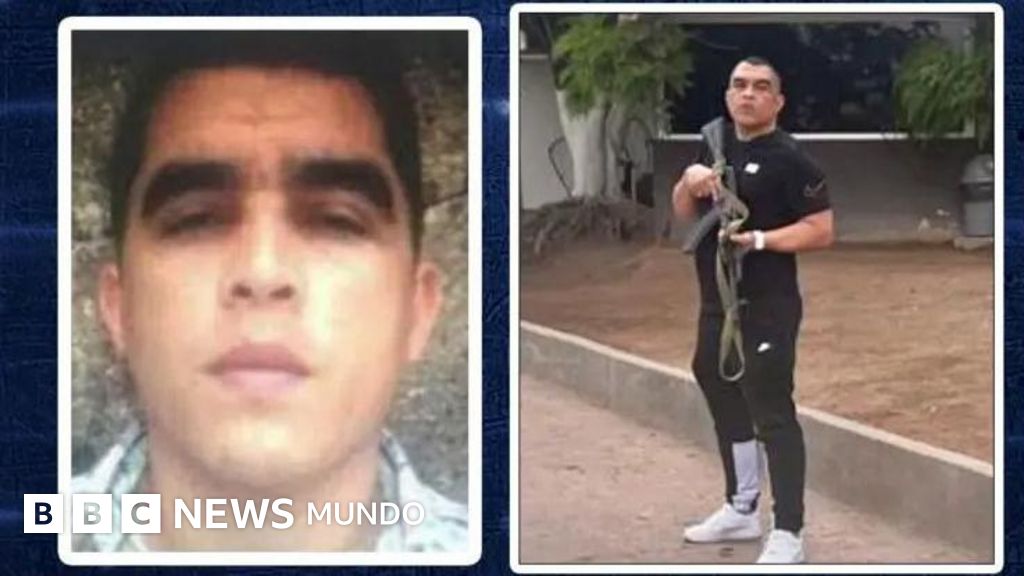
United States forces killed Héctor Rusthenford Guerrero Flores, known as “Niño Guerrero,” the leader of the Tren de Aragua criminal organization, during a military operation in Venezuela this week. President Donald Trump confirmed the death on Friday, June 12, 2026, describing the strike as a “quick and lethal” kinetic attack coordinated with Venezuelan authorities.
The Military Operation and Official Confirmation
The announcement of the strike arrived via Truth Social, where President Trump stated that the U.S. Southern Command had successfully eliminated the leader of the Tren de Aragua. While the President did not specify the exact time or location of the strike, the Secretary of Defense, Pete Hegseth, clarified on X that the operation occurred earlier this week and that the body of the 43-year-old leader had been identified by Friday, according to Teletrece.
Reports from La Tercera indicate the operation took place in the state of Bolívar, Venezuela. The White House released a 10-second video alongside the statement, showing a high-altitude view of a green-roofed building engulfed in an explosion, as noted by Infobae. Officials have framed the strike as a milestone in regional security cooperation.
“Esta acción se coordinó estrechamente con nuestros amigos en Venezuela, con quienes mantenemos una excelente relación. Como resultado, los terroristas del Tren de Aragua ya no tienen refugio seguro en Venezuela ni en ningún otro lugar.
Rise and Influence of the Tren de Aragua
Born in Maracay in 1983, Héctor Rusthenford Guerrero Flores became the face of a criminal network that evolved from a prison-based gang into a transnational threat. His history with the law dates to the early 2000s, leading to his 2010 incarceration at Tocorón prison. Despite escaping in 2012, he was recaptured, and subsequent years saw him consolidate power from within the facility.

By 2013, his influence allowed the group to formalize its structure, creating a system of “pranatos” (prison leader governance) that extended beyond the penitentiary walls. By 2020, the organization was estimated to have nearly 1,000 members operating across several South American nations, including Chile, Colombia, and Peru. The FBI had previously offered a reward of USD 5 million for information leading to his capture, reflecting the high priority Washington placed on dismantling the group.
Diplomatic Shifts and Security Implications
The coordination between Washington and Caracas marks a significant departure from previous diplomatic tensions. According to Infobae, this collaboration followed the January 3, 2026, capture of former leader Nicolás Maduro, which fundamentally altered the political landscape in Venezuela. The U.S. government now describes its relationship with the current Venezuelan authorities as excellent, characterizing the strike as a shared commitment to neutralizing narcoterrorists.
President Trump linked this action to his broader campaign promises, specifically mentioning victims of crimes allegedly committed by members of the organization, such as Jocelyn Nungaray and Laken Reilly. “Me comprometí a expulsar a estos monstruos de nuestro país y a hacer justicia a las familias de sus víctimas,” the President noted in his statement. While the death of Guerrero Flores represents a major blow to the organization’s hierarchy, security analysts cited by La Tercera warn that the Tren de Aragua remains active, with various cells continuing to operate independently across the continent.
Regional Security Outlook
The U.S. commitment to ongoing operations remains firm. Secretary of Defense Pete Hegseth indicated that the United States would continue to work with Venezuela and other members of the Coalición Contra Carteles de las Américas (A3C) to target other transnational criminal entities. The administration has signaled that no location is off-limits for these operations, signaling a potential increase in U.S. military-led counter-narcotics efforts in the region.
For the next 30 days, observers expect a period of instability within the Tren de Aragua as remaining factions attempt to fill the leadership vacuum. While the immediate threat posed by the “Niño Guerrero” has been neutralized, the underlying criminal infrastructure built over the last two decades poses a persistent challenge to authorities in the affected nations.
Find more reporting in our News section.
