
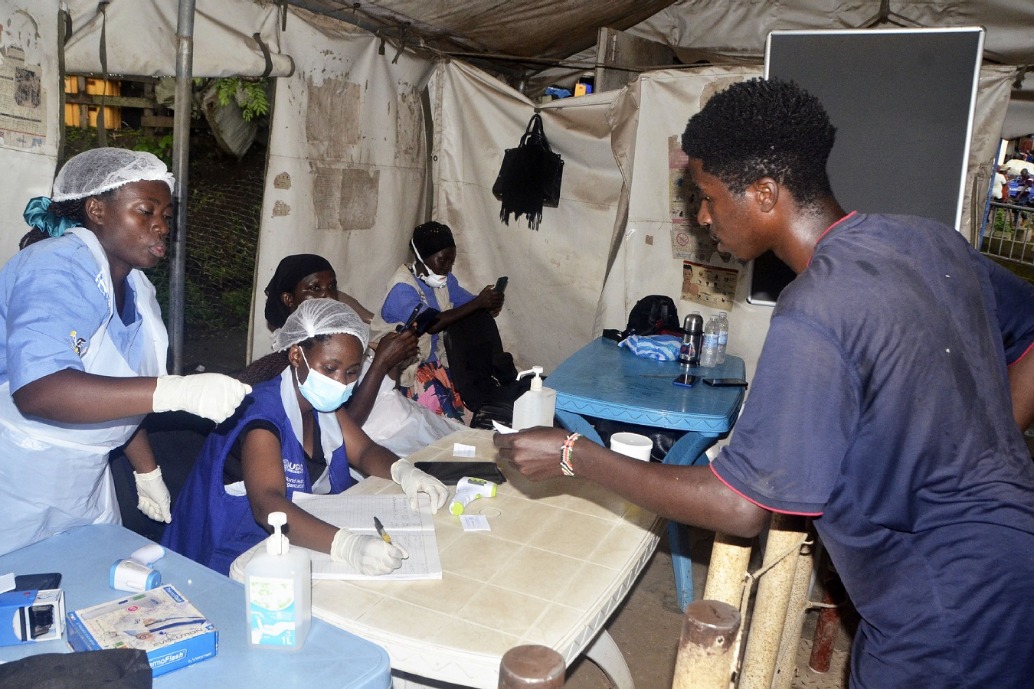
KINSHASA — The Democratic Republic of the Congo (DRC) reported 956 confirmed Ebola cases and 247 deaths as of June 21, 2026, according to the country’s health authorities, with the outbreak centered in Ituri province, which accounts for 874 cases and 201 deaths. The World Health Organization (WHO) has released new guidelines for managing filovirus diseases, while international aid groups like Direct Relief and UN agencies warn of resource gaps and risks to displaced populations. The response faces challenges in scaling up efforts, with officials describing the current progress as “three or four” on a scale of ten.
WHO Issues New Guidelines for Filovirus Management
The World Health Organization (WHO) released comprehensive guidelines for the clinical management of filovirus diseases, including Ebola and Marburg, as the DRC battles a Bundibugyo virus outbreak. The guidelines, developed through global expert consultations, emphasize early supportive care to improve survival rates, with 16 evidence-based recommendations. “These new guidelines are a perfect example of how WHO leverages science to better protect and care for people during outbreaks and health emergencies,” said WHO Director-General Dr. Tedros Adhanom Ghebreyesus. The guidelines address critical areas such as dehydration management, shock treatment, and psychosocial support for patients and their families.

“The current Bundibugyo virus outbreak is a stark reminder of the need for diligent, holistic and person-focused medical care, to save lives and preserve human dignity,” Dr. Tedros added. The guidelines aim to standardize care for patients, with recommendations including prioritized laboratory tests, intravenous rehydration, and structured after-care for survivors. These measures are particularly urgent given the outbreak’s high case fatality rate, which ranges from 25% to 90% in severe cases.
Response Efforts Face Resource Gaps
Despite expanded diagnostic capacity, the Ebola response in the DRC remains “far below what is needed to bring the outbreak under control,” according to Dr. Rose Belizaire, WHO’s Emergency Response Lead for Africa. “On a scale of zero to ten, compared with where this response needs to be, I would say we are at about three or four,” she said in an interview with UN News. The response is organized around 11 pillars, including community surveillance, treatment centers, and infection prevention measures. However, local teams lack critical resources such as human capital and logistical support, despite their technical expertise.
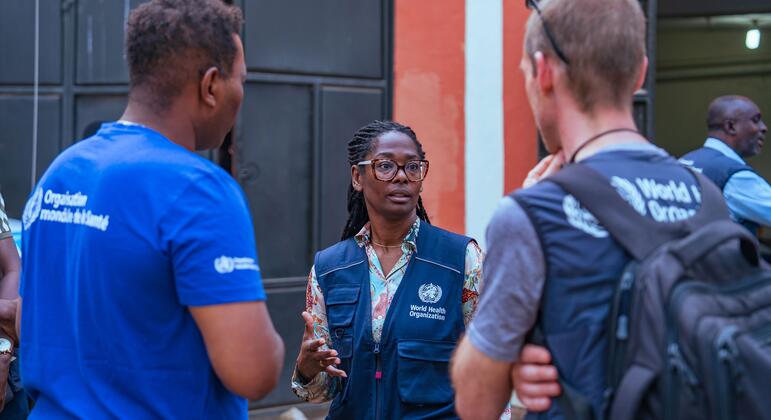
“We now have psychosocial support and nutritional support that provide assistance to confirmed patients, their families and the contacts we are monitoring,” Dr. Belizaire noted. For example, contacts receive food rations, while hospitalized patients get three hot meals daily. Infection prevention measures, such as disinfection and the destruction of contaminated items, are also part of the response. Yet, the WHO official stressed that “the response is evolving rapidly, and all partners need to step up their efforts on the ground in order to keep pace with the evolution of this epidemic.”
International Aid Bolsters Frontline Efforts
A California-based nonprofit, Direct Relief, has shipped over $10 million in medical supplies to the DRC, including 250,000 N95 respirators, protective coveralls, and essential drugs. The aid, donated by 3M, aims to protect health workers and ensure primary care continues amid the crisis. “An effective Ebola response has to do two things at once: contain the virus, and help the broader health system keep functioning,” said Dr. Jeffrey Samuel, Direct Relief’s regional director for Africa. The organization has also provided $17.5 million in medical support for diabetes care in the DRC since 2023.
VillageReach, a global health nonprofit, will coordinate the distribution of supplies with the DRC’s Ministry of Public Health. The group will train 600 community health workers for case detection and contact tracing, while also maintaining routine immunization services. “The arrival of this PPE is critical to protecting frontline health workers and stopping the spread of Ebola,” said VillageReach’s DRC Country Director Freddy Nkosi. The aid comes as the DRC’s health system faces strain from both the outbreak and pre-existing challenges, including limited access to care for non-Ebola conditions.
Regional Spread and Displacement Concerns
The UN Refugee Agency (UNHCR) has warned that the Ebola outbreak threatens displaced communities in the DRC and neighboring regions. As of June 17, the DRC reported 896 confirmed cases and 232 deaths, while Uganda recorded 19 cases and two deaths. Over 2 million forcibly displaced people, including 320,000 refugees, live in areas at risk of the virus. “Fears are growing about population movements into and out of affected areas, and their potential impact on transmission,” the UNHCR said.

On June 7, 2,250 people fled from Mbau, 20 km from Beni, to Oicha, North Kivu, an Ebola-affected zone already hosting 14,300 displaced individuals. This movement has raised concerns about the spread of the virus, particularly in areas with limited healthcare infrastructure. The UNHCR is working with community leaders to build trust and counter misinformation, which has led to delays in accessing care. For example, in Ituri Province, some internally displaced people temporarily blocked access to response teams after two Ebola-related deaths at the Kpangba site.
The agency is also strengthening preparedness in neighboring countries, including Uganda, Rwanda, and South Sudan, through surveillance, screening, and hygiene initiatives. “Public health measures should not impede people seeking safety,” the UNHCR emphasized, cautioning against border closures that could drive transmission to unofficial crossings.
What Comes Next?
Health officials warn that the outbreak’s trajectory remains uncertain, with the DRC’s health minister stating that the peak, plateau, or decline of the epidemic will only be clear once weekly figures stabilize. The WHO’s guidelines and international aid efforts aim to improve survival rates and control transmission, but resource gaps persist. With the response organized around The World Health Organization's guidelines and international aid efforts aim to improve survival rates and control transmission, but resource gaps persist, as health officials struggle to contain the outbreak in the Democratic Republic of Congo.
Find more reporting in our Health section.
