King Charles III will become the first British monarch to disclose his personal tax bill next week, marking a significant shift in royal transparency. The King’s decision to publish his private financial details—covering investment income and private estates—follows his long-standing practice as Prince of Wales and aligns with his broader efforts to modernize the monarchy’s public accountability.
A Historic Shift in Royal Financial Disclosure
The upcoming release of the King’s personal tax information represents a departure from traditional royal privacy. While the Sovereign Grant—the public funding for official duties—is already subject to reporting, the King’s private income has historically remained shielded from public scrutiny. According to Hello! Magazine, the disclosure is intended to place royal finances within a clearer historical and constitutional context.
The decision, which the royal household describes as an adaptation following the King’s accession, is being framed as an effort to improve public understanding. As a Buckingham Palace spokesperson stated:
“In order constantly to improve, and to encourage wider understanding of our accountability, the royal household has been considering options to enhance this transparency still further – and can today announce additional measures in keeping with our public service priorities.”Buckingham Palace Spokesperson
This transparency measure arrives as the royal household faces scrutiny regarding property usage and the financial arrangements of extended family members.
Scope of the King’s Disclosed Income
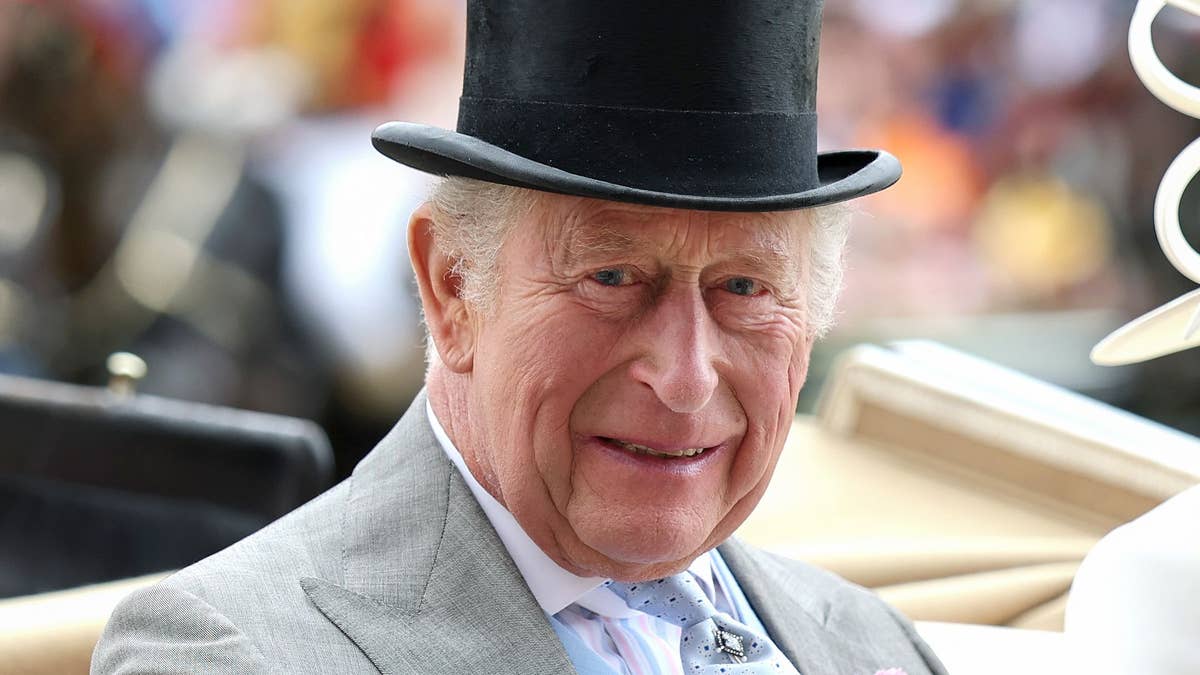
Photo: irishnews.com
The tax report will cover the 2024-2025 financial year, providing insight into the monarch’s private revenue streams. These include the Duchy of Lancaster—a private portfolio of land, retail, and industrial properties—alongside private savings and income from the Balmoral and Sandringham estates. The Express reports that the Duchy of Lancaster generated £26.8million for the King in the 2024/2025 period.
While the King voluntarily pays the highest rate of income tax on his private income, the exact amounts have previously been undisclosed. The new disclosures aim to provide what the palace calls “clarity and accessibility” regarding these payments. Future tax details for the 2025-2026 period are scheduled for release next year, following the completion of an audit.
Contrasting Financial Models: The Prince of Wales
VERIFY: Does King Charles III have to pay an inheritance tax?
The King’s move to publish his tax information creates a notable contrast with the Prince of Wales, who has not disclosed his own tax payments since becoming heir to the throne. As The Irish News notes, the Prince of Wales receives income from the Duchy of Cornwall, which provided him with nearly £23 million in the last financial year.
The financial structures of the two estates differ in their historical purpose and current application:
Duchy of Lancaster: Historically known as the Privy Purse, designed to provide the monarch with an independent source of income for both official and private expenditure.
Duchy of Cornwall: A billion-pound hereditary estate that provides the heir to the throne with funds independent of the monarch.
The Prince of Wales has recently engaged in significant financial transactions, including reports that he plans to invest £500 million from the sale of portions of his estate to drive a “positive impact on the world.” Despite these high-profile activities, his specific tax contributions remain private.
Ongoing Scrutiny of Royal Properties
The move toward greater financial transparency coincides with external audits of royal property management. A recent report by the National Audit Office highlighted that the King has been covering the accommodation costs for Princess Beatrice and Princess Eugenie. These arrangements have drawn attention because the rental values were calculated based on out-of-date open market valuations, with the princesses paying below-market rates.
According to the National Audit Office, the rental rates for these residences have been adjusted upward in recent years, though the specific amounts paid by the King to cover these costs remain private. The palace maintains that these transparency measures are part of a broader commitment to modernize the institution’s financial practices, acknowledging that they “continue to modernise and evolve” in response to public interest.
ail: emily.johnson@headlinez.news
Bio:
Emily Johnson serves as News Editor at Headlinez.News, overseeing the publication’s coverage of national and breaking stories. She has worked in journalism for more than 12 years, building a reputation for precision, credibility, and rapid-response reporting. Emily’s editorial philosophy focuses on clear, fact-based writing that helps readers understand the full context behind the day’s most important events. Her expertise bridges traditional reporting and modern digital news strategies.
Expertise: Breaking news, political reporting, fact-checking, newsroom coordination, public affairs.
Location: Washington, D.C., USA

:max_bytes(150000):strip_icc():focal(749x0:751x2)/king-charles-portrait-050823-2-1ddcb49271be48f2b07682e5cec9c34e.jpg "A Historic Shift in Royal Financial Disclosure")


