

The Queen Elisabeth Competition reaches its grand finale tonight in Brussels, as the jury prepares to announce the winner of this year’s prestigious cello competition. Following a week of intense performances, the event has captivated audiences, with viewers from around the world invited to cast their votes for the public prize.
Highlighting the Finalists and the Public Prize
As the final evening of the competition unfolds, the spotlight remains on the remaining contenders who have defined the musical narrative of this edition. According to reporting from VRT, several performers have emerged as clear favorites among both the expert jury and the listening public. The field has been characterized by a distinct collision of styles, ranging from the intense, fiery technique of Álvaro Lozano Cames to the passionate, lyrical delivery of Ettore Pagano. The Canadian cellist Leland Ko has also drawn significant attention for his approach, which observers have characterized as a form of soft power.

The competition, hosted at the Centre for Fine Arts (BOZAR) in Brussels, represents one of the most grueling endurance tests in the classical music world. Finalists are required to perform a concerto of their choosing alongside a mandatory, unpublished work specifically composed for the competition—a commission that tests a performer’s ability to interpret new musical languages under high-pressure conditions. The jury, chaired by Gilles Ledure, includes esteemed cellists such as Gautier Capuçon and Mischa Maisky, who evaluate the candidates not only on technical precision but on their capacity for artistic risk-taking. The event is broadcast live via the competition’s dedicated platform, RTBF, and VRT, ensuring that the performances reach a global digital audience that frequently numbers in the hundreds of thousands.
The competition allows for a unique level of audience engagement, as fans are encouraged to participate in the selection of the public prize directly from their homes. This interactive element has become a hallmark of the event, bridging the gap between the high-stakes environment of the concert hall and the global audience watching via digital streams. The public prize, sponsored by the Belgian bank Proximus, adds a layer of democratic participation to an otherwise elite, jury-centric format. Voting closes shortly before the final announcement, and the winner of this audience-voted accolade often gains significant momentum in concert bookings across Europe and North America, independent of the jury’s official ranking.
Understanding the Language of Change
While the cultural discourse in Brussels centers on musical performance, the broader linguistic framework used to describe such events—and the bureaucratic shifts occurring elsewhere—often relies on specific prefixes to convey transformation. In English, the de- prefix serves as a versatile tool for indicating removal, separation, or the undoing of an action. Whether it is used to describe the decontamination of a process or the decentralization of a system, the prefix carries a weight of structural adjustment.
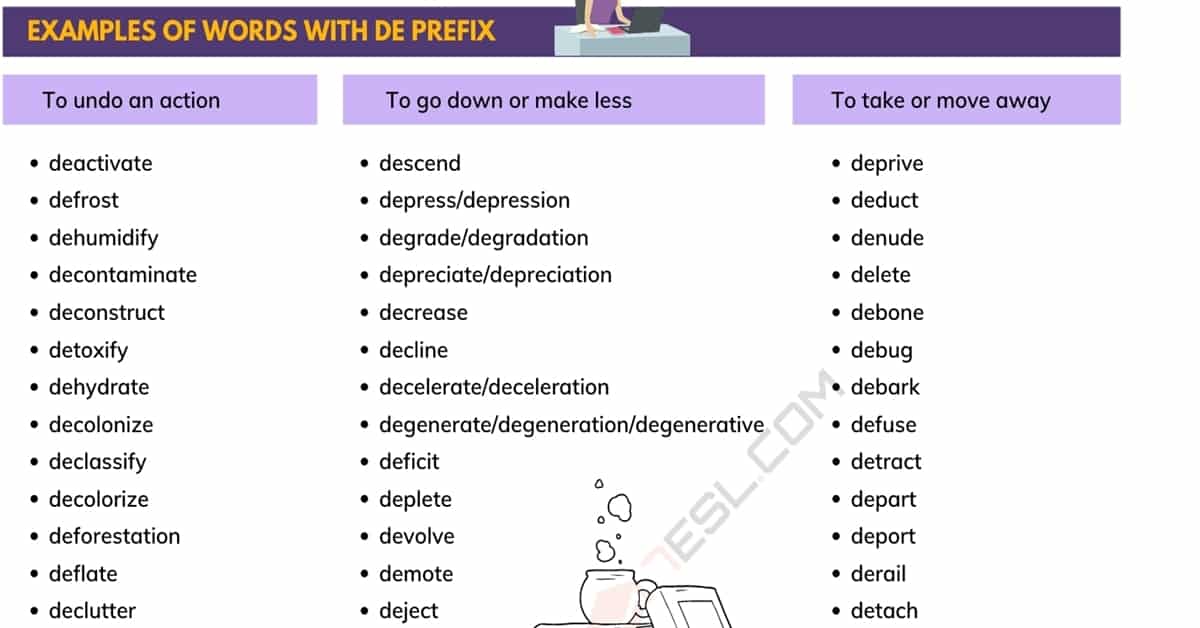
This linguistic precision is rarely more relevant than when organizations or governments announce new frameworks for efficiency. Just as a competition must refine its selection process to reach a final result, administrative bodies often utilize similar terminology to signal the stripping away of bureaucratic layers.
Administrative Reform in Delaware
Beyond the concert stage, the concept of streamlining complex processes has taken center stage in Delaware. Governor Matt Meyer recently announced the launch of the Permitting Accelerator, a central component of his JobsFirst initiative. The program is designed to address the challenges of regulatory navigation by cutting through administrative red tape.
The Permitting Accelerator specifically targets the Department of Natural Resources and Environmental Control (DNREC) and the Department of Transportation (DelDOT), two agencies historically cited by developers as primary bottlenecks for state infrastructure projects. According to the executive order signed by Governor Meyer, the initiative establishes a “concierge” service for priority projects, which are defined as those exceeding $50 million in capital investment or creating more than 200 permanent jobs. The Accelerator mandates a 90-day review target for these priority applications, a significant departure from the previous average wait times that often stretched between 180 and 365 days. By centralizing communication through a newly formed Office of Efficiency, the state intends to resolve inter-agency conflicting requirements before they reach the applicant, effectively “de-siloing” the review process.
The stated goal of the initiative is to accelerate critical projects while maintaining necessary environmental protections and ensuring that public input remains a part of the decision-making process. By creating a more coordinated permitting cycle, the state aims to deliver faster results for local families and businesses. This shift reflects a growing trend in public administration: the attempt to increase efficiency—or, in the language of prefixes, to decrease the time spent on legacy obstacles—without compromising the integrity of the underlying project. The JobsFirst initiative also includes a provision for quarterly reporting to the Delaware General Assembly, ensuring that the executive branch remains accountable for the reduction in processing times and that transparency is maintained throughout the accelerated review cycles.
What Lies Ahead
For the finalists in Brussels, the next few hours will determine the trajectory of their burgeoning careers. The jury’s decision, expected after midnight, will close a chapter on a week that showcased international talent and distinct artistic temperaments. The laureate will receive a significant cash prize of €25,000, along with a series of concert engagements and the opportunity to record with the Alpha Classics label. Beyond the monetary reward, the prestige of the Queen Elisabeth Competition often serves as a primary credential for securing management representation with top-tier agencies like HarrisonParrott or IMG Artists, which are frequently represented in the audience during the final rounds.

Meanwhile, in the administrative offices of Delaware, the impact of the new Permitting Accelerator will be measured by the speed and success of the priority projects designated under the JobsFirst banner. The first cohort of projects to be processed under the new guidelines is expected to be announced in the third quarter of this year. State economic development officials have stated that the success of these early pilots will determine whether the “concierge” model is expanded to encompass smaller-scale residential developments and environmental permits in the following fiscal year.
Whether through the emotive power of a cello performance or the systematic recalibration of state permits, these developments highlight a common theme of the current moment: the focus on refinement, precision, and the removal of barriers to achieve a desired outcome. Both the Brussels stage and the Delaware executive offices are currently operating under the pressure of intense public scrutiny, reflecting a broader societal mandate for institutions to perform at higher levels of efficiency and excellence.
