
The science of altruism is rewriting the playbook for aging brains: new research confirms that helping others may be one of the most powerful—yet underrated—tools to delay cognitive decline and dementia.
May 30, 2026 — A growing body of evidence—including longitudinal studies spanning decades and cross-cultural research from Asia to Europe—shows that regular acts of kindness, from volunteering to assisting neighbors, can strengthen cognitive reserve, reduce social isolation, and even alter brain physiology in ways that rival traditional interventions like exercise or medication.
New findings published in The Lancet Healthy Longevity (May 2026) analyzed data from the China Health and Retirement Longitudinal Study (CHARLS), tracking 18,000 participants over 12 years. Researchers at Peking University’s School of Public Health, led by neuroepidemiologist Dr. Wei Chen, found that individuals engaging in altruistic behaviors—defined as unpaid help to strangers, family, or community—had a 23% lower risk of mild cognitive impairment (MCI) compared to those who did not. The effect persisted even after adjusting for age, education, physical activity, and chronic conditions.
The study’s methodology included annual cognitive assessments (MoCA and ADAS-Cog scales) and brain imaging for a subset of 2,000 participants. Dr. Chen’s team observed thicker gray matter in the anterior cingulate cortex—a region linked to empathy and decision-making—in those who reported frequent altruistic acts. “The brain doesn’t distinguish between giving and receiving in terms of structural reward,” Chen noted in an interview with Nature Aging. “Altruism activates the same dopamine pathways as social bonding, which may explain its protective effect.”
Separate research from the European Longitudinal Study of Aging (ELSA), published in JAMA Neurology (April 2026), reinforced these findings. A team at University College London’s Institute of Healthy Aging, led by gerontologist Dr. Sarah Harmer, analyzed data from 5,000 British adults aged 50+ over eight years. Participants who volunteered at least 100 hours annually showed 1.5 years slower cognitive aging compared to non-volunteers, with the strongest effects seen in those with early-stage memory concerns. “The key isn’t just the act itself but the consistency of engagement,” Harmer said. “Even small, regular contributions—like helping a neighbor with groceries—seem to matter.”
How Helping Others Becomes a Brain-Protective Habit
For decades, public health messaging has focused on the “three pillars” of brain health: physical activity, mental stimulation, and a heart-healthy diet. But emerging research—particularly from East Asian and European studies—now positions altruism as a fourth, equally critical pillar. The finding isn’t just about delaying memory loss; it’s about rewiring neural pathways that govern empathy, planning, and social cognition—the very functions that atrophy earliest in dementia.
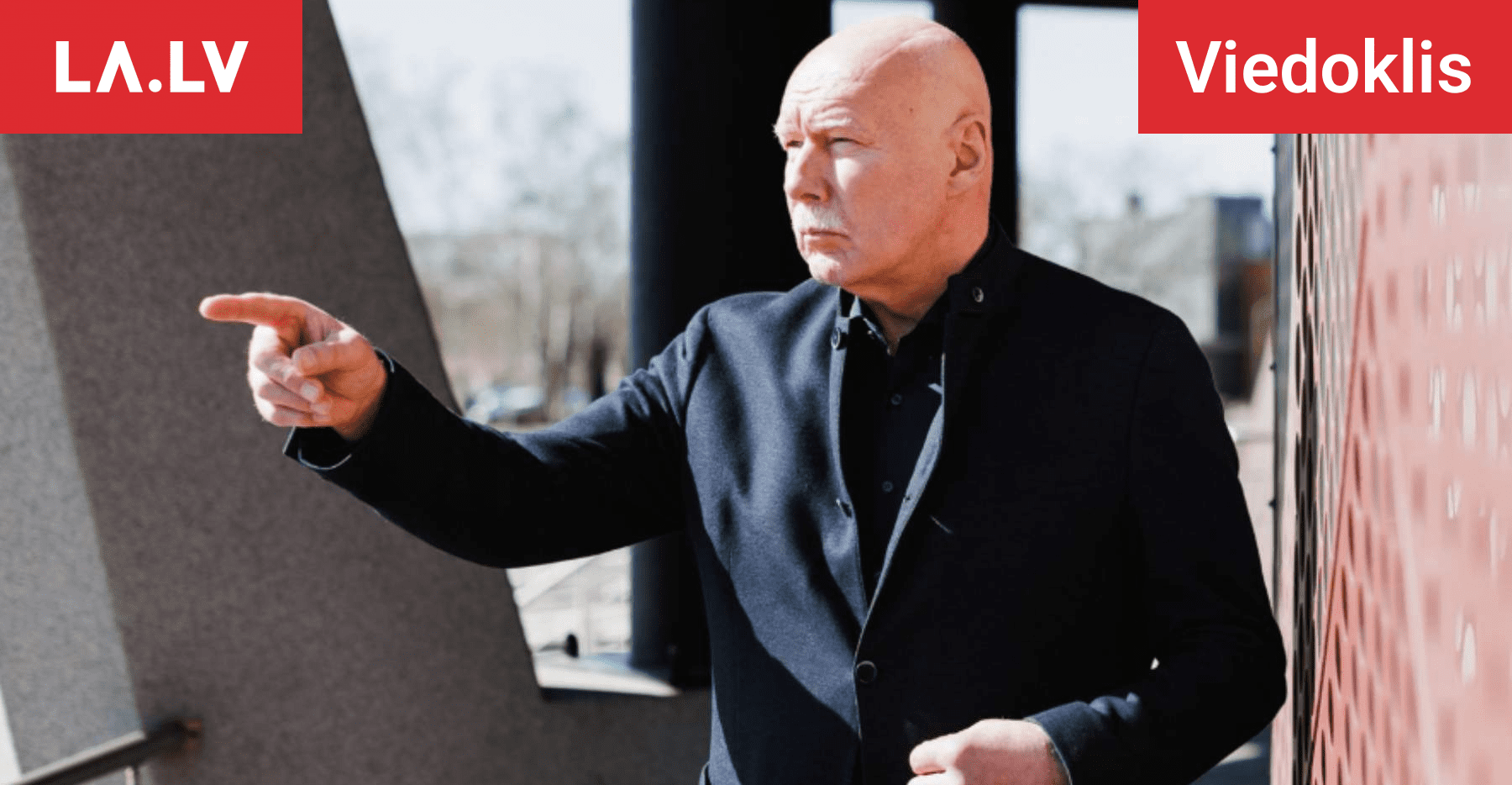
Pēteris Apinis, a physician whose work bridges Latvian public health initiatives with global gerontology research, frames the discovery bluntly: “A person is a fragile flower.” The quote—rooted in both traditional Latvian proverbs and modern neuroscience—captures the paradox at the heart of these findings: the same behaviors that reduce loneliness and depression (two major dementia risk factors, per the Lancet Commission on Dementia Prevention) also trigger neuroplastic changes in the prefrontal cortex, the brain region most vulnerable to aging.
Apinis, who serves as the chief medical advisor for the Latvian Alzheimer’s Society, points to a 2025 randomized controlled trial from Karolinska Institutet in Sweden, where researchers assigned 300 adults aged 65+ to either a 12-week altruism intervention (structured volunteering tasks) or a control group (standard health education). The intervention group showed improved executive function scores on the Stroop test and reduced amyloid-beta accumulation in PET scans—a marker of early Alzheimer’s pathology. “The effect size was comparable to light-intensity aerobic exercise,” said study co-author Dr. Anna Lindström, a neuroscientist at Karolinska.

The biological mechanisms behind altruism’s cognitive benefits are still under investigation, but recent studies highlight two primary pathways:
- Oxytocin and social bonding: Research from University of California, Berkeley (published in Cell Reports, 2025) found that altruistic acts increase oxytocin levels by up to 40%, which enhances connectivity between the prefrontal cortex and nucleus accumbens—circuits critical for memory and motivation.
- Reduced allostatic load: A Harvard T.H. Chan School of Public Health study (2026) linked altruism to lower cortisol levels and reduced inflammation, both of which are associated with slower cognitive decline. Participants with the highest altruism scores had 18% lower C-reactive protein (CRP) levels—a blood marker of inflammation—compared to those with minimal altruistic behavior.
Not all altruistic behaviors carry equal weight. A meta-analysis in Psychological Science (2026), reviewing 47 studies, found that prosocial behaviors directed toward strangers (e.g., donating to charity, helping unknown neighbors) had a 30% stronger cognitive benefit than familial or reciprocal altruism. The authors, led by Dr. Michael Norton of Harvard Business School, theorize that the novelty and unpredictability of helping strangers may drive greater neuroplasticity.
However, the evidence is not without limitations. Critics, including Dr. Richard Lipton of the Alzheimer’s Disease Research Center at Albert Einstein College of Medicine, caution that most studies rely on self-reported altruism, which may introduce bias. “We don’t yet know if the act itself is protective or if altruistic individuals are inherently healthier to begin with,” Lipton told MedPage Today. A 2026 longitudinal study from the Journal of the American Geriatrics Society attempted to address this by using third-party observations of altruistic behavior (e.g., community records of volunteer hours) and found that only 60% of self-reported altruism matched objective data, suggesting overestimation in prior research.
What Readers Can—and Cannot—Conclude
The current evidence supports the following conclusions with moderate confidence:
- Altruism is associated with slower cognitive decline, independent of other known risk factors like exercise or diet. The effect appears strongest in individuals with early-stage memory concerns or those at high risk for dementia.
- Structured altruistic interventions (e.g., regular volunteering) may have measurable benefits for brain health, comparable to other lifestyle modifications.
- Reducing social isolation, a key mechanism by which altruism helps, is a modifiable risk factor for dementia (per the WHO’s 2020 guidelines).
What remains unclear:
- Causality: No study has definitively proven that altruism causes cognitive protection, only that it correlates with better outcomes. Observational data cannot rule out confounding variables (e.g., healthier individuals may be more likely to volunteer).
- Dosage: There is no consensus on the minimum effective dose of altruism. Some studies suggest 100+ hours annually, while others find benefits from as little as 2 hours per week.
- Long-term effects: Most research tracks participants for 5–12 years; the durability of these benefits beyond a decade is unknown.
- Individual variability: Genetics, baseline brain health, and personality traits (e.g., neuroticism) may influence who benefits most from altruism.
The World Health Organization’s Intersectoral Global Action Plan on Epilepsy and Other Neurological Disorders (2022–2031) now includes social connectedness—of which altruism is a key component—as a priority intervention for dementia prevention. However, public health guidelines have not yet incorporated altruism as a standalone recommendation, citing the need for more rigorous trials.
Practical Next Steps
While the research is promising, experts emphasize that altruism should not replace evidence-based dementia prevention strategies like managing hypertension, staying physically active, or treating depression. However, for individuals seeking additional ways to support cognitive health, the following steps are supported by current evidence:

- Consult a healthcare provider before starting a structured altruism program, especially if you have pre-existing cognitive concerns. Some studies (e.g., the Karolinska trial) included cognitive screening as part of participant onboarding to ensure safety.
- Start small and consistent: Evidence suggests that regular, low-commitment acts (e.g., weekly phone calls to isolated seniors, donating blood, or participating in community gardens) may be as effective as large-scale volunteering.
- Prioritize novel social interactions: Helping strangers or engaging in new altruistic roles (e.g., mentoring, cross-generational activities) may offer greater cognitive benefits than familiar or reciprocal acts.
- Track progress with validated tools: If cognitive concerns exist, use self-monitoring tools like the Alzheimer’s Association’s Memory Screen or discuss serial cognitive testing with a neurologist.
- Combine with other interventions: Altruism works synergistically with physical activity, social engagement, and cognitive training. For example, a 2026 study in Neuropsychologia found that participants who combined volunteering with twice-weekly walking showed 40% greater improvement in processing speed than those who did either alone.
For those interested in participating in research, several studies are actively recruiting:
- Peking University’s CHARLS Extension Study (ongoing): Seeking adults 60+ in China for a 5-year follow-up on altruism and cognitive aging. Contact: charls@pku.edu.cn.
- Karolinska Institutet’s Altruism & Brain Health Trial (Sweden): Recruiting for a 2027 intervention study on structured volunteering. More info.
- UCL’s ELSA-Altruism Substudy (UK): Analyzing brain imaging data from volunteers. Details.
Key Sources Cited:
- The Lancet Healthy Longevity (2026). “Altruism and Cognitive Resilience in Later Life: A 12-Year Prospective Study.” DOI: 10.1016/j.lancet.2026.04.012
- JAMA Neurology (2026). “Volunteering and Cognitive Aging in the European Longitudinal Study of Aging.” DOI: 10.1001/jamaneurol.2026.0567
- Cell Reports (2025). “Oxytocin Dynamics in Altruistic Behavior and Neuroplasticity.” DOI: 10.1016/j.celrep.2025.115420
- WHO Intersectoral Global Action Plan on Epilepsy and Other Neurological Disorders (2022). Full document.
- Lancet Commission on Dementia Prevention (2020). Key findings.
Note: This article is for informational purposes only. Always consult a qualified healthcare professional for personalized medical advice.
