
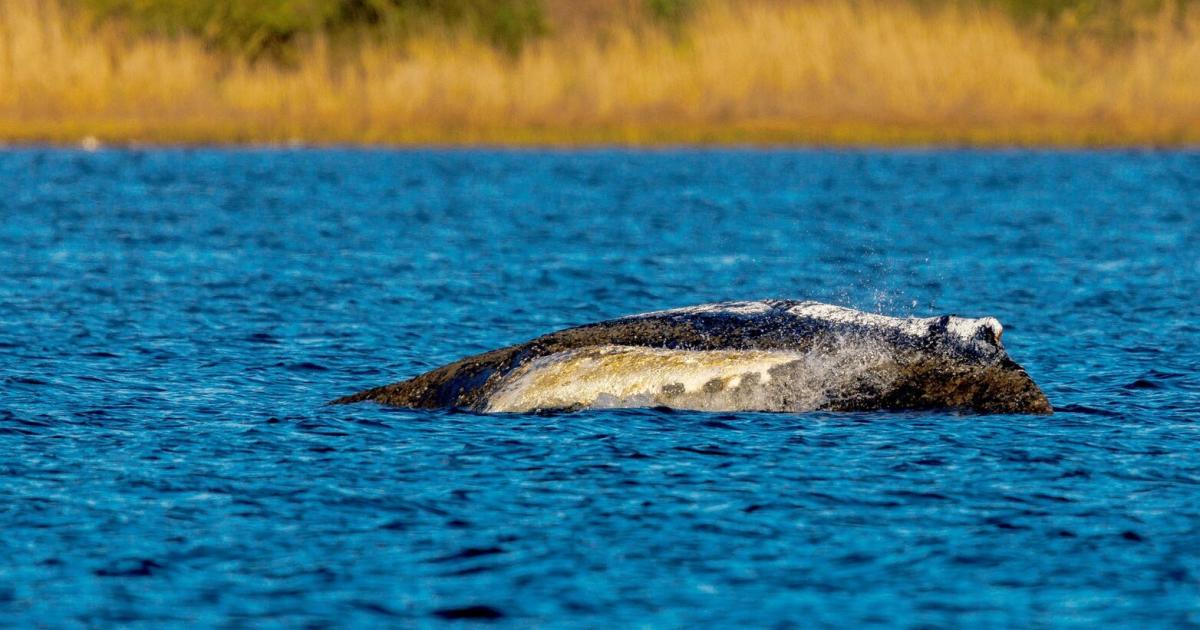
The rotting carcass of a humpback whale named “Timmy” was dragged onto the beach of Denmark’s Anholt Island on Saturday, May 30, 2026, after weeks of debate over whether the animal could—or should—have been saved. The 25-year-old Danish whale researcher leading the autopsy called the earlier rescue attempt “pure animal torture,” while locals question why Germany’s media treated the whale as a celebrity.
From German “Celebrity” to Danish Nightmare
What began as a viral sensation in Germany—where “Timmy” was dubbed a “prominent whale” and followed by scientists, activists, and the public—has ended in a Danish environmental nightmare. The 15-meter (50-foot) carcass, bloated by two weeks of decomposition in shallow waters, was pulled ashore Saturday after failing a previous attempt to tow it to deeper sea. The Danish Environmental Agency warned residents to stay away: the stench will be overwhelming, and the risk of infection from handling the corpse is high.

For the 130 residents of Anholt, a quiet island in the Kattegat Strait, the whale’s arrival is less about conservation and more about cleanup. “I don’t understand why the Germans made such a fuss over this whale,” a local named Susanna told reporters. “Now we’re stuck with the mess.” The carcass lies near the island’s most popular beach, and authorities have cordoned off the area while preparing for an autopsy next week.
The Autopsy: A Dangerous Undertaking
Biologist Peter Teglberg Madsen, Denmark’s most experienced whale necropsy specialist, will lead the team. His warning is blunt: “Opening this whale is like defusing a bomb.” The carcass contains enough built-up gases from decomposition to explode when cut, sending “kilogram-weight chunks of flesh flying,” he said. “We’ve had experience with this—it can kill you.”
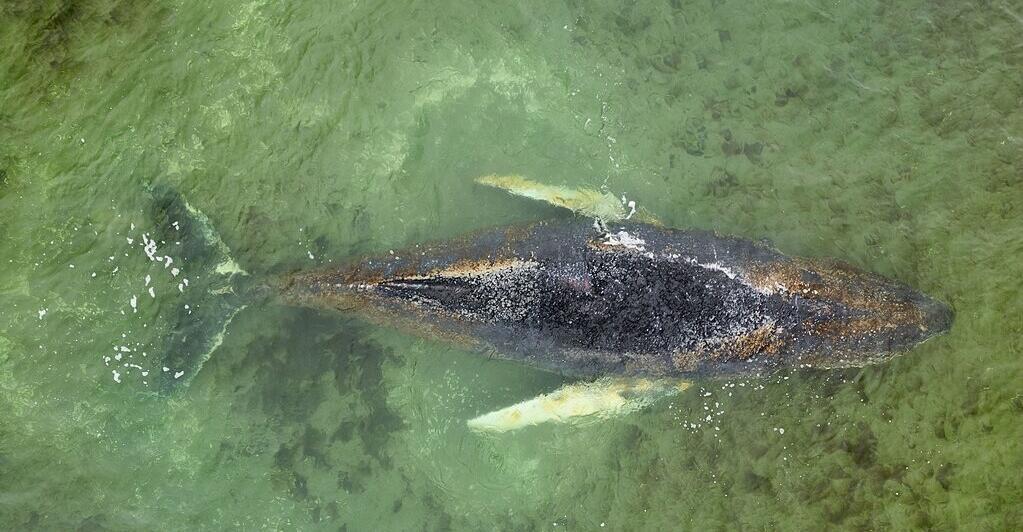
Madsen’s team will work in full protective gear—gloves, masks, and waterproof suits—to avoid infection from bacteria and viruses. The process begins with “entgasung,” or controlled venting of the gases using a long-handled knife. Only then will they dissect the whale to determine its cause of death, check for plastic or fishing net debris in its stomach, and examine its organs for signs of disease.
“The stench will be overwhelming, but you get used to it. The real danger is the explosion.”
The Failed Rescue: Why Experts Called It “Animal Torture”
Timmy’s story took a dramatic turn after he was spotted repeatedly stranded near Germany’s Poel Island in Mecklenburg-Vorpommern. Against the advice of German marine biologists, a private initiative—backed by the state environment ministry—decided to transport the whale by boat to the North Sea, where they hoped it could recover. The plan failed spectacularly.
Madsen, who called the rescue “pure animal torture”, argues the whale was already too weak to survive. “It was clearly sick and exhausted—you don’t drag a dying animal across the ocean in a metal cage,” he said. “It was exposed to waves, engine noise, and then dumped into the sea. That’s not rescue—that’s cruelty.”
German officials had initially resisted intervention, but public pressure—fueled by social media campaigns and media coverage—pushed them to allow the private effort. The whale’s repeated strandings, combined with its celebrity status, made inaction politically risky. Yet Madsen’s criticism reflects a growing divide between public sentiment and scientific caution.
The German-Danish Divide: Media Hype vs. Local Frustration
The contrast between Germany’s media treatment of Timmy and Denmark’s pragmatic response highlights a cultural clash. In Germany, the whale became a symbol of environmental concern, with activists framing its plight as a call to action against plastic pollution and industrial fishing. But in Denmark, where whales are a familiar sight, the focus is on cleanup and science.
Madsen’s frustration is palpable: “We see healthy humpback whales in the Danish waters every summer. When a whale strands multiple times, it’s usually because it’s already dying. This one was doomed from the start.” His team will now search for signs of illness, starvation, or external trauma—though Madsen suspects the whale may have been entangled in fishing gear, a common cause of death for marine mammals.
For the people of Anholt, however, the whale’s legacy is less about its life and more about the disruption it’s caused. The island’s tourism industry relies on its pristine beaches, and the carcass’s stench—expected to linger for days—could deter visitors. “We’re not against saving whales,” one local told reporters. “But we’re also not a dumping ground for Germany’s problems.”
What Happens Next? The Science—and the Fallout
The autopsy, set for next week, will determine whether Timmy’s death was the result of illness, entanglement, or another factor. Madsen’s team will also analyze tissue samples for pollutants, parasites, and signs of infection. The findings could provide clues about the health of humpback populations in the North Sea—but they won’t change the fact that the whale’s rescue attempt backfired.

In the meantime, Denmark’s environmental authorities are facing criticism for not acting sooner to remove the carcass. The delay—caused by failed towing attempts and logistical challenges—left the whale to decompose in shallow waters, increasing the risk of contamination and public health concerns. The island’s residents, meanwhile, are left wondering why a whale that couldn’t be saved became such a media sensation in the first place.
The story also raises broader questions about how societies balance public emotion with scientific caution. Should every stranded whale be rescued, no matter the cost? Or is there a point where intervention becomes more harmful than letting nature take its course? For Madsen, the answer is clear: “If a whale is already dying, the kindest thing is to leave it in peace.”
As for Timmy’s legacy, it may live on—not as a symbol of conservation success, but as a cautionary tale about the unintended consequences of well-meaning but misguided interventions.
