
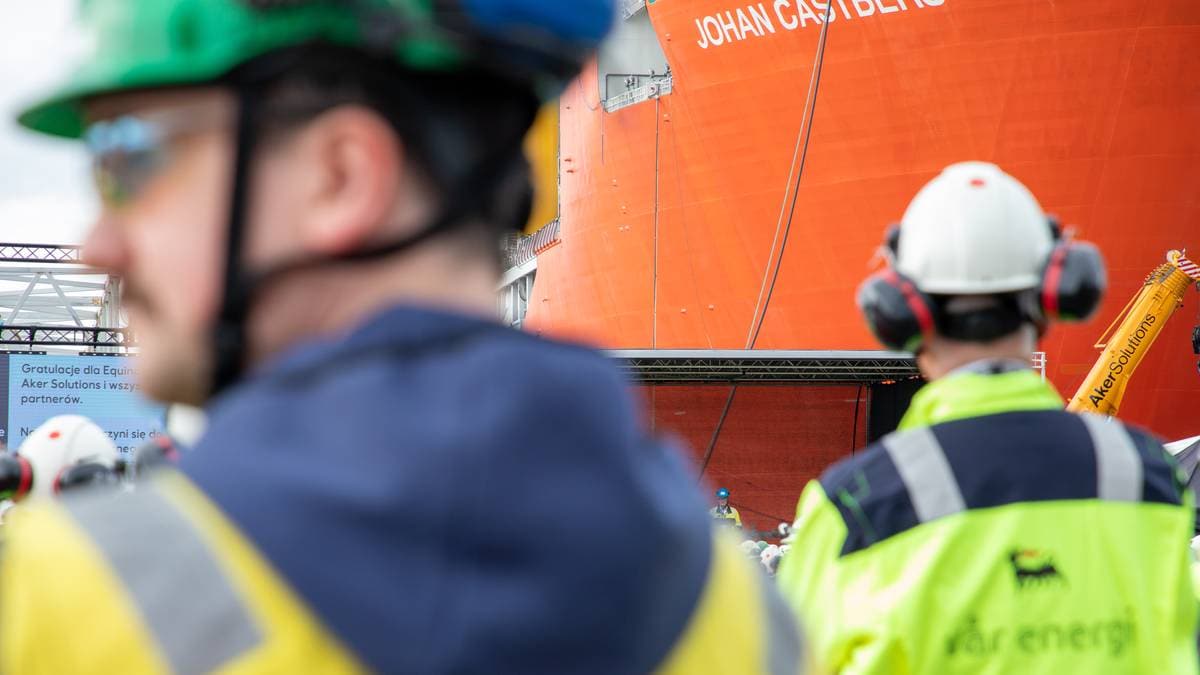
Equinor is marking 50 years of operations in Harstad, Norway, where its northern hub now produces 35% of the company’s total oil and gas output on the Norwegian Continental Shelf—while planning to double down on Arctic exploration with new discoveries and infrastructure investments. The milestone, celebrated this week, underscores the region’s growing role in Europe’s energy security as geopolitical tensions reshape global supply chains.
Why Harstad Is Now Equinor’s Northern Powerhouse
When Equinor (then Statoil) opened its first office outside Stavanger in 1976, it was a modest operation with a single employee. Today, the Harstad hub employs over 1,200 people across Nordland, Troms, and Finnmark—making it one of Norway’s largest private-sector employers—and oversees fields that together produce more than 500,000 barrels of oil equivalents daily. That output represents 35% of Equinor’s total production on the Norwegian shelf, according to the company’s official statement, and includes the massive Johan Castberg field in the Barents Sea, which began operations in 2025 after being discovered in 2011.
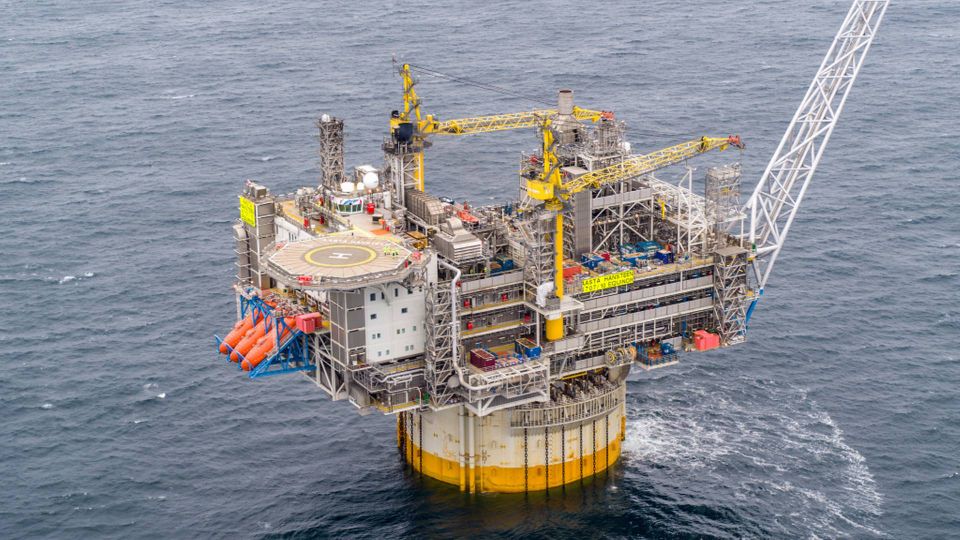
Harstad’s strategic importance has only grown as Europe seeks alternatives to Russian gas and Middle Eastern oil. The region’s infrastructure—from the Melkøya LNG plant in Hammerfest to the Johan Castberg FPSO (floating production storage and offloading vessel)—now directly supports European energy markets. As Equinor’s area director Grete Birgitte Haaland told NRK Troms and Finnmark, “We’re planning for at least another 50 years of operations here—and we’ll do it differently than we have before.”
The Numbers Behind the Arctic Boom
Equinor’s Arctic ambitions are backed by hard data. The company reports that local suppliers in Nord-Norge have seen their contracts jump from 2.6 billion NOK in 2023 to an estimated 4 billion NOK in 2025, reflecting both expanded drilling and maintenance needs. Meanwhile, the Johan Castberg field—originally estimated to hold 500–700 million barrels—now targets an additional 200–500 million barrels through further exploration, per Equinor’s press release. The company has already secured investment approval for the Isflak subsea field, which will tie into Castberg’s infrastructure, and plans to drill one to two exploration wells annually in the area.
| Field | Location | Production Start | Current Status |
|---|---|---|---|
| Johan Castberg | Barents Sea | 2025 | Operational; expansion planned |
| Snøhvit | Barents Sea | 2007 | LNG production at Melkøya |
| Norne | Norwegian Sea | 1997 | Ongoing production |
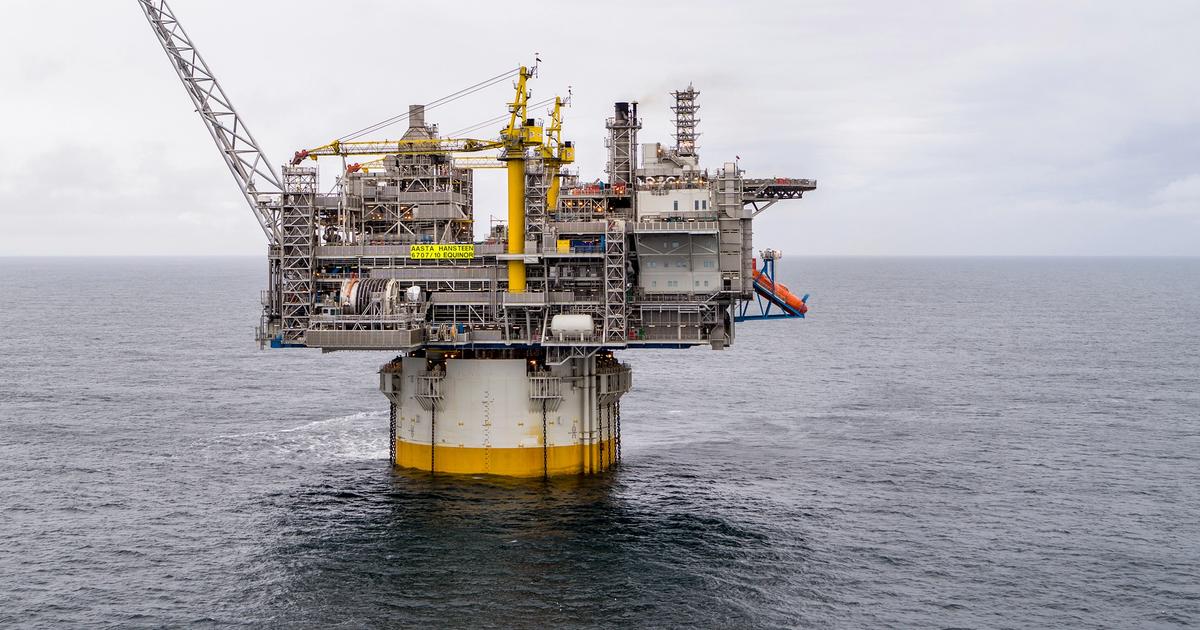
| Aasta Hansteen | Norwegian Sea | 2018 | Operational |
The push into the Barents Sea isn’t just about volume—it’s about securing Europe’s energy future. As Equinor’s CEO Anders Opedal noted during the 50th-anniversary celebrations, “The oil from Castberg is particularly valuable because it’s easy to refine into jet fuel and diesel—critical as global demand surges this summer.” The company also highlighted its role in supplying India with LNG for fertilizer production, linking Arctic gas directly to global food security.
What’s Next: The Arctic’s Uncertain Future
The Arctic isn’t without risks. Climate change is altering ice patterns, forcing Equinor to adapt its drilling and logistics. Yet the company insists its long-term strategy remains intact. “We’re not just talking about 50 years—we’re planning for a future where Arctic operations are more efficient, more sustainable, and more integrated with existing infrastructure,” Haaland said. The challenge will be balancing expansion with environmental concerns, particularly as Norway faces pressure to align with its 2050 carbon-neutral goals.

For Harstad’s workforce, the outlook is bright. With 350 employees at the Harstad office alone and plans to grow, the region’s oil and gas sector continues to attract talent. Reservoir engineer Vilde Kristoffersen, profiled by iHarstad, called the industry “vital” for Norway’s economy—and for her career. “Working on Johan Castberg from Harstad means you’re directly involved in shaping Europe’s energy future,” she said.
The Bigger Picture: Europe’s Energy Gamble
Equinor’s Arctic expansion reflects a broader European strategy to reduce reliance on volatile suppliers. With Russia’s gas flows still disrupted and Middle Eastern production constrained, Norway’s northern fields have become a linchpin. The question now is whether this model can scale—and whether the industry can do so without repeating past environmental missteps. As Opedal put it, “The energy transition is happening, but it won’t happen overnight. For now, we’re delivering the fuel Europe needs while preparing for the day when renewables take over.”
For Harstad, the next 50 years promise both opportunity and challenge. The city’s fate is now inextricably tied to the Arctic’s oil and gas future—and whether Equinor can navigate the shifting tides of global energy politics.
