
European Aviation Sector Braces for ‘Systemic Crisis’ as Hormuz Strait Blockade Tightens
The European aviation industry is warning of a potential “systemic crisis” regarding jet fuel supplies following the military blockade of the Strait of Hormuz. The ACI Europe airport association has issued an urgent appeal to Brussels, stating that a failure to stabilize traffic through the strait within three weeks could lead to widespread aviation fuel shortages across the European Union.
The criticality of the situation stems from the EU’s heavy reliance on the route, as approximately 40% of the bloc’s refined kerosene is imported via the Strait of Hormuz. Because transport ships typically require a month to reach European territory, the current disruption threatens to create an immediate supply gap. This volatility underscores the fragile nature of global energy logistics during geopolitical conflict.
The crisis was precipitated by U.S. President Donald Trump’s announcement on Monday, April 13, 2026, that the United States would implement a total military blockade of the route starting at 11:00 AM Brasília time. This move triggered immediate market reactions, causing oil prices to spike. In response, Iran has issued threats of retaliation.
The economic stakes for Europe are substantial. According to ACI Europe, air transport supports roughly 14 million jobs and generates approximately €851 billion in GDP. Director-General Olivier Jankovec warned in a letter to European Energy and Transport commissioners that a prolonged interruption would directly impact airport operations, connectivity, and the broader economy, particularly as the high-demand summer season approaches. Such a shortage would likely disrupt high-value exports and the tourism sector.
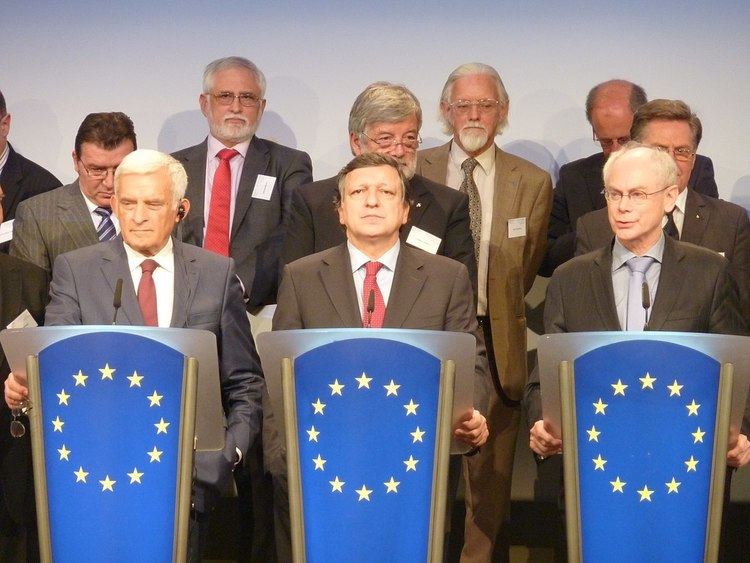
The geopolitical fallout has been swift. Russia, China, and the European Union all voiced opposition to the closure on April 13. China’s Ministry of Foreign Relations, via spokesperson Guo Jiakun, stated the blockade “does not serve the interests of the international community” and urged a return to diplomatic resolutions. Russia noted that the move restricts global oil supply and damages markets, even as European Commission President Ursula von der Leyen emphasized that restoring freedom of navigation is “fundamental” for stability in the Middle East.
In an effort to bypass the deadlock between the U.S. And Iran, France and the United Kingdom are coordinating a separate strategy. According to reports from the Wall Street Journal, President Emmanuel Macron and Prime Minister Keir Starmer are planning a “purely defensive” naval mission. This proposed operation would involve non-belligerent nations—specifically excluding the U.S., Israel, and Iran—to assist trapped vessels, clear Iranian-laid mines, and provide military escorts for commercial shipping. Germany is expected to participate, providing essential resources and fiscal support, while China and India have been invited to join the effort.
The operational impact is already being felt by carriers. Some airlines are already warning of potential flight cancellations as fuel uncertainty grows. Specifically, Ryanair has alerted passengers to the risk of cancellations during the upcoming European summer peak.
The ACI Europe association is now calling on the European Commission to urgently oversee the kerosene market, citing a lack of community-wide assessments regarding current production, availability, and reserves.
