
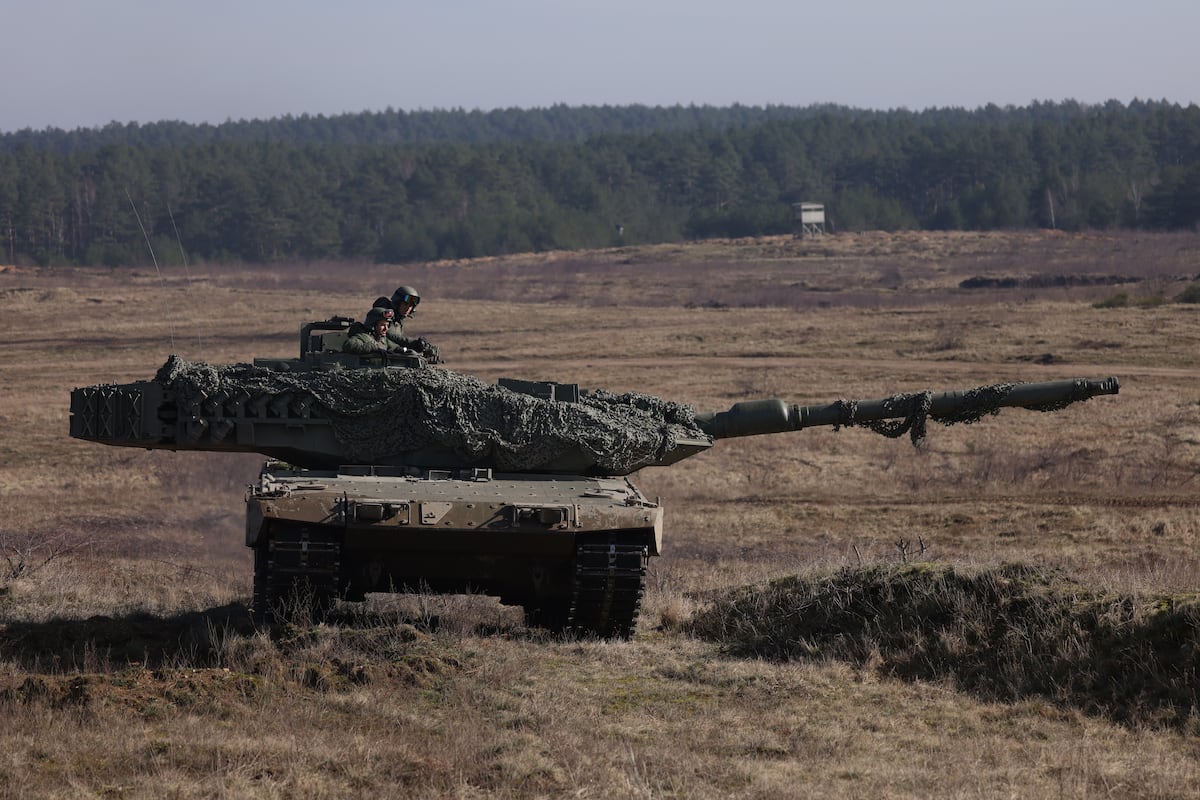
The European union is taking concrete steps to strengthen its military readiness amid heightened security concerns on the continent. A new proposal unveiled by the European Commission aims to eliminate logistical roadblocks that currently hamper the swift movement of troops and equipment across member states, mirroring a “Schengen area” concept for military transport. The initiative comes as European leaders reassess defense strategies in light of Russia’s ongoing aggression in Ukraine and increasingly recognize the need for greater strategic autonomy – a shift spurred by recent audits revealing critically important deficiencies in the EU’s ability to rapidly deploy forces. The plan represents a major financial commitment, with a proposed €17 billion investment in military mobility as part of the next long-term EU budget.
Europe is accelerating plans to bolster its defense capabilities, aiming to overcome logistical hurdles that currently impede the rapid deployment of troops and military equipment. The move comes as concerns grow over potential threats from Russia and a recognition that the post-Cold War “peace dividend” is over.
A key component of the initiative, unveiled Wednesday by the European Commission, is the creation of a “military Schengen area” designed to streamline the cross-border movement of forces and weaponry. Currently, securing permits for military transit can take weeks or even months due to bureaucratic delays, and existing infrastructure – including roads, bridges, and rail networks – is often unsuitable for heavy military transport.
“You can’t defend a continent if you can’t move across it,” said Transport and Tourism Commissioner Apostolos Tzitzikostas, outlining the proposal to journalists. “Solid logistics networks can make the difference between winning and losing a war.”
The plan centers on harmonizing regulations to expedite the bureaucratic process for troop mobilization. Each country would designate a national coordinator to serve as a single point of contact for managing military transport requests. Under the proposal, nations would be legally obligated to respond to transit requests within three days during peacetime.
In emergency situations – triggered by a member state’s request and subsequent approval by the Council – the response time would be reduced to just hours, and member states would, in principle, be unable to deny access. However, discussions are ongoing regarding potential exceptions for Austria, Ireland, Cyprus, and Malta, all of which maintain a policy of military neutrality.
The “military Schengen” also envisions a solidarity fund, modeled after the EU Civil Protection Mechanism, which facilitates the rapid deployment of aid in the event of natural disasters. This fund would establish reserves of military assets and transport resources – including trains, ferries, and strategic airlift capabilities – available to member states.
Alongside easing movement, the Commission’s plan includes a significant focus on upgrading European infrastructure to meet military requirements. “We need a network of roads, rail networks, ports, airports, tunnels, etc., that meet military requirements – that is, that are suitable for supporting the loads, weights, and sizes of military equipment,” Tzitzikostas explained.
Rather than building entirely new infrastructure, the focus will be on improvements. More than 500 projects – details of which are being kept confidential for security reasons – have been identified, prioritizing those that can be implemented quickly to enhance capabilities. These include reinforcing roads and rail lines, widening tunnels, and expanding port facilities. The effort is being coordinated with NATO, to which 23 of the 27 EU member states belong.
The plan follows a recent report from the European Court of Auditors, which highlighted significant shortcomings in the EU’s ability to rapidly deploy its military forces. The auditors warned that the budget allocated to this critical area had been underestimated and that bureaucratic and infrastructural “bottlenecks” were hindering progress.
The Commission is responding with a substantial increase in funding. The proposed budget for the next long-term EU budget (2028-34) allocates up to €17 billion to military mobility – ten times the amount in the current budget. Brussels estimates that fully implementing military mobility across the EU will require a total investment of up to €100 billion, funded through a combination of national budgets, cohesion funds, and the SAFE fund, which provides loans for joint defense procurement.
The development underscores the growing recognition within the EU of the need to enhance its defense capabilities and strategic autonomy in a changing geopolitical landscape. The proposals now move to the European Parliament and member states for review and approval.
