

France and Spain have suspended train services and closed schools as a heatwave exceeding 40°C impacts Western Europe, according to national weather agencies and official statements dated June 18, 2026.
Rail Cancellations and School Closures Paralyze Daily Life
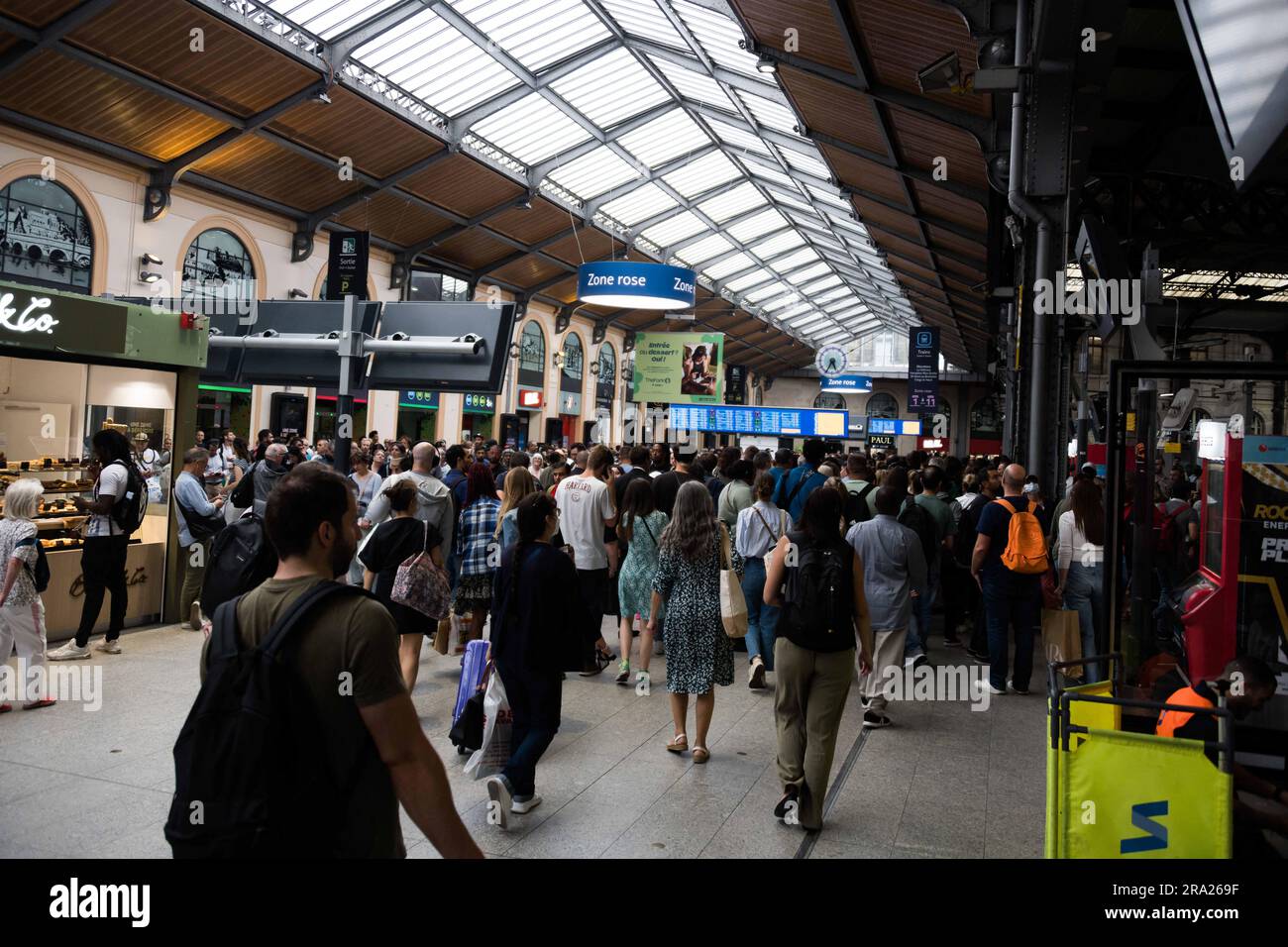
The French Ministry of Transport confirmed that over 300 regional train services were canceled on June 18, citing safety measures to prevent track deformation caused by extreme temperatures. Similar disruptions were reported in Spain, where Renfe, the national rail operator, suspended 180 services, particularly in southern regions like Andalusia and Castile-La Mancha.
Schools in 12 French departments, including Paris and Lyon, closed for at least one day, with officials urging students to avoid outdoor activities. In Spain, the Education Ministry reported closures in 15 provinces, emphasizing that "the health and safety of children are the priority," according to a statement released June 17.
Health Agencies Sound Alarms as ER Visits Surge
The European Centre for Disease Prevention and Control (ECDC) issued a heatwave alert on June 16, noting that temperatures in parts of France and Spain had reached "dangerously high levels" for several days. The ECDC recommended increased hydration, restricted outdoor work, and monitoring for heat-related illnesses.
In France, the National Institute of Health and Medical Research (INSERM) reported a 22% rise in emergency room visits for heat exhaustion compared to the same period in 2025. Spanish health authorities linked the heatwave to 14 confirmed fatalities, though the exact cause of death for each case is under investigation.
Diverging Strategies: France’s Precaution vs. Spain’s Restrictions
While both countries implemented transport and school closures, their approaches differed. French officials emphasized rail cancellations as a preventive measure, citing a 2023 study on track safety during extreme heat. Spanish authorities focused on restricting non-essential travel and advising businesses to limit operating hours.
The Andalusian regional government announced plans to open 500 "cooling centers" in public buildings, a measure not yet adopted by French authorities. A spokesperson for the French Interior Ministry stated, "We are monitoring the situation closely but have not yet deemed such measures necessary," as of June 18.
Heatwaves Now Last 2.5 Times Longer Than in the 1960s
The current heatwave aligns with a broader trend of rising temperatures in Europe. According to the European Environment Agency (EEA), the 2020s have seen an average temperature increase of 1.8°C compared to pre-industrial levels. Scientists warn that such extreme events will become more frequent without significant emissions reductions.

The EEA’s June 2026 report highlighted that "heatwaves now last 2.5 times longer than in the 1960s," with the 2026 event surpassing the 2003 and 2019 heatwaves in duration. However, no official comparison of this year’s event to past occurrences has been made by French or Spanish authorities as of June 18.
Emergency Teams Mobilized as Heatwave Lingers
Weather forecasts indicate the heatwave will persist through June 21, with temperatures expected to remain above 38°C in southern regions. Both countries have activated emergency response teams, but no unified regional strategy has been announced.
French President Emmanuel Macron’s office stated, "We are coordinating with neighboring countries to ensure a cohesive approach to this crisis," in a June 18 statement. Spanish Prime Minister Pedro Sánchez’s office did not respond to requests for comment by press time.
The situation underscores the growing challenge of climate adaptation in Europe, with transportation and education systems facing increasing pressure from extreme weather. As of June 18, no official plans for long-term infrastructure changes have been disclosed.
Find more reporting in our News section.
