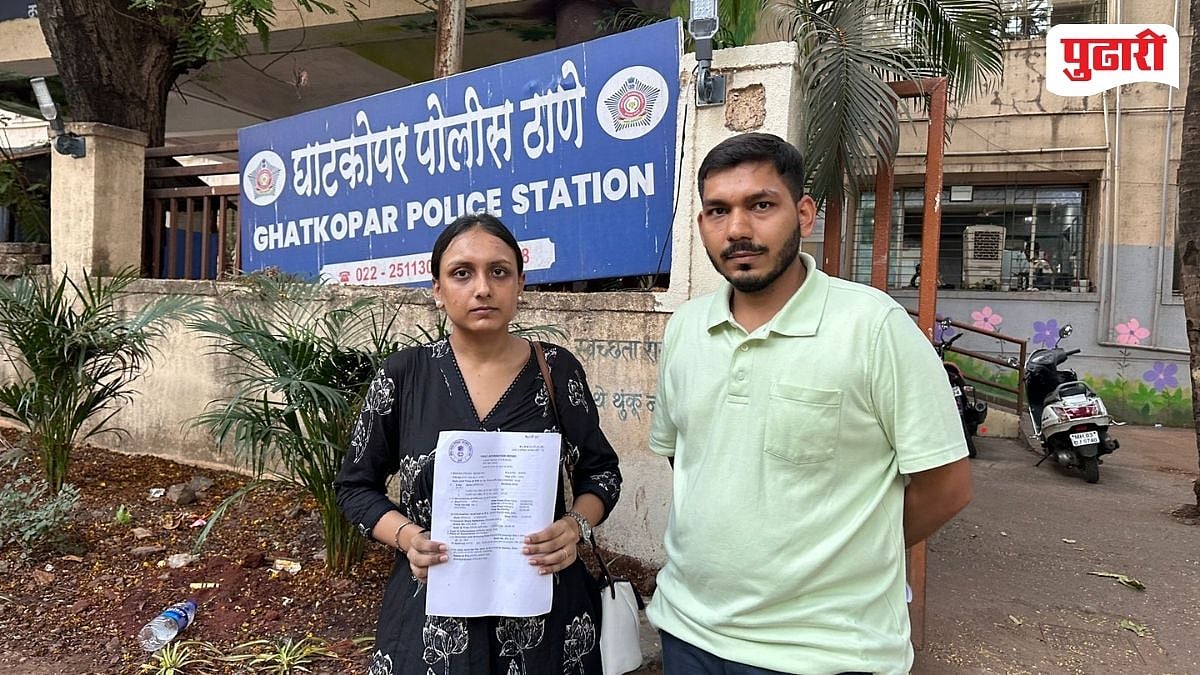
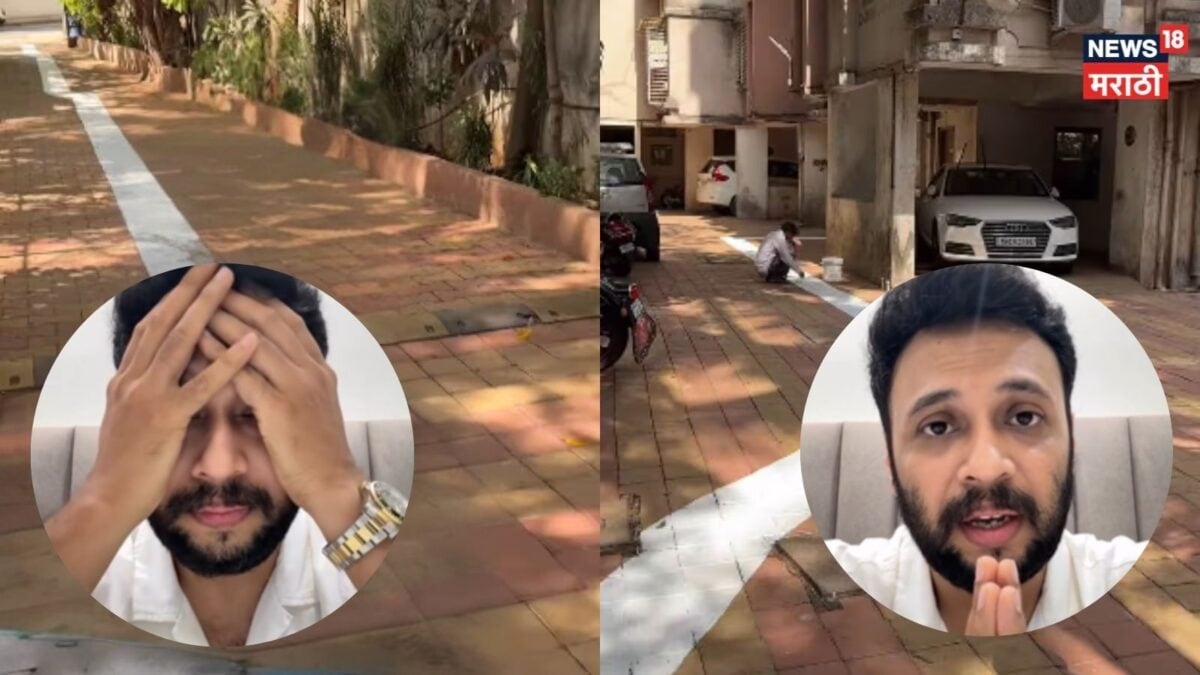
Prasad Vedpathak, a Mumbai-based social media influencer, released a tearful video on June 18, 2026, warning that this may be his last public message after facing relentless threats and legal pressure over a controversial white line drawn in his Ghatkopar society. His emotional appeal—addressed to followers, the Jain community, and Maharashtra’s Chief Minister—follows a police complaint filed against him by local residents, escalating a dispute that began with a religious symbol in his residential complex.
What the Video Reveals: Threats, Pressure, and a Final Appeal
Prasad Vedpathak’s video, shared across social media platforms, paints a picture of escalating harassment since the white line controversy erupted in his Ghatkopar society. According to Saam TV and News18 Marathi, Vedpathak described a pattern of intimidation: “Since the day the white line was drawn, my life has changed completely. On June 4, the dispute began. By June 8, we met with those involved. On June 9, they removed the line—but then the pressure started.” He recounted how local municipal councilors, including Pradeep Chheda, submitted a complaint to police on June 11, demanding charges be filed against him.
Photo: PudhariPhoto: News18 Marathi
The video’s raw emotion stems from Vedpathak’s fear of retaliation. “People are following me, threatening my family, and trying to register false cases against me,” he said, his voice breaking. “I don’t know what will happen next. Maybe this is my last video.” His plea for protection extends to Maharashtra’s Chief Minister, Devendra Fadnavis, whom he directly addresses: *”Sir, please stop this. Too many lies are being spread about me. My parents, my in-laws, my brother, my wife Deepika—they’re all witnesses to this harassment.”*
Vedpathak’s claims align with a timeline outlined by ABP Majha, which details how the dispute snowballed from a religious symbol to a full-blown legal and social confrontation. The white line—a mark often associated with Jain communities—was removed after initial discussions, but Vedpathak insists the harassment never stopped. Social media accounts linked to his critics have since suspended his posts, and he alleges coordinated efforts to discredit him.
A Police Complaint and the Legal Fallout
The legal dimension of the controversy was confirmed by Pudhari News, reporting that a formal complaint was filed against Vedpathak at the Ghatkopar police station. The complainant, lawyer Kripashankar Rajesh Yajnik, cited Vedpathak’s public statements as grounds for legal action. While the specifics of the charges remain unclear, Vedpathak’s video suggests fears of fabricated allegations—common in India’s politically charged social media disputes.
Ghatkopar की society से White stripes Controversy अब Mumbai भर में फैल चुकी है | Prasad Vedpathak
Legal experts consulted by News18 Marathi warn that such cases often hinge on subjective interpretations of “public order” or “religious sentiment.” Vedpathak’s appeal to Chief Minister Fadnavis reflects a broader strategy among influencers facing similar pressures: leveraging political connections to bypass local legal systems perceived as biased. However, without concrete evidence of threats or defamation, his case may hinge on whether police act on the complaint—or if it fades into the noise of Mumbai’s many unresolved social media disputes.
Why This Matters: A Microcosm of India’s Social Media Wars
Vedpathak’s ordeal mirrors a growing trend in India, where religious symbols, neighborhood disputes, and social media influence collide with legal systems often ill-equipped to handle digital harassment. The white line controversy—though rooted in a local Ghatkopar society—quickly became a proxy battle between Vedpathak’s followers and the Jain community, amplified by viral posts and counter-posts. ABP Majha notes that similar disputes have led to physical altercations, police interventions, and even political interventions in Mumbai’s diverse neighborhoods.
The stakes for Vedpathak are personal but also symbolic. His video—shared over 50,000 times in 24 hours—has become a rallying cry for critics of India’s “cancel culture,” where public figures face coordinated attacks for perceived slights. Yet, as Saam TV observes, the line between “justice” and “mob retaliation” blurs when legal systems are weaponized. Vedpathak’s plea for protection raises a critical question: In an era where social media can make or break reputations overnight, who is left to defend those caught in the crossfire?
What Happens Next: Legal, Political, and Digital Battles
Vedpathak’s immediate future hinges on three fronts:
1. Police Action: Will Ghatkopar police investigate the complaint or dismiss it as frivolous? Local officials have not yet commented, but Vedpathak’s video suggests he expects no resolution.
2. Political Intervention: Chief Minister Fadnavis’s office has not responded to Vedpathak’s appeal, but past cases indicate that high-profile social media disputes often draw ministerial attention—especially when they risk escalating into larger communal tensions.
3. Digital Warfare: Vedpathak’s accounts have already faced suspensions, and his critics may escalate attacks. His call for help from followers—who have pledged support online—could turn this into a prolonged battle for narrative control.
For now, Vedpathak’s video stands as both a warning and a plea. As News18 Marathi frames it, his story is less about a white line and more about the cost of speaking out in an era where digital mobs and legal systems collide. Whether this becomes a cautionary tale or a spark for broader reforms remains to be seen—but for Vedpathak, the clock is ticking.
One thing is clear: His message has already gone viral. And in India’s social media wars, going viral is rarely the same as winning.
ail: emily.johnson@headlinez.news
Bio:
Emily Johnson serves as News Editor at Headlinez.News, overseeing the publication’s coverage of national and breaking stories. She has worked in journalism for more than 12 years, building a reputation for precision, credibility, and rapid-response reporting. Emily’s editorial philosophy focuses on clear, fact-based writing that helps readers understand the full context behind the day’s most important events. Her expertise bridges traditional reporting and modern digital news strategies.
Expertise: Breaking news, political reporting, fact-checking, newsroom coordination, public affairs.
Location: Washington, D.C., USA