

A proposed U.S.-Iran agreement, announced on June 15, 2026, has failed to resolve key issues including nuclear program restrictions and regional security guarantees, according to a statement from the U.S. State Department. The deal, which aims to ease tensions after years of diplomatic stalemate, leaves critical disputes over uranium enrichment levels and U.S. military presence in the Middle East unaddressed, as reported by Reuters.
Key Unresolved Issues
The agreement’s primary shortcomings center on nuclear oversight and regional stability. U.S. officials confirmed that Iran has not agreed to limit its uranium enrichment to 3.67% as required by the 2015 Joint Comprehensive Plan of Action (JCPOA), a threshold deemed critical for preventing weaponization. “The core issue remains Iran’s refusal to accept international monitoring of its enrichment facilities,” a State Department spokesperson said in a June 16 statement.
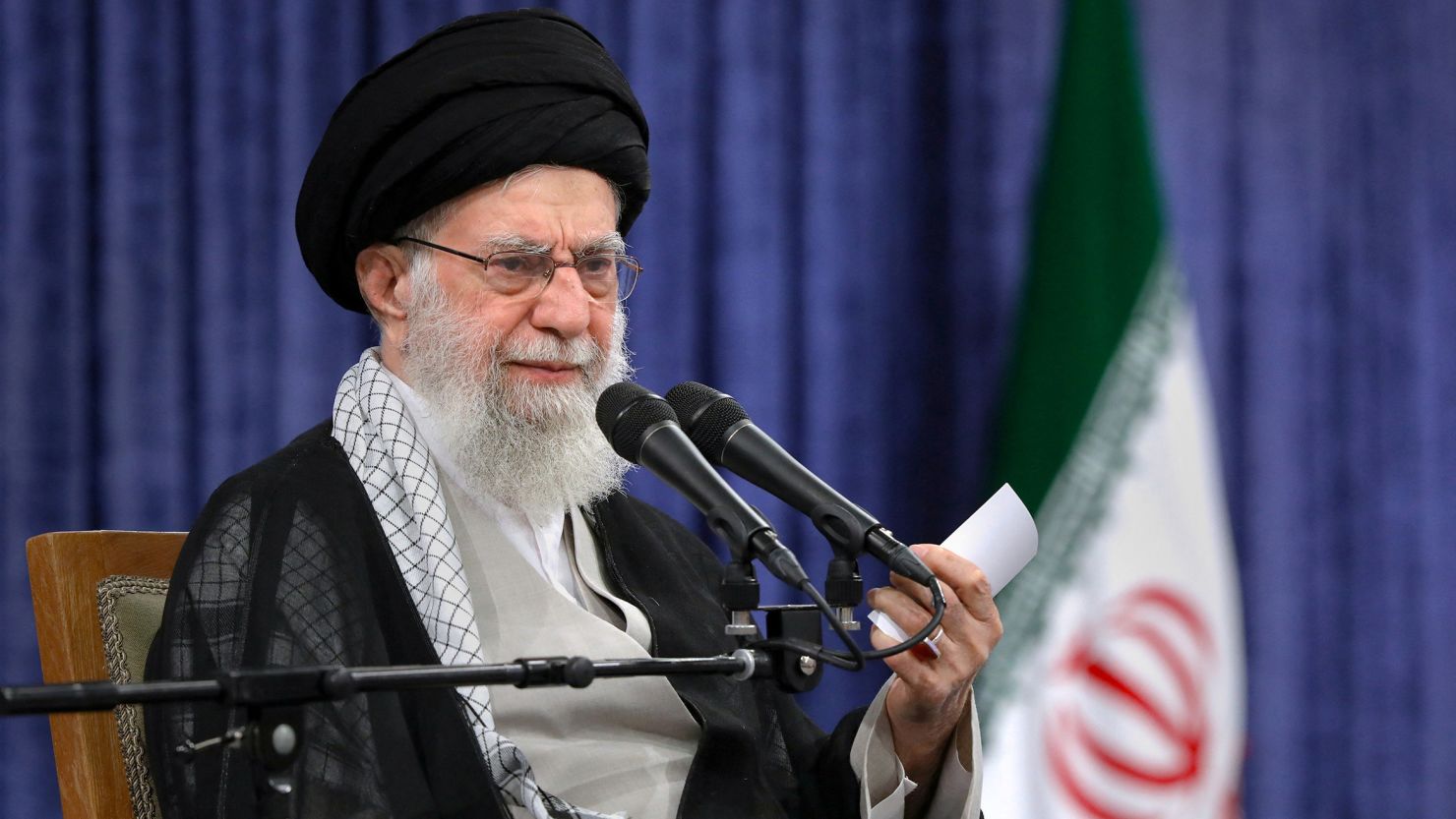
Iranian officials, however, have emphasized their right to advance nuclear technology for energy purposes, citing the 2015 accord’s provisions. A June 17 report by the International Crisis Group noted that “both sides are clinging to positions that reflect historical mistrust, with Iran resisting external oversight and the U.S. prioritizing non-proliferation over diplomatic flexibility.”
Sources of Tension
Regional security concerns further complicate negotiations. The U.S. has demanded assurances that Iran will cease supporting proxy groups in Yemen and Syria, while Iran has insisted on reciprocal concessions, including the lifting of sanctions on its oil sector. A June 15 analysis by Al Jazeera cited a U.S. diplomat stating, “Without addressing these security guarantees, the deal lacks credibility.”
For more on this story, see Trump’s Iran Nuclear Deal: Will 2026 Repeat Obama’s Risky Gambit?.
Iran’s foreign ministry, in a June 16 statement, accused the U.S. of “double standards,” pointing to American military exercises in the Persian Gulf as a barrier to trust. “The U.S. cannot demand compliance while maintaining a fleet of warships in the region,” the statement read.
What Comes Next
Negotiations are expected to resume in July, though both sides have signaled reluctance to compromise further. A June 17 report by the BBC quoted a U.S. congressional aide as saying, “The administration is under pressure to show progress, but substantive changes risk alienating allies in the region.”
Iran’s Supreme Leader Ali Khamenei has not publicly commented on the stalled talks, but a June 16 statement from his office reiterated demands for “unconditional relief from economic sanctions.” The U.S. has declined to meet this condition, citing Iran’s “persistent violations of international norms.”
The outcome of the next round will hinge on whether either side can reconcile its priorities. As of June 18, no official timeline for resuming talks has been announced.
Find more reporting in our News section.
