

The Silent Rise of Metabolic Dysfunction-Associated Steatotic Liver Disease (MASLD)
Global health projections indicate a staggering increase in liver disease, with estimates suggesting that up to 1.8 billion people could be affected by “fatty liver” by the year 2050. This trend is closely linked to the rising prevalence of obesity, diabetes, and hyperglycemia.
Commonly referred to as non-alcoholic fatty liver, Metabolic Dysfunction-Associated Steatotic Liver Disease (MASLD) is characterized by an excessive accumulation of fat within the liver cells. This condition is frequently associated with metabolic syndrome, which includes risk factors such as abdominal obesity, high cholesterol, hypertension, and type 2 diabetes. Because the disease is often “silent”—meaning it typically presents no symptoms in its early stages—many individuals remain unaware they have the condition until We see discovered during routine medical screenings.
Understanding the Causes and Risk Factors
While popular belief often links fatty liver primarily to alcohol, experts clarify that alcohol is not the leading cause of MASLD. Instead, obesity is the primary driver, as it promotes fat accumulation in various organs, including the liver. Research indicates that approximately 80% of individuals living with obesity develop this condition.
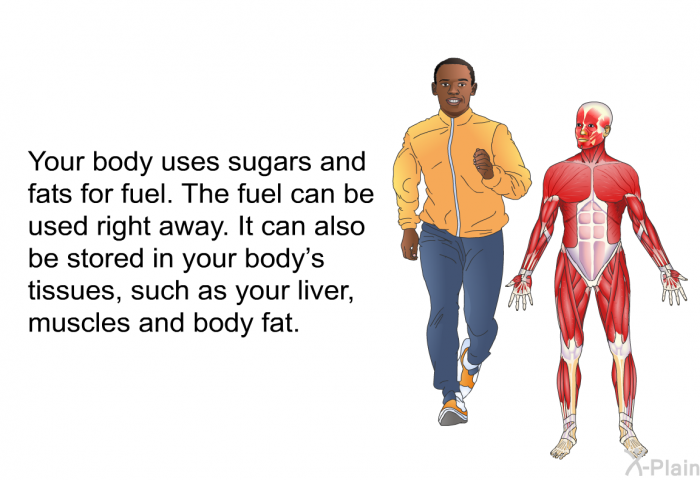
Other contributing factors include:
- Poor dietary habits, specifically an excess of sugars, and fats.
- A sedentary lifestyle and lack of physical activity.
- Medical conditions such as diabetes and high cholesterol.
- Pregnancy.
This connection between metabolic health and liver function underscores a critical public health challenge, as the rise in metabolic disorders directly fuels the growth of liver disease globally.
From Silent Accumulation to Severe Complications
In its early stages, MASLD may cause no symptoms or only mild fatigue and moderate abdominal pain. However, if left untreated, the accumulation of fat can disrupt liver function and lead to more severe clinical signs, including:
- Pain or discomfort in the upper right side of the abdomen.
- A swollen abdomen (bloating).
- Persistent fatigue and general malaise.
- Nausea, vomiting, or frequent headaches.
- Unexplained weight loss.
The progression of the disease is a significant medical concern. In approximately 25% of cases, the condition can evolve into steatohepatitis, where the liver becomes inflamed and develops fibrous scar tissue (fibrosis). If this process continues, it can lead to cirrhosis—an excessive amount of fibrosis—and potentially progress to liver cancer.
Diagnosis and Management
Because of its asymptomatic nature, early detection is vital. Diagnosis is typically achieved through blood tests or ultrasound imaging, particularly when a patient presents with known risk factors like obesity or diabetes.
Management of the disease generally requires the expertise of a gastroenterologist or hepatologist. Treatment strategies typically focus on:
- Implementing significant lifestyle changes.
- Adopting a tailored nutritional plan.
- Medical intervention through prescribed medications when necessary.
Early intervention and the adoption of liver-protective habits are essential to preventing the transition from simple fat accumulation to irreversible organ damage.
