
Federal Reserve Cuts Interest Rates to 3.9% Amid Economic Uncertainty
The Federal Reserve lowered its benchmark interest rate to approximately 3.9% today, marking the second rate cut this year as policymakers attempt to navigate a slowing economy and persistent inflation.
The decision comes as job gains have decelerated throughout 2025, with the unemployment rate rising slightly to 4.3% in August, according to Labor Department data released prior to the current government shutdown. This move aims to stimulate economic activity by reducing borrowing costs for consumers and businesses, potentially impacting areas like mortgages and auto loans. The central bank’s rate had peaked at roughly 5.3% in 2023 and 2024 while battling a significant surge in inflation.
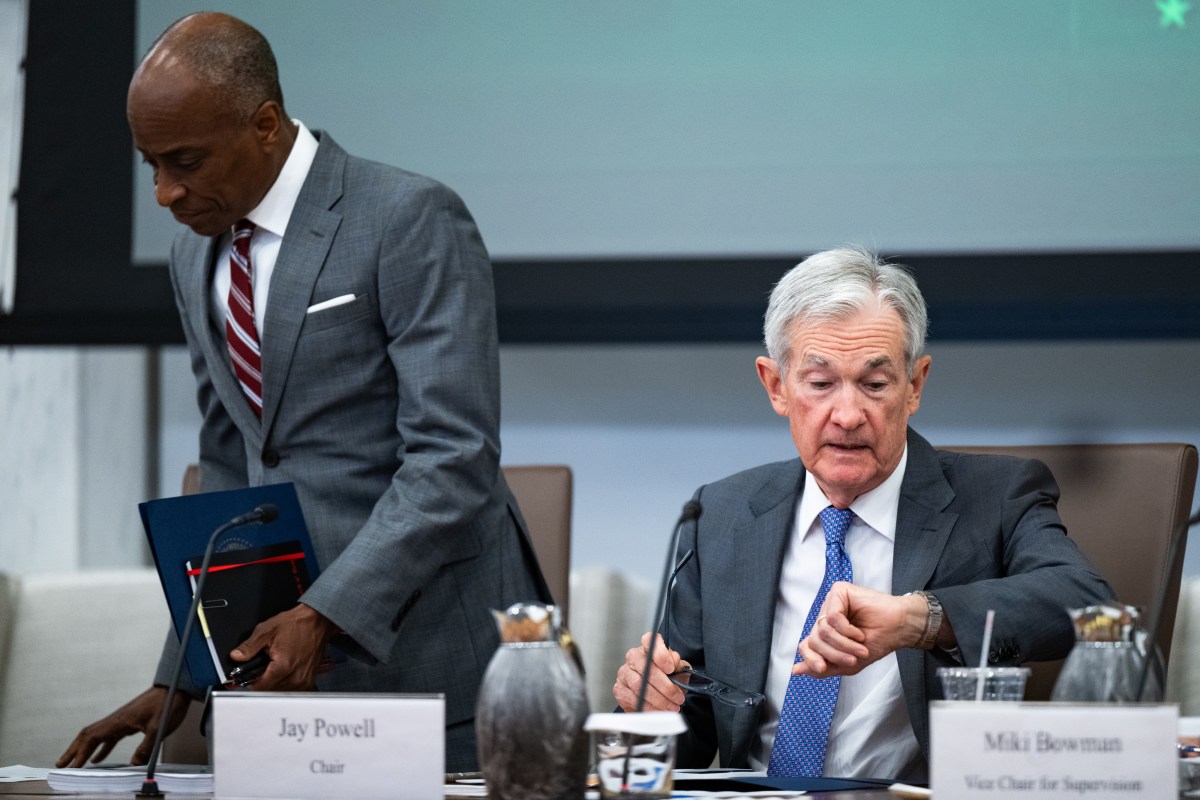
Federal Reserve Chair Jerome Powell acknowledged differing opinions within the committee, stating after the announcement that officials held “strongly differing views” on the possibility of further cuts when they meet in December. He added, “A further reduction in rates is not a foregone conclusion.” The Fed also announced it will halt the reduction of its $6.6 trillion balance sheet starting December 1, a reversal of pandemic-era policy tightening that could ease long-term borrowing costs; learn more about the Federal Reserve’s balance sheet on their official website. Two voting members dissented, with Governor Stephen Miran advocating for a larger half-point cut and Kansas City Fed President Jeffrey Schmid preferring to hold rates steady due to ongoing inflation concerns.
Financial markets reacted with slight declines following Powell’s remarks, despite initial expectations of a December rate cut. The decision is unfolding against a backdrop of political scrutiny, with President Trump renewing his criticism of Powell and the administration reportedly reviewing potential successors. The ongoing government shutdown is significantly hindering the Fed’s ability to assess the economic landscape, as key reports on employment, consumer spending, and inflation are delayed or suspended; this lack of data creates a challenging environment for informed policymaking, as explained in a recent Brookings Institution analysis.
Looking ahead, Powell indicated the Fed’s future actions “will depend on the totality of incoming information,” emphasizing the uncertainty surrounding the economic outlook.
