
Sudan Crisis Deepens as El-Fasher Falls, International Aid Struggles to Reach Those at Risk
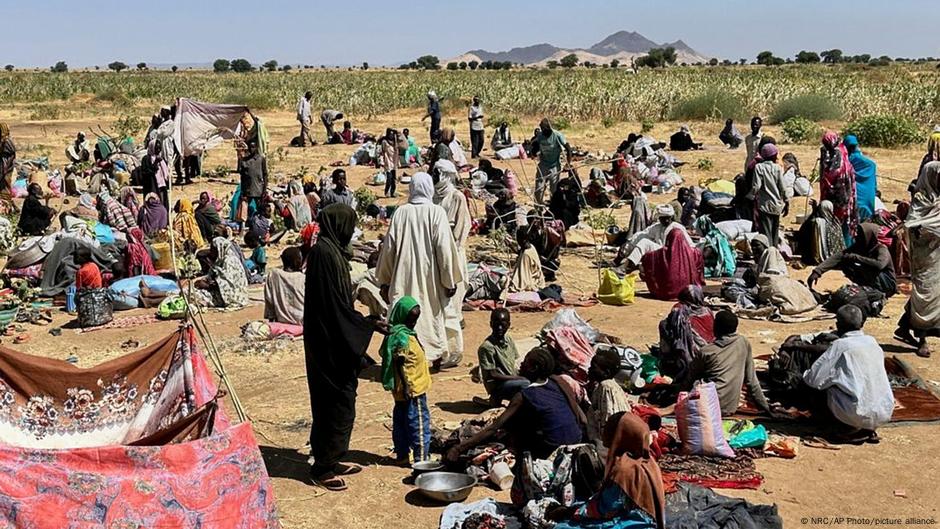
More than 65,000 people have fled the city of el-Fasher in Sudan’s Darfur region following its capture by the paramilitary Rapid Support Forces (RSF) on October 26, though tens of thousands more remain trapped and vulnerable amid escalating violence and a growing humanitarian crisis.
International officials are voicing alarm over the lack of global attention to the conflict, which began in 2023 between the Sudanese military and the RSF. German Foreign Minister Johann Wadephul described the situation in Sudan as “absolutely apocalyptic” yesterday at the Manama Dialogue in Bahrain. British Foreign Minister Yvette Cooper emphasized that “no amount of aid can resolve a crisis of this magnitude until the guns fall silent,” adding that the conflict is marked by “mass executions, starvation and the devastating use of rape as a weapon of war.”
Concerns are mounting over the fate of those who have fled el-Fasher, with Doctors Without Borders (MSF) reporting that only around 5,000 people have reached the relative safety of Tawila, a town 70 kilometers west of the city. MSF’s head of emergencies, Michel Olivier Lacharite, questioned the whereabouts of the remaining displaced, stating, “The most likely, albeit frightening, answer is that they are being killed, blocked and hunted down when trying to flee.” The United Nations has been monitoring the situation and attempting to coordinate aid delivery, but access remains severely limited. Accusations have also surfaced regarding external actors, with the United Arab Emirates accused of providing support to the RSF.
The World Health Organization has called for increased international action to prevent further atrocities, while Jordanian Foreign Minister Ayman Safadi stated that the civil war has not received adequate attention, resulting in a “humanitarian crisis of inhumane proportions.” This conflict threatens to destabilize the wider region and exacerbate existing humanitarian challenges in Africa. Officials say further diplomatic efforts are needed to secure a ceasefire and allow for the unimpeded delivery of aid.
