
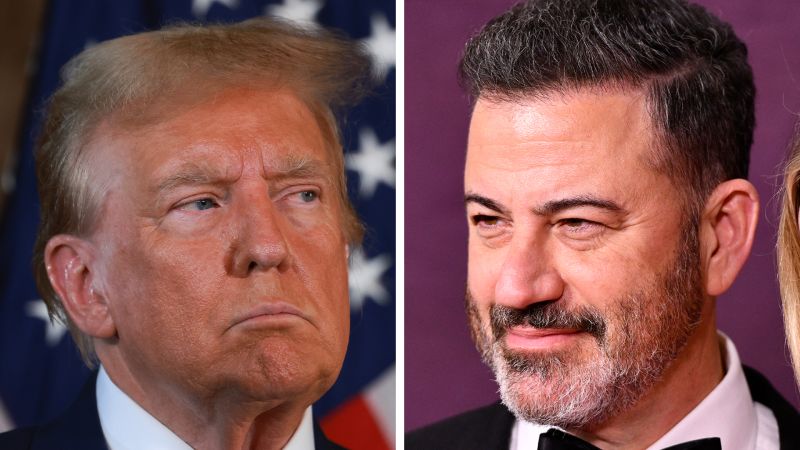
Late-night host Jimmy Kimmel is standing by a controversial joke about First Lady Melania Trump, refusing to apologize despite mounting pressure from the White House and calls for his firing from ABC. The escalating feud has reignited debates over free speech, political rhetoric, and corporate accountability in the entertainment industry—just days after a security scare at the White House Correspondents’ Dinner.
The dispute centers on a remark Kimmel made during a Jimmy Kimmel Live! segment on April 24, where he mocked the age difference between the former president and his wife. Describing Melania Trump’s appearance, Kimmel quipped, “You have a glow like an expectant widow.” The joke, delivered as part of a satirical White House Correspondents’ Dinner skit, drew immediate backlash from both Donald and Melania Trump.
In a statement posted on X (formerly Twitter) on April 27, Melania Trump condemned Kimmel’s comments as “hateful and violent rhetoric,” accusing the comedian of “atrocious behavior” and demanding ABC take action. “People like Kimmel shouldn’t have the opportunity to enter our homes each evening to spread hate,” she wrote. “A coward, Kimmel hides behind ABC because he knows the network will maintain running cover to protect him. Enough is enough. It is time for ABC to take a stand.”
Hours later, Donald Trump amplified the call for Kimmel’s dismissal in a post on Truth Social. “Jimmy Kimmel should be immediately fired by Disney and ABC,” he wrote, labeling the joke a “despicable call to violence.” The former president’s intervention marks the latest clash between conservative figures and late-night comedy, a recurring flashpoint in U.S. Political discourse.
Kimmel addressed the controversy during his April 28 monologue, doubling down on the joke while dismissing accusations of incitement. “You know how sometimes you wake up in the morning and the first lady puts out a statement demanding you be fired from your job? We’ve all been there, right?” he joked. He clarified that the remark was a reference to the couple’s age gap—Donald Trump is 79, while Melania Trump is 56—and not, as critics alleged, a veiled threat. “It was not—by any stretch of the definition—a call to assassination,” Kimmel said. “And they know that.”
The timing of the backlash has drawn particular scrutiny, as Kimmel’s joke aired three days before an attempted breach of security at the White House Correspondents’ Dinner on April 27. While no shots were fired and no injuries were reported, the incident led to the evacuation of attendees, including members of the Trump family. Authorities have not suggested any connection between the joke and the security scare, but the proximity of the two events has intensified the debate over inflammatory rhetoric in public discourse.
ABC and Disney, Kimmel’s employers, have not publicly responded to the Trumps’ demands. The silence from the network underscores the delicate balance media companies face when navigating political pressure, particularly from high-profile figures like the former president. The situation also highlights the broader cultural divide over satire’s role in politics, with critics arguing that late-night comedy has grown increasingly partisan, while defenders maintain it serves as a necessary check on power.
George Clooney, a longtime friend of Kimmel, waded into the fray on April 28, defending the comedian in a statement to media outlets. “Jimmy’s job is to produce people laugh, not to incite violence,” Clooney said. “If we start firing comedians for jokes that offend powerful people, we’re all in trouble.” The actor’s intervention reflects the entertainment industry’s unease over the growing influence of political figures in shaping media narratives.
For now, Kimmel remains on the air, but the controversy shows no signs of fading. The dispute arrives at a moment of heightened sensitivity around political rhetoric in the U.S., where debates over free speech, media responsibility, and the boundaries of satire have become increasingly polarized. As the 2026 midterm elections loom, the fallout from this clash could set a precedent for how media companies handle pressure from political figures—raising questions about who gets to decide what crosses the line.
The standoff also reflects broader global tensions over media freedom and corporate influence. In an era where entertainment and politics increasingly intersect, the Kimmel-Trump feud serves as a case study in how satire, power, and public perception collide—with implications far beyond late-night television.
