
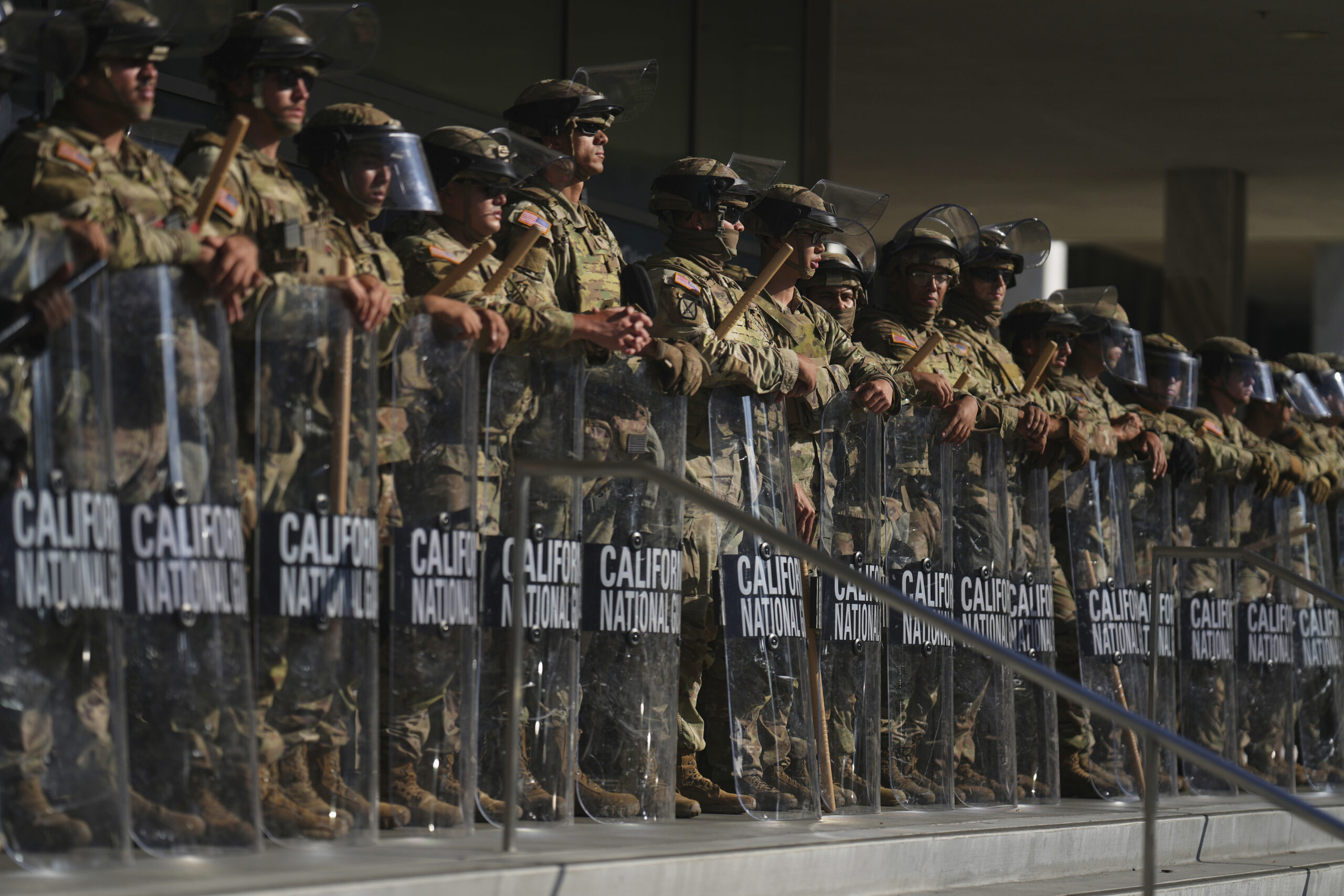
Are you concerned about the increasing visibility of soldiers on American streets? this article examines the expanding role of the military in domestic affairs, exploring recent deployments, legal justifications, and the potential implications for civil liberties [2]. We’ll delve into the shifting landscape, offering insights to help you understand this evolving issue and its impact on your rights.
The Expanding Role of the Military in Domestic Affairs: A Look Ahead
Table of Contents
Recent events have brought the role of the military in domestic affairs into sharp focus. The deployment of the National Guard, the interpretation of existing laws, and the potential for overreach are all critical issues. This article delves into the potential future trends related to these themes, offering insights and analysis for a better understanding of the evolving landscape.
One of the most important trends is the increasing willingness to utilize military resources within the United states. This includes the deployment of the National Guard for purposes beyond traditional disaster relief or civil unrest.The legal basis for such actions, often citing statutes like 10 U.S.C.12406, is being tested and reinterpreted. This statute, originally intended for use during foreign invasion or rebellion, is now being applied to situations involving protests and civil disobedience. This reinterpretation raises serious questions about the balance of power and the potential for abuse.
Did you know? The Posse Comitatus Act generally prohibits the use of the U.S.military for domestic law enforcement purposes. Though, there are exceptions, and the interpretation of these exceptions is a key area of debate.
Blurring Lines: Military and civilian Roles
Another concerning trend is the blurring of lines between military and civilian authority.The use of military personnel to support civilian law enforcement, such as accompanying ICE officials on raids, raises questions about the militarization of domestic affairs. This can lead to a chilling effect on civil liberties and create an surroundings of fear and distrust. the use of the “protective power” theory, which allows the military to protect federal personnel and property, further complicates this issue.
Pro Tip: Stay informed about the specific legal justifications being used for military deployments. Understanding the legal framework is crucial for evaluating the legitimacy of these actions.
The Potential for Escalation and Overreach
Experts warn that the current trends could lead to an escalation of military involvement in domestic affairs. The use of the military in response to protests or civil unrest could, in turn, provoke further unrest, creating a cycle of escalation. This could possibly lead to the invocation of the Insurrection Act,a powerful tool that suspends the Posse Comitatus Act and grants the president broad authority to deploy the military within the United States. The potential for overreach is significant, and it is essential to monitor these developments closely.
Case Study: The Los Angeles Deployment
The recent deployment of the National Guard to los Angeles provides a real-world example of these trends. The stated purpose of the deployment, the legal justifications cited, and the reactions of state and local officials all offer valuable insights into the challenges and complexities of this issue. The legal challenges to this deployment, as well as the public’s response, will shape the future of military involvement in domestic affairs.
The Future of Civil liberties
The trends discussed above have significant implications for civil liberties. The increased presence of the military in domestic affairs, the potential for overreach, and the blurring of lines between military and civilian authority all pose risks to fundamental rights. It is crucial to remain vigilant and to advocate for policies that protect civil liberties while ensuring public safety.
FAQ: Frequently Asked Questions
- What is the Posse Comitatus Act? A federal law that generally prohibits the use of the U.S. military for domestic law enforcement purposes.
- What is the Insurrection Act? A federal law that allows the President to deploy the military within the United States to suppress civil disorder or rebellion.
- What is “protective power”? A theory of executive authority that allows the President to use troops to protect federal personnel, property, and functions.
The evolving role of the military in domestic affairs is a complex and multifaceted issue. By staying informed, understanding the legal frameworks, and advocating for the protection of civil liberties, we can help shape a future where the military’s role is clearly defined and limited, and where the rights of all citizens are protected.
Want to stay informed about these critical issues? Subscribe to our newsletter for updates and analysis. Share your thoughts in the comments below!
