
The Absurd Drama of Bucharest: A City Left in the Cold
Bucharest is currently the stage for a real-life theater of the absurd, as a systemic failure in the city’s heating infrastructure has left hundreds of thousands of residents without basic amenities. What should be a routine municipal service has devolved into a chaotic narrative of bureaucratic finger-pointing and crumbling infrastructure, mirroring a dystopian script.
The scale of the crisis is staggering. As of May 12, 2026, reports indicate that approximately one-third of Bucharest’s apartment dwellers are without hot water. The situation has reached a tipping point, with some estimates placing the number of affected residential blocks at 2,600. While the “breakdown map” for the city is flashing red, the impact is felt most acutely in Sectors 4 and 5, where over 2,000 blocks are struggling with the outage.
At the heart of this urban tragedy is a dysfunctional partnership between two corporate entities that reportedly cannot communicate. The city’s thermal agent—described as a “luxury product delivered at a breakdown price”—is managed by two separate masters: ELCEN (CET), the entity responsible for boiling the water in massive boilers, and Termoenergetica (CMTEB), which handles the distribution through the city’s aging, “leaky” pipe network.
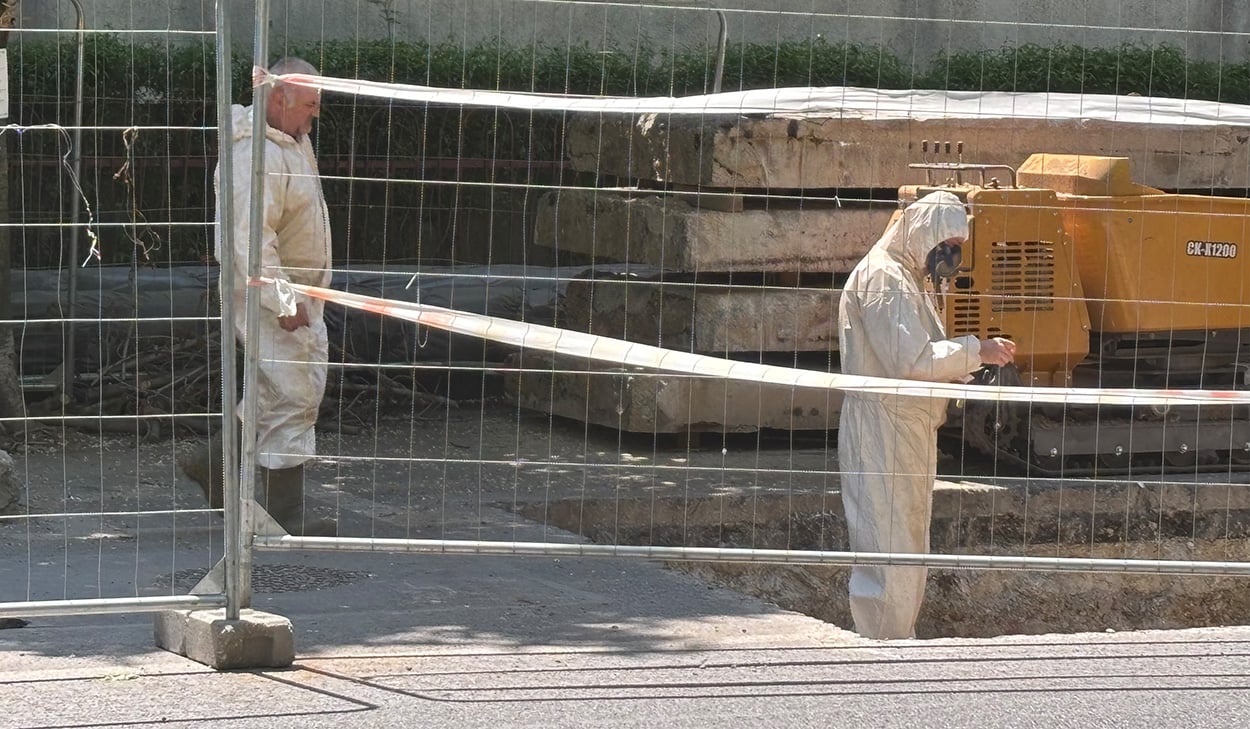
The physical reality of this failure is best captured in the repair pits, where workers operate at depths of over three meters. The scene is described as a sensory nightmare: steam dancing wildly in an atmosphere saturated with 90°C vapors and the smell of “technological putrefaction.” For the workers on the ground, This represents not a new story, but rather a “piece of absurd theater” that has been playing out for thirty to forty years.
Adding to the tension is a lack of transparency from the authorities. In a move that suggests a desire to keep the extent of the decay hidden, ELCEN reportedly refused a journalist entry into the CET București facility. While promises were initially made to allow a look at the “Inferno” where water is boiled for hundreds of thousands of citizens, the company abruptly went silent, citing national security concerns just as the frequency of breakdowns spiked.
For the residents, the lack of hot water has turned daily hygiene into a struggle, with some forced to heat water on stoves just to wash. The disparity in service has also sparked outrage, with some residents questioning why certain areas, such as Măgurele, continue to receive hot water while the rest of the capital suffers. This infrastructure collapse highlights a growing tension between the city’s needs and the systemic failure of the agencies tasked with maintaining them.
